In 2025, the dexis sensor stands out as a trusted leader in dental imaging, helping clinicians achieve both speed and precision with every scan.
This guide is designed to equip dental professionals with everything they need to know about the dexis sensor. From the latest technology updates to expert-backed best practices, you will gain the knowledge needed to make confident choices for your practice.
Explore core sensor features, discover 2025 advancements, learn how to streamline your workflow, and get the facts on maintenance, ROI, and future trends. Let’s unlock smarter dental imaging together.
Understanding Dexis Sensors: Core Features and Functionality
The dexis sensor remains a leading choice for dental imaging, thanks to its advanced design and reliable performance. Understanding what sets it apart starts with a look at its core features and how each part contributes to a seamless imaging experience.
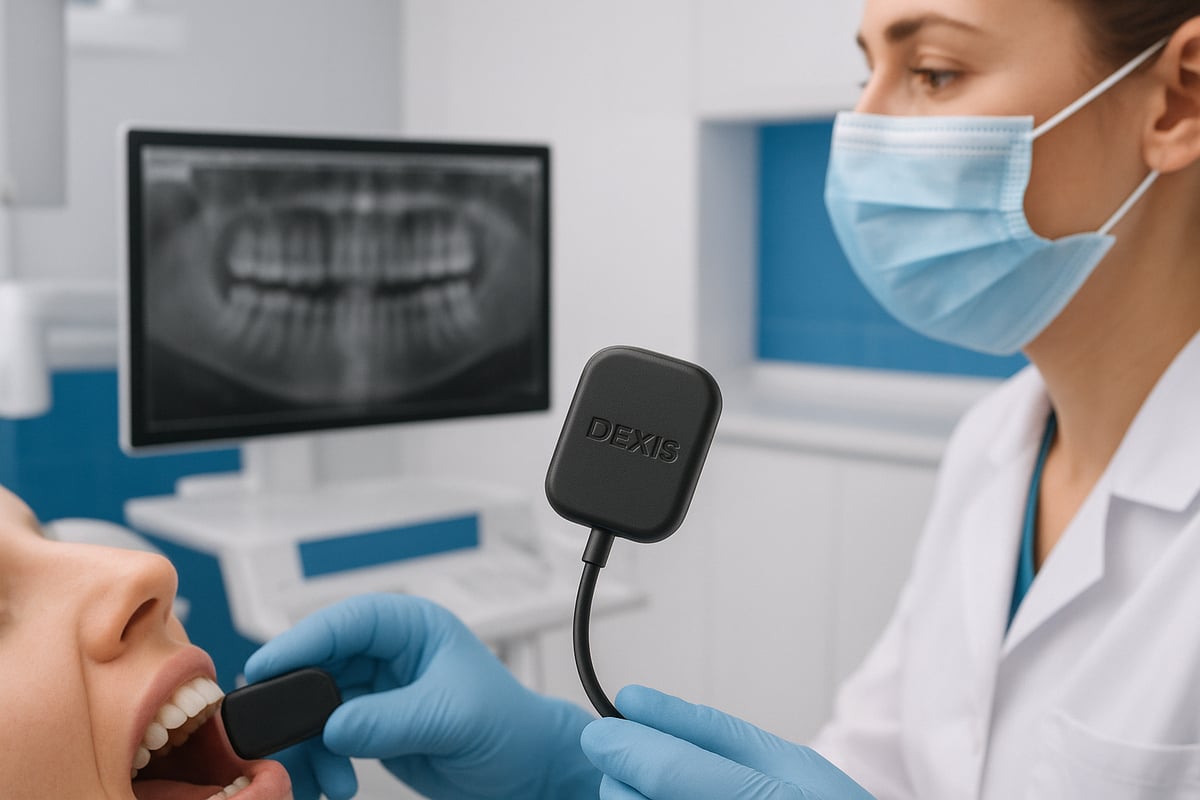
Key Components of Dexis Sensors
At the heart of every dexis sensor is robust hardware designed for daily clinical use. The sensor’s compact size allows easy placement even in smaller mouths, while rounded edges and flexible cables maximize patient comfort. Durability is a top priority, with many models featuring water and dust resistance ratings like IP67.
One standout feature is the use of CMOS technology instead of CCD. CMOS sensors in the dexis sensor offer superior image quality, faster readout speeds, and lower power consumption, making them ideal for busy practices. Here’s a quick comparison:
| Feature | CMOS (Dexis) | CCD |
|---|---|---|
| Image Quality | High, low noise | Good, more noise |
| Power Use | Low | Higher |
| Durability | High | Moderate |
Image clarity is another strength. The dexis sensor often delivers high resolution with fine pixel size and balanced contrast, supporting accurate diagnoses. USB connectivity allows plug-and-play operation on most computers, reducing setup time.
Compatibility is broad, supporting major imaging suites and practice management platforms. For a deeper dive into how these sensors integrate with dental software, see the Dental Software Integration Guide.
How Dexis Sensors Work in Dental Imaging
The dexis sensor streamlines the entire intraoral imaging process. It begins with positioning the sensor inside the patient’s mouth, using specific techniques for bitewing or periapical images. The sensor’s ergonomic design helps ensure comfort and precise placement.
Once in position, the dexis sensor captures images in real time. Dentists can review results instantly, allowing for immediate retakes if needed. This real-time feedback supports higher quality imaging and reduces patient chair time.
Integration with practice management systems is seamless, making it easy to import images into patient records. The dexis sensor also supports secure data handling, with built-in encryption and features to help dental offices maintain HIPAA compliance. This focus on security ensures patient information remains protected at every step.
Advantages Over Traditional X-Ray Film and Competing Sensors
Choosing a dexis sensor over traditional film offers significant benefits. First, it reduces radiation exposure for patients by requiring less energy to capture clear images. This boost in safety is a key reason many practices have made the switch.
Workflow speed is another major advantage. The dexis sensor provides instant results, meaning no more waiting for film development. Enhanced diagnostic tools, such as image enhancement and measurement features, help dentists spot issues earlier and with greater confidence.
Cost savings are clear over time. Without ongoing film and chemical expenses, and thanks to fewer retakes, the dexis sensor can pay for itself. Studies show improved diagnosis rates and patient outcomes when advanced sensors are used, making this technology a smart investment for any modern dental office.
What’s New for Dexis Sensors in 2025?
2025 is shaping up to be an exciting year for dental imaging. The dexis sensor, already a leader in digital radiography, is unveiling a suite of next-level upgrades that promise to elevate clinical workflows. Let’s break down the most important innovations and trends you need to know.
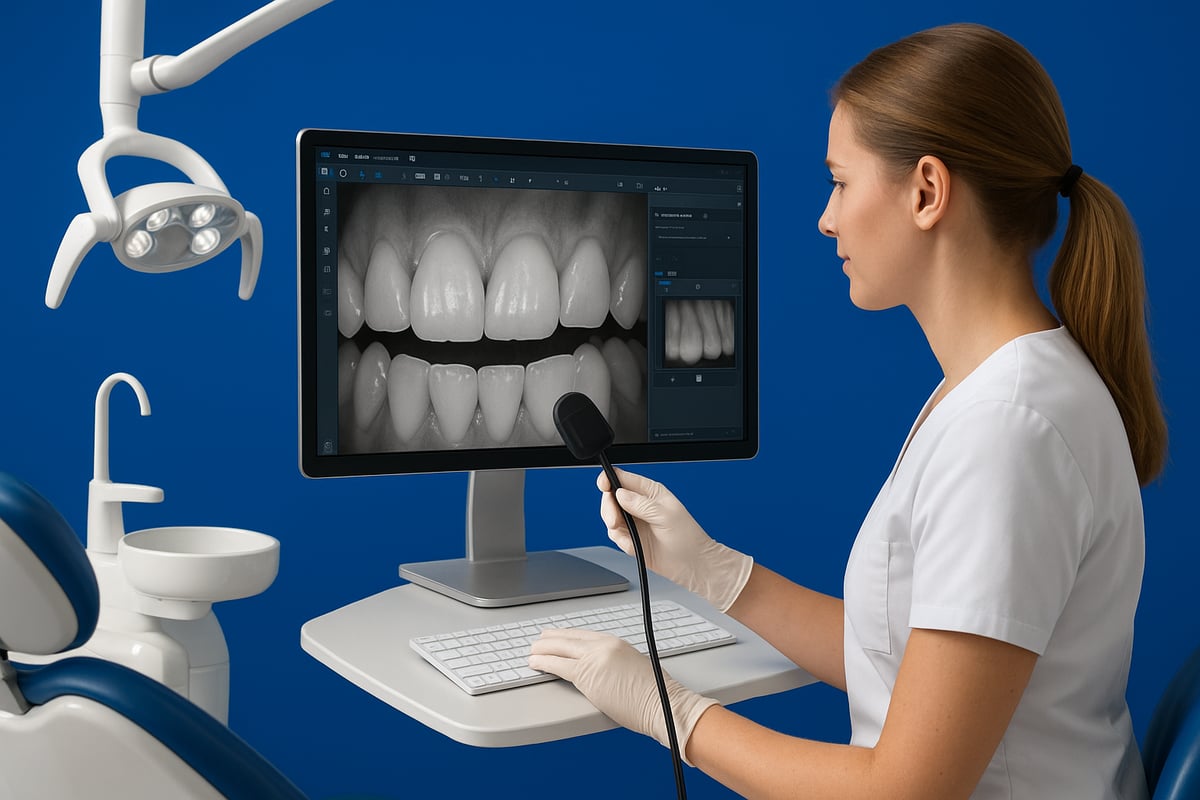
Hardware and Software Innovations
In 2025, the dexis sensor lineup introduces significant enhancements in both hardware and software. The latest models now use advanced materials that improve durability without sacrificing image quality. Cable reinforcements and optional wireless configurations are becoming more common, addressing long-standing concerns about wear and tear.
Image resolution continues to improve, with new pixel arrays and contrast algorithms yielding sharper, more diagnostic images. Smart calibration features ensure every scan is consistent, reducing the need for retakes. Expanded sensor sizes are available, making it easier to image both pediatric and adult patients with a single system.
Software is also seeing a leap forward. Enhanced image processing, powered by AI, now assists with real-time diagnostics and workflow automation. For a full overview of these advancements, see the DEXIS 2025 Innovations.
Integration with Modern Dental Software Ecosystems
Seamless integration is a top priority for the dexis sensor this year. The latest models sync effortlessly with cloud-based dental platforms, allowing instant access to images from any operatory. This compatibility extends to leading imaging suites and practice management tools, so your team can work with existing systems, minimizing disruption.
Support for teledentistry is expanding, making it easier to conduct remote consultations using high-quality digital images. The dexis sensor now supports secure sharing features, streamlining collaboration between specialists and general practitioners. This integration ultimately enhances patient care by keeping records organized and accessible.
User Experience and Workflow Improvements
The 2025 dexis sensor is designed for ease of use and efficiency. Setup and onboarding have been streamlined, allowing new staff to become proficient quickly. Touchless operation options are now available, supporting better infection control and reducing cross-contamination risks.
Automated maintenance alerts and firmware updates help keep devices running smoothly with minimal manual intervention. The dexis sensor’s patient comfort features, like rounded edges and flexible cables, have been further refined, making the imaging experience more pleasant for every patient.
Data and Security Enhancements
With the rise of digital health records, data security is more important than ever. The dexis sensor now uses advanced encryption for both storage and transfer of patient images. Multi-location access means practices with multiple offices can securely share and access images as needed.
HIPAA compliance is built into every step of the workflow, with automated audit trails and strict user authentication protocols. The dexis sensor also offers secure cloud backup options, ensuring that valuable diagnostic data is always protected and recoverable.
Market Data and Adoption Trends
Adoption of the dexis sensor in U.S. dental practices continues to climb in 2025. Recent surveys show the majority of new digital imaging purchases favor Dexis, with user satisfaction scores at all-time highs. Practices report improved diagnostic confidence, faster appointment turnaround, and increased patient satisfaction since making the switch.
Statistics reflect a growing preference for digital over film, with cost savings and workflow efficiency cited as key factors. The dexis sensor’s ongoing innovation and reliable customer support make it a trusted choice for practices aiming to stay ahead in the digital age.
Step-by-Step Guide: Using Dexis Sensors for Optimal Results
Unlocking the full potential of your dexis sensor starts with a thoughtful, step-by-step approach. Each phase, from preparation to integration, ensures you capture the clearest images and maintain compliance, while giving patients a comfortable experience.
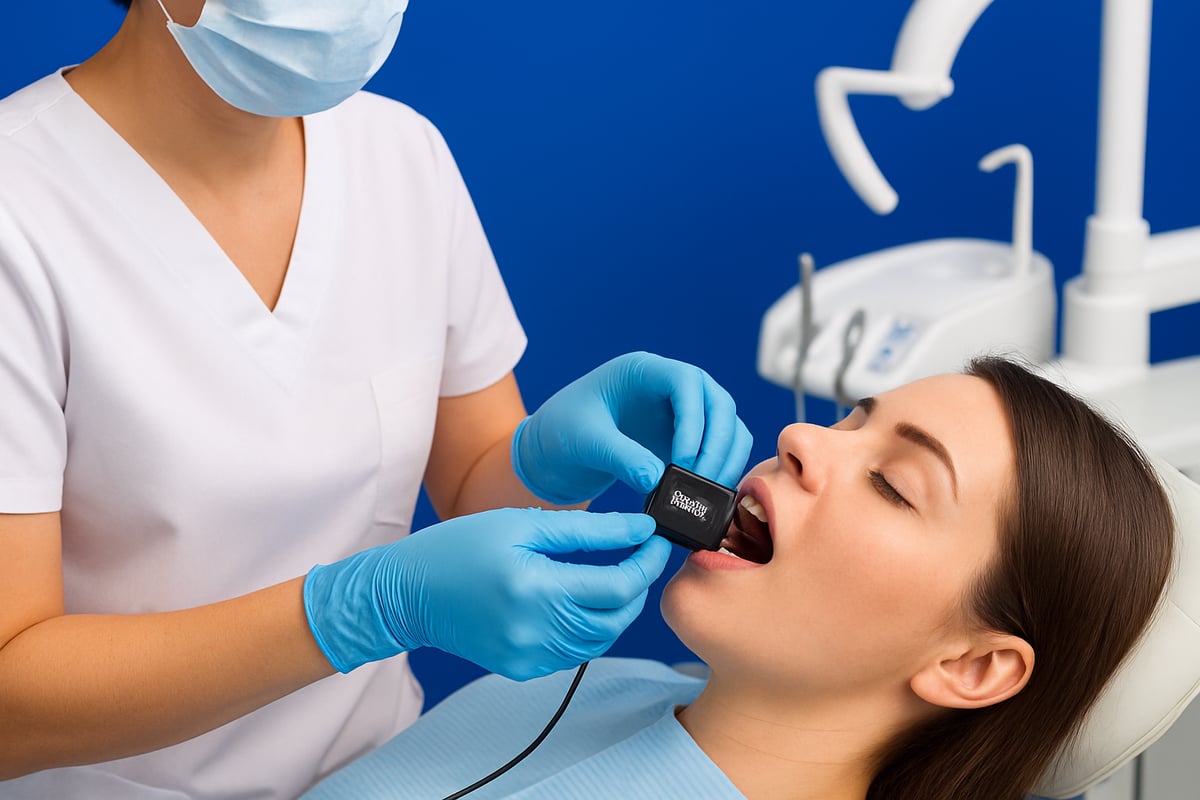
Preparing for Imaging
Start each session by carefully inspecting your dexis sensor for any visible wear or debris. Gently clean the sensor using manufacturer-approved wipes, avoiding harsh chemicals that could damage sensitive surfaces.
Before positioning the dexis sensor, select the proper size and ensure all cables are untangled. Communicate with your patient, explaining the imaging process to foster cooperation and reduce anxiety. Place the sensor gently in the patient’s mouth, using positioning aids if needed, and confirm that rounded edges are aligned for comfort.
- Inspect and clean the sensor before every use.
- Choose the correct sensor size for the patient.
- Explain the procedure and position the sensor with care.
This preparation not only protects your equipment but also sets the stage for high-quality imaging and a positive patient experience.
Capturing High-Quality Images
With the dexis sensor in place, adjust the x-ray unit’s exposure settings based on the patient’s anatomy and image type. Use real-time preview features to immediately assess image clarity.
If images appear blurry or show artifacts, reposition the sensor or adjust angulation. The dexis sensor’s instant feedback allows for quick retakes, minimizing patient discomfort and ensuring diagnostic accuracy.
- Set exposure parameters before capturing.
- Review images instantly for clarity and detail.
- Troubleshoot common issues such as artifacts or positioning errors.
By leveraging these capabilities, you can deliver sharp, diagnostic images efficiently.
Integrating Images into Patient Records
After capturing, import images directly into your dental software or EHR. The dexis sensor streamlines this process, often allowing for one-click transfers that save valuable time. Use annotation tools to highlight findings or compare images over multiple visits.
For a deeper look at charting and integration, check out this Dental Charting Programs Overview, which explains how sensor images fit into digital records.
- Import and organize images within patient charts.
- Use annotation features for better case tracking.
- Compare images chronologically to monitor progress.
Efficient integration ensures every image becomes a valuable part of the patient’s dental history.
Ensuring Compliance and Data Security
Protect patient data by following strict storage and backup protocols. The dexis sensor supports encrypted image storage, which helps maintain HIPAA compliance.
Regularly back up all digital files to secure, redundant locations. Review your practice’s digital imaging compliance checklist, including access controls and audit trails, to safeguard patient privacy.
- Store images in encrypted, secure databases.
- Back up data regularly to prevent loss.
- Follow HIPAA guidelines for digital imaging.
Staying compliant not only protects your practice but also builds patient trust.
Chronological Steps Summary
Here’s a quick checklist for optimal dexis sensor usage from start to finish:
| Step | Action |
|---|---|
| 1. Preparation | Inspect, clean, and position sensor |
| 2. Image Capture | Adjust exposure, capture, review |
| 3. Troubleshooting | Retake images if necessary |
| 4. Integration | Import, annotate, and compare |
| 5. Compliance | Secure storage and routine backups |
Following these steps ensures your dexis sensor delivers consistent, high-quality results in every patient encounter.
Maintenance, Troubleshooting, and Longevity of Dexis Sensors
Proper care and proactive troubleshooting routines are essential for getting the best performance and longevity from your dexis sensor. By following clear maintenance protocols and training your team, you can ensure consistent imaging quality and avoid unnecessary downtime.
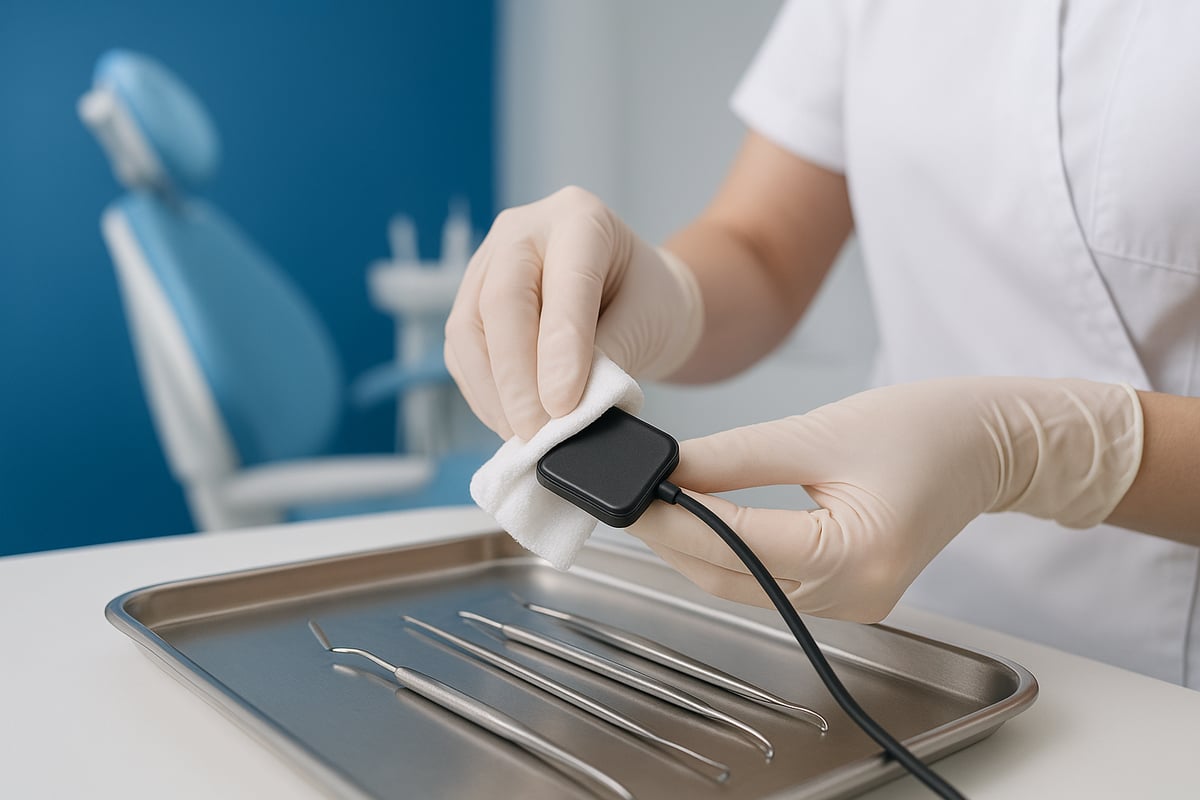
Daily and Weekly Maintenance Protocols
Routine maintenance is the backbone of reliable dexis sensor operation. Each day, start by inspecting the sensor for visible debris, cracks, or cable wear. Clean the sensor with approved disinfectants and a lint-free cloth, taking care to avoid harsh chemicals or immersion in liquid. This step prevents buildup that can affect image quality.
Weekly, check the cable and connector for any signs of fraying or loose pins. Store the dexis sensor in a protective case when not in use, away from direct sunlight or high temperatures. For detailed instructions, consult the DEXIS Sensor Care Guidelines, which outline best practices for cleaning and handling.
A simple maintenance checklist:
- Inspect sensor surface and cable for damage
- Clean with approved solutions after every patient
- Store in a dry, padded case
- Check connectors weekly for wear
Consistent maintenance not only extends the life of your dexis sensor but also helps maintain optimal imaging performance.
Troubleshooting Common Issues
Even with excellent care, occasional issues can arise with your dexis sensor. If image quality drops, first check for debris on the sensor or improper cable connections. Artifacts or distortion often result from incorrect positioning or cable strain.
Connectivity problems can usually be resolved by reconnecting the sensor or restarting the imaging software. If problems persist, inspect the USB port and cable for damage. Occasionally, software errors may require a firmware update or reinstallation of drivers.
Regular calibration is important for consistent results. If your dexis sensor images appear unusually dark, light, or blurry, recalibrate according to manufacturer instructions. Document all troubleshooting steps to streamline communication with support if needed.
Quick troubleshooting tips:
- Reconnect sensor and restart software
- Inspect and clean sensor and cable
- Recalibrate if image quality is inconsistent
Maximizing Sensor Lifespan
To make the most of your dexis sensor investment, handle it with care at all times. Always hold the sensor by its body, not the cable, and avoid bending or twisting the cable sharply. Follow manufacturer guidelines for cleaning and storage to prevent accidental damage.
Most dexis sensors are designed to last several years under normal use. Check your warranty coverage for specifics on repairs, replacements, and accidental damage. If a sensor begins to fail after years of use, compare the cost of repair versus replacement. Often, investing in a new sensor provides updated features and greater reliability.
Table: Handling Tips for Longevity
| Best Practice | Benefit |
|---|---|
| Store in padded case | Prevents physical damage |
| Avoid cable stress | Reduces risk of shorts |
| Clean with soft cloth | Maintains clear images |
By adopting these habits, you can extend the service life of your dexis sensor and protect your practice’s imaging investment.
Staff Training and Best Practices
Staff training ensures every team member can operate and care for the dexis sensor confidently. Start new hires with hands-on onboarding, covering sensor handling, cleaning, and troubleshooting basics. Use visual aids and manufacturer videos to reinforce best practices.
Encourage ongoing learning by sharing updates on new features or maintenance protocols. Keep a quick-reference guide near the imaging station for daily use. Regularly review maintenance routines in team meetings to promote accountability.
A well-trained team not only prevents sensor damage but also guarantees consistent, high-quality images for every patient.
Dexis Sensor ROI: Cost, Value, and Practice Impact
Understanding the financial impact of a dexis sensor is essential for any dental practice looking to upgrade its imaging technology. In 2025, upfront costs for a dexis sensor typically range from $5,000 to $9,000 per unit, depending on the model and included accessories. Ongoing expenses may include software licensing fees, which can vary between $500 and $1,500 annually, as well as potential support and maintenance costs. These investments are offset by the significant reduction in film, processing chemicals, and physical storage, making the transition to digital imaging more affordable over time.
Value Proposition for Dental Practices
The value of the dexis sensor extends beyond cost savings. Practices experience notable time savings per patient, as images are captured and displayed instantly, eliminating film development delays. This efficiency can lead to increased appointment throughput and better patient satisfaction.
Key benefits include:
- Improved diagnostic accuracy with high-resolution imaging and software tools
- Enhanced patient trust through advanced technology
- Marketing advantages by promoting digital imaging services
The DEXIS Ti2 Sensor Launch highlights recent advancements that further boost clinical value, including AI integration and greater durability, making the dexis sensor a future-proof investment.
Calculating ROI
Calculating the return on investment for a dexis sensor involves comparing the long-term savings and revenue gains against upfront and ongoing costs. For example, a practice that previously spent $2,000 annually on film and processing can eliminate these expenses completely. With improved workflow, a practice may see 10% more patients per day, directly increasing revenue.
| Cost Comparison | Film X-ray | Dexis Sensor |
|---|---|---|
| Annual Supplies | $2,000 | $500 |
| Image Processing | $1,200 | $0 |
| Storage | $300 | $0 |
| Maintenance/Support | $0 | $1,000 |
A case study from 2024 showed practices adopting the dexis sensor improved diagnostic rates and patient retention, leading to a positive ROI within two years.
Financial Incentives and Warranty Options
To help with the initial investment, many vendors offer financing or leasing plans for the dexis sensor, which can spread costs over manageable monthly payments. Manufacturer warranties in 2025 typically cover defects and service for up to five years, providing added peace of mind.
When evaluating options, consider available incentives, such as trade-in programs or bundled software deals, to maximize value. With proper care and regular updates, a dexis sensor delivers lasting benefits and supports growth in any dental practice.
The Future of Dental Imaging: Trends Beyond 2025
As we look ahead, the dexis sensor is poised to lead a new era of dental imaging. The next wave of innovation will transform daily workflows, boost diagnostic confidence, and simplify compliance for dental teams. What trends should you watch to future-proof your practice?
Emerging Technologies in Intraoral Sensors
The dexis sensor is evolving rapidly as new technologies emerge. AI-powered diagnostics are at the forefront, enabling real-time detection of caries, bone loss, and subtle changes that might be missed by the human eye.
Wireless sensor technology is also advancing, reducing clutter and improving patient comfort. Longer battery life and robust data transfer protocols are making these innovations practical for busy dental offices.
Expect sensor materials to become even more durable, with better water and dust resistance. These upgrades mean the dexis sensor will continue to deliver reliable performance in diverse clinical environments.
Integration with Artificial Intelligence and Cloud
The integration of the dexis sensor with cloud platforms and artificial intelligence is revolutionizing dental imaging. Predictive analytics can now flag early signs of disease, helping dentists make proactive treatment decisions.
Cloud storage allows practices to access images securely from any location, supporting multi-site operations and remote consultations. To explore more about how AI is transforming dental imaging, visit Imaging and Clinical AI Tools for in-depth information.
With these tools, the dexis sensor becomes not just a capture device but a smart assistant, streamlining both diagnostics and record-keeping.
Regulatory and Compliance Changes
Digital imaging regulations are constantly evolving. In 2025 and beyond, dental practices must ensure their dexis sensor setups meet the latest data privacy and cybersecurity standards.
Expect more stringent protocols for data encryption, user authentication, and audit trails. Staying compliant protects both your patients and your reputation.
Regular software updates and staff training are essential to keep your dexis sensor system secure and up to date with changing laws.
Preparing Your Practice for the Next Generation of Imaging
To stay competitive, your practice should embrace ongoing education and maintain strong vendor relationships. Training staff to use the dexis sensor efficiently ensures you maximize every feature.
Consider proactive service platforms, like those introduced in recent years, that monitor device health and uptime. These partnerships help you avoid costly downtime and prepare for future upgrades.
By keeping your team informed and your technology current, your practice will be ready to leverage every new advancement in dexis sensor technology.
Frequently Asked Questions About Dexis Sensors
Are different dexis sensor sizes available, and how do I choose the right one?
Dexis sensor models come in multiple sizes to suit both adult and pediatric patients. Choose based on the patient's age, dental arch size, and the specific intraoral view required. Many practices keep more than one size on hand for flexibility.
How does the dexis sensor compare to other leading brands in 2025?
The dexis sensor stands out for its ergonomic design, high image resolution, and robust water resistance. Compared to other brands, it often receives high marks for ease of use and seamless workflow integration. Consider reviewing side-by-side specifications to find the best fit for your practice.
Are dexis sensors compatible with my current dental software?
Dexis sensors are compatible with most major dental imaging platforms and are designed for smooth integration with practice management systems. If your office uses teledentistry or remote consults, see how dexis sensors support these workflows in Teledentistry and Remote Consults.
What is the typical warranty period for a dexis sensor, and what does it cover?
Most dexis sensor models come with a standard manufacturer warranty, generally covering defects and hardware issues for several years. Always review the warranty details for your specific model and consider extended coverage for added peace of mind.
How often should dexis sensors be replaced or upgraded?
With proper care, a dexis sensor can last several years. Replacement or upgrade timing depends on daily usage, maintenance routines, and evolving technology. Many practices review sensor performance annually to decide when to update.
Can the dexis sensor be used for pediatric patients?
Yes, the dexis sensor is available in smaller sizes to ensure patient comfort and accurate imaging for children. Rounded edges and flexible cables help minimize discomfort during pediatric imaging procedures.
What support resources are available for troubleshooting dexis sensors?
Dexis offers comprehensive technical support, including online guides, direct customer service, and proactive device health monitoring through platforms like DEXIS Connect Pro Introduction. These resources help ensure sensor uptime and reliable performance.