Dental imaging is changing faster than ever, pushing dental professionals to seek the most advanced and reliable solutions for patient care. The dexis titanium sensor stands at the forefront of this evolution, promising to enhance diagnostic precision and practice efficiency.
In this guide, we explore what makes the dexis titanium sensor a top choice for 2025. You will discover how its innovative technology, robust features, and seamless integration set new standards for dental radiography.
Get ready to learn how this sensor can improve your workflow, boost patient satisfaction, and prepare your practice for the future of digital dentistry.
Understanding Dexis Titanium Sensor Technology
Dental imaging has transformed dramatically over the past few decades, and the dexis titanium sensor is a prime example of that progress. Early digital sensors introduced efficiency and improved diagnostics, but each generation has pushed the envelope further. Dexis has continually set benchmarks, and its Titanium Sensor reflects years of innovation aimed at meeting the demands of modern dental practices.
Today’s digital radiography relies on sophisticated sensor technology. The dexis titanium sensor stands out from both its predecessors and competitors by leveraging advanced CMOS (complementary metal-oxide-semiconductor) technology. CMOS enables rapid, high-resolution image capture while minimizing noise, ensuring that clinicians receive sharp, diagnostic-quality images with every exposure.
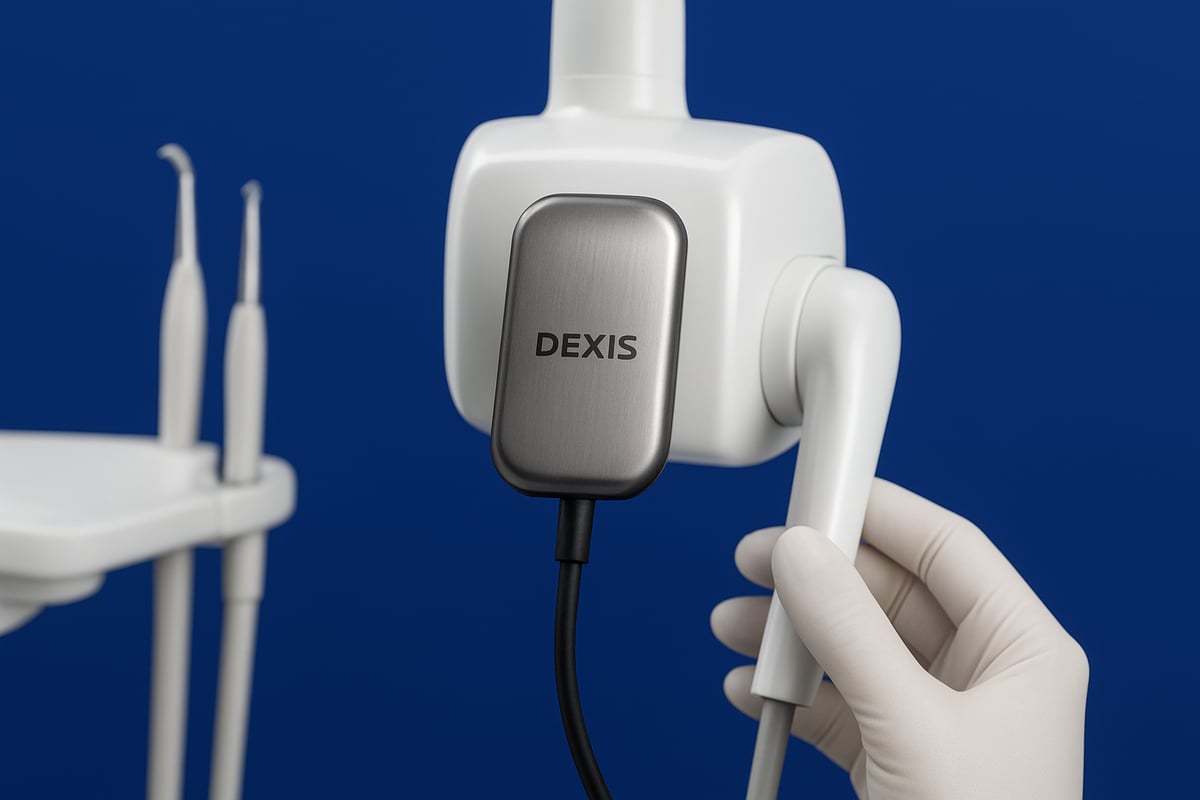
One of the key advancements in the dexis titanium sensor is its titanium housing. Unlike standard plastic or aluminum casings, titanium offers superior durability and hygiene. Its non-porous surface resists wear and is easy to disinfect, making it ideal for the rigorous conditions of busy dental clinics. This robust construction also leads to fewer sensor failures and longer service life.
The sensor comes in multiple sizes, addressing the needs of both pediatric and adult patients. Slim profiles and rounded edges further enhance comfort and adaptability, making intraoral placement easier for clinicians and more comfortable for patients.
Compatibility is a cornerstone of the dexis titanium sensor’s design. It integrates smoothly with most dental X-ray units and leading imaging software. Plug-and-play functionality and broad software support simplify adoption and reduce workflow interruptions. For an in-depth look at its unique features and integration, see the DEXIS Titanium Sensor Features and Benefits.
Reliability is not just about robust materials, but also about performance over time. Data from clinics show that the dexis titanium sensor has significantly lower failure rates compared to older models. Practices report reduced downtime and fewer replacements, which translates directly to cost savings and improved patient care.
Let’s compare how the dexis titanium sensor stacks up against legacy sensors:
| Feature | Legacy Sensors | Dexis Titanium Sensor |
|---|---|---|
| Housing Material | Plastic or Aluminum | Titanium |
| Image Resolution | Standard | High-definition CMOS |
| Durability | Moderate | Exceptional |
| Hygiene | Prone to wear | Easy to disinfect |
| Failure Rate | Higher | Significantly lower |
| Software Compatibility | Limited | Broad, plug-and-play |
Clinicians using the dexis titanium sensor consistently note improvements in image quality, workflow efficiency, and patient comfort. This sensor’s technology not only meets today’s clinical demands but also sets the stage for future advancements in dental imaging. As practices prepare for 2025, the dexis titanium sensor is poised to remain at the forefront of digital radiography innovation.
Key Features of Dexis Titanium Sensor
The dexis titanium sensor stands out as a cutting-edge solution for dental imaging in 2025. Its core features are designed to enhance diagnostics, durability, and patient comfort, setting a new benchmark for dental radiography. Let's explore what makes this sensor a leader in its class.
Advanced Imaging Capabilities
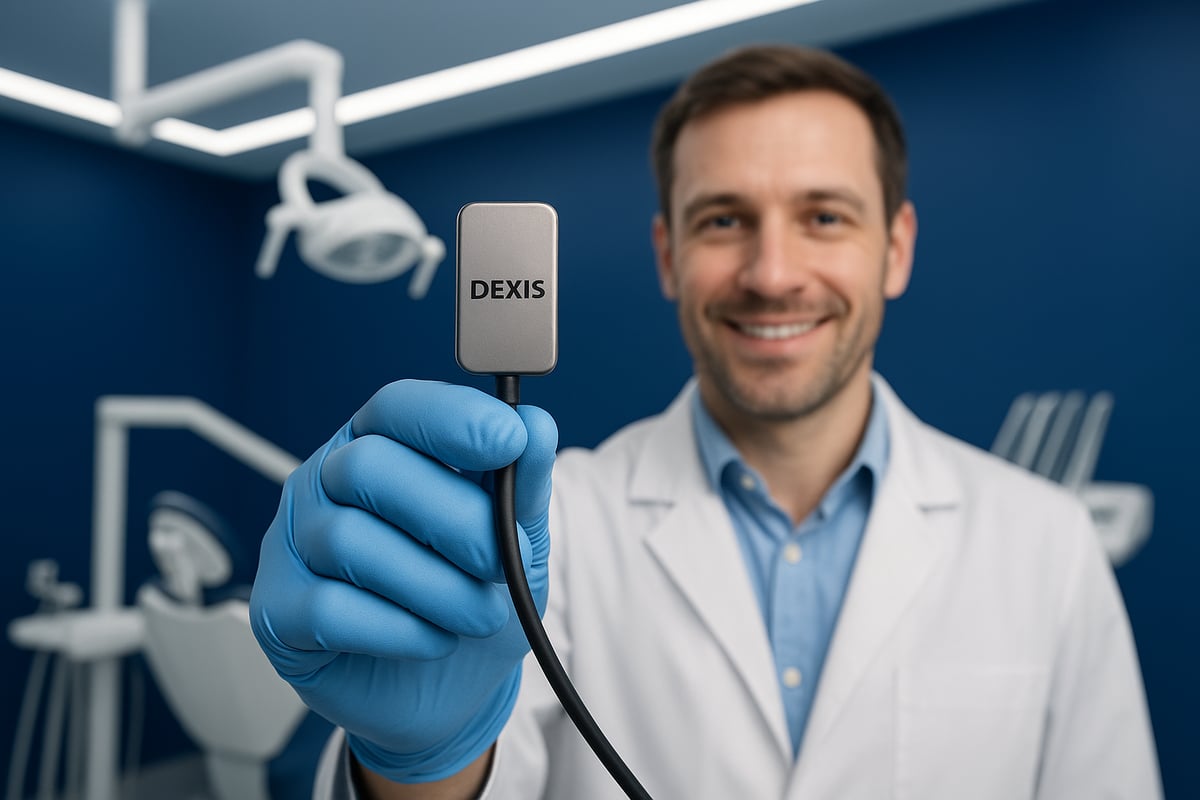
The dexis titanium sensor delivers exceptional imaging performance that directly impacts clinical outcomes. With high-definition image resolution, dental professionals can visualize subtle details in enamel, dentin, and bone structures. This clarity is critical for detecting early caries, assessing endodontic treatments, and evaluating periodontal health.
One of the key advantages of the dexis titanium sensor is its ability to produce sharp images with minimal radiation exposure. It leverages advanced CMOS technology and proprietary image processing algorithms to maintain diagnostic accuracy while safeguarding patient safety. These innovations support more precise diagnoses and reduce the need for repeat exposures.
Clinical studies have shown that practices using the dexis titanium sensor experience improved detection rates for caries and periapical lesions. The sensor's instant image capture and rapid transfer to the dental software enable real-time chairside review, streamlining the workflow and enhancing patient communication.
To summarize the imaging benefits:
| Feature | Dexis Titanium Sensor | Standard Sensors |
|---|---|---|
| Image Resolution | High-definition | Standard |
| Radiation Dose | Low | Moderate |
| Diagnostic Accuracy | Enhanced | Variable |
| Proprietary Algorithms | Yes | No |
With these capabilities, the dexis titanium sensor empowers dental teams to deliver better care and achieve more confident diagnoses.
Durability and Build Quality
The dexis titanium sensor is engineered for long-term reliability in demanding clinical environments. Its titanium housing offers superior strength, ensuring the sensor withstands daily use, accidental drops, and repeated sterilization cycles. This robust construction also contributes to the sensor's excellent hygiene profile, making it easy to disinfect between patients.
A standout aspect of the dexis titanium sensor is its waterproof and dustproof design, which protects sensitive electronics and extends the device's lifespan. The reinforced cable and connector system are specifically designed to prevent common breakages, reducing downtime and repair costs.
According to manufacturer data, the average lifespan of the dexis titanium sensor significantly exceeds that of standard sensors, translating into fewer replacements and a better return on investment. For a detailed breakdown of technical specifications and durability enhancements, refer to the DEXIS Titanium Sensor Brochure.
Key durability features include:
- Titanium casing for impact resistance
- Full waterproofing for easy cleaning
- Chemical resistance to disinfectants
- Reinforced cable for daily flexibility
These design elements prove that the dexis titanium sensor is built to last, supporting busy practices with minimal interruptions.
Ergonomics and Patient Comfort
Patient comfort is a priority with the dexis titanium sensor. The sensor features a slim, rounded profile that fits comfortably in the mouth, making intraoral placement easier for both clinicians and patients. Multiple sensor sizes are available to accommodate pediatric and adult patients, ensuring a precise fit for every scenario.
The flexible cable of the dexis titanium sensor allows for convenient positioning, reducing strain on both operator and patient. Its smooth, contoured edges help minimize discomfort during radiographic procedures, which is especially important for patients with sensitive oral tissues.
Surveys show that patients report higher satisfaction with the dexis titanium sensor compared to bulkier or less ergonomically designed models. Dental teams also appreciate the reduced need for repositioning, which speeds up appointments and improves overall workflow.
Highlights of ergonomic benefits:
- Slim, rounded edges for easy placement
- Multiple size options for different patients
- Flexible cable for operator efficiency
- Reduced discomfort during X-rays
By prioritizing comfort and adaptability, the dexis titanium sensor enhances the radiographic experience for everyone involved.
Clinical Benefits and Practice Impact
Dental practices today demand technology that delivers both clinical excellence and operational efficiency. The dexis titanium sensor stands out as a pivotal tool for modern dental teams, reshaping how diagnostics, infection control, and practice economics are approached.
Diagnostic Accuracy and Workflow Efficiency
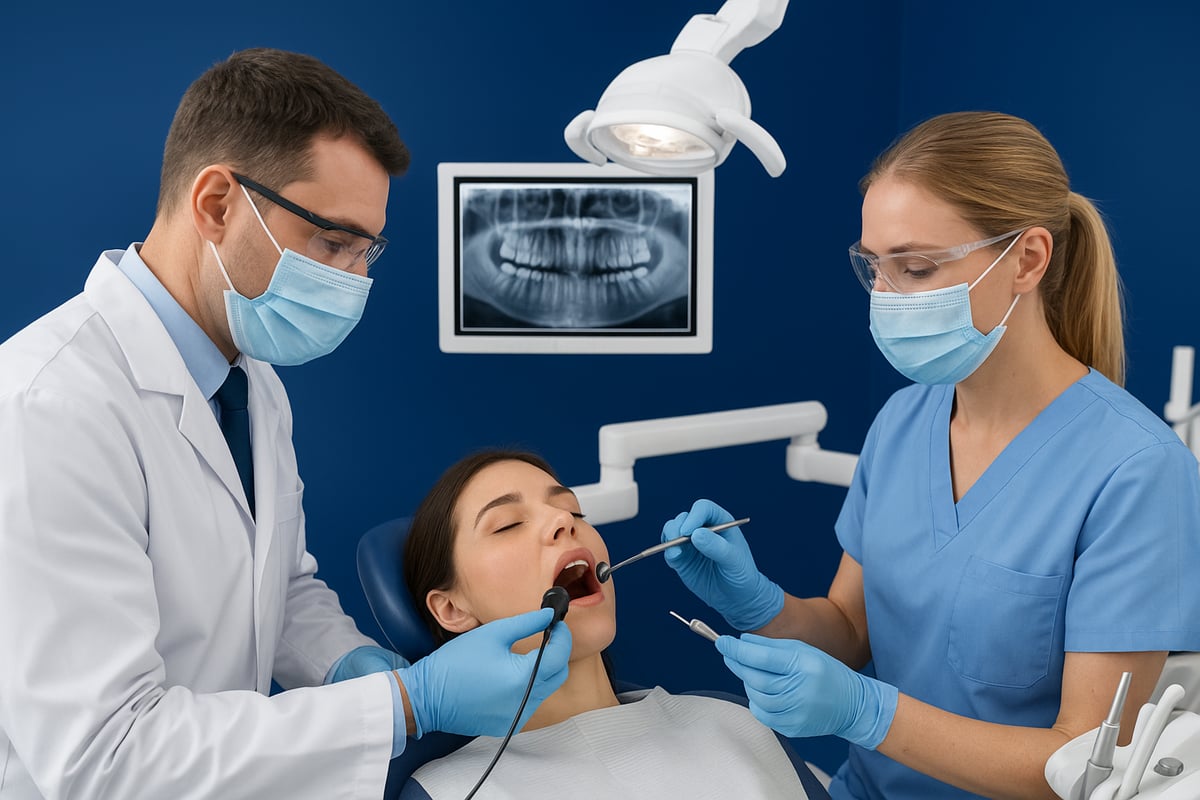
The dexis titanium sensor is engineered to provide outstanding image clarity, which directly enhances diagnostic accuracy. With high-definition imaging, dental professionals can detect subtle caries, fine root fractures, and early periodontal changes more reliably. This level of detail reduces the risk of missed diagnoses and helps support more confident clinical decisions.
Instant image acquisition is a game changer. The dexis titanium sensor enables chairside review within seconds, minimizing patient wait times and allowing for immediate case discussions. Practices report fewer retakes due to the sensor’s consistent performance and advanced image processing algorithms, which means less radiation exposure for patients and smoother appointment flow.
Integration with leading dental software, such as Dentrix Ascend, allows for seamless image transfer and automatic chart updates. This eliminates manual steps and reduces the chance of data entry errors.
Benefits at a glance:
- Faster, more accurate diagnoses
- Fewer image retakes and improved patient experience
- Streamlined digital workflows and case documentation
Case studies show that using the dexis titanium sensor can reduce appointment times by up to 20 percent, freeing up valuable chair time and increasing daily productivity.
Infection Control and Compliance
Maintaining a sterile environment is non-negotiable in dentistry. The dexis titanium sensor addresses this with its titanium housing, which is non-porous and easy to disinfect. Its robust build withstands repeated cleaning with approved agents, helping practices maintain strict hygiene standards.
The sensor is fully compatible with barrier sheaths and established cleaning protocols, ensuring compliance with both FDA and ISO requirements. This compatibility minimizes the risk of cross-contamination, especially in high-volume settings where multiple patients are seen back-to-back.
Key infection control features include:
- Non-porous titanium for simple, effective sterilization
- Waterproof and dustproof construction for resilience
- Endurance against strong disinfectants without deterioration
In a recent compliance audit, practices using the dexis titanium sensor consistently passed infection control checks with high marks, reflecting the sensor’s role in supporting regulatory adherence. By reducing contamination risks, the sensor not only protects patients but also safeguards the practice’s reputation.
Cost Effectiveness and ROI
Investing in the dexis titanium sensor delivers measurable financial benefits over time. Its durable construction leads to fewer replacements and repairs, translating into lower long-term costs for the practice. Unlike standard sensors, the titanium build resists cable damage and connector failures, which are common sources of unexpected expenses.
Let’s break down the value:
| Metric | Standard Sensor | Dexis Titanium Sensor |
|---|---|---|
| Average Lifespan | 3 years | 5+ years |
| Annual Maintenance Cost | $800 | $400 |
| Replacement Frequency | High | Low |
The dexis titanium sensor also enhances case acceptance rates. Clear, high-quality images help patients better understand their conditions and treatment needs, leading to more informed decisions and improved retention rates.
A three to five year ROI analysis reveals that the dexis titanium sensor can save a typical practice thousands of dollars, while also driving profitability through greater efficiency and patient satisfaction. Practices find that value extends far beyond the initial purchase price, making it a smart, future-ready investment.
Integration with Dental Software and Imaging Systems
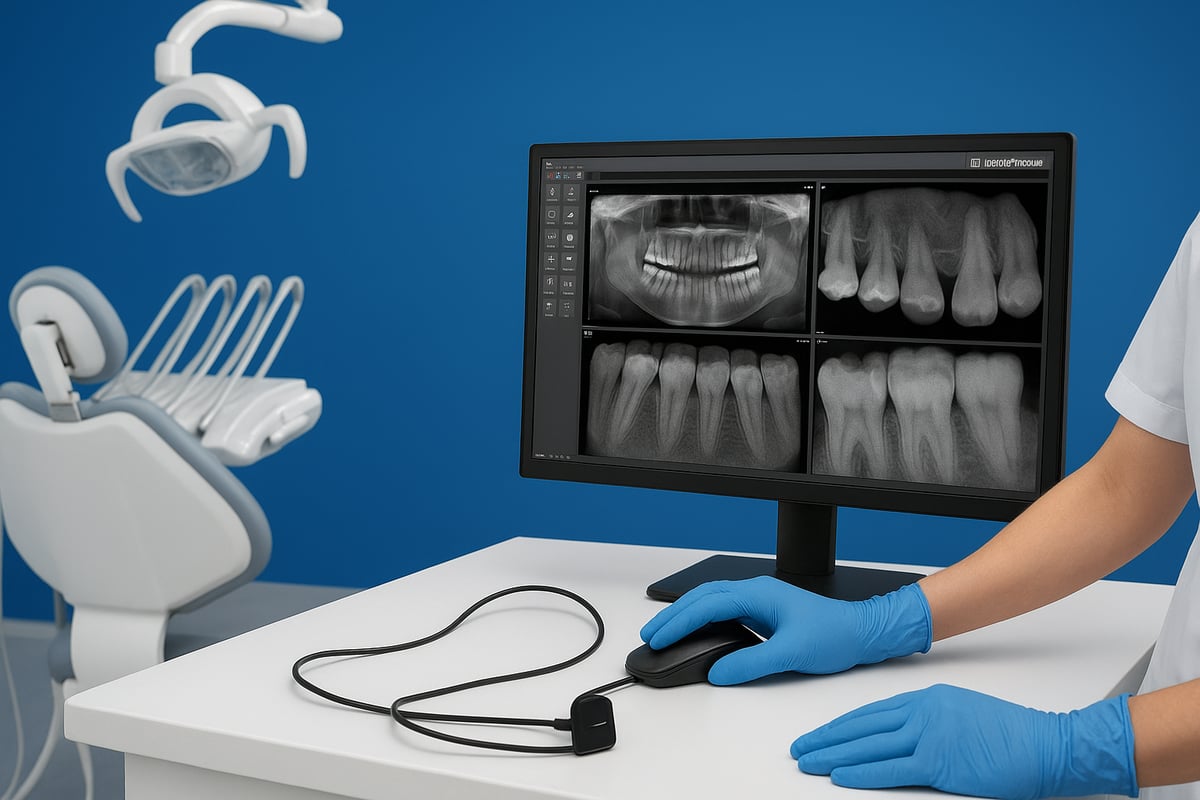
Modern dental practices need technology that fits seamlessly into their daily routines. The dexis titanium sensor stands out for its robust integration with a wide range of dental software and imaging systems. This ensures that teams can focus on patient care, not technical hurdles.
Compatibility and Connectivity
The dexis titanium sensor is designed for plug-and-play ease, supporting both Windows and Mac environments. It connects quickly to major dental imaging platforms, making setup fast and stress-free. The sensor’s TWAIN compatibility allows it to work smoothly with popular third-party software, eliminating workflow bottlenecks.
Integration with practice management systems is a major advantage. You can easily bridge the sensor with charting, scheduling, and case documentation tools. For practices comparing integration options, Dental Software Reviews provides insights on compatibility and user experiences.
Here is a sample table of compatible software brands:
| Software Brand | Platform | Integration Type |
|---|---|---|
| DEXIS Imaging Suite | Windows, Mac | Native |
| Dentrix Ascend | Web-based | API |
| Eaglesoft | Windows | TWAIN |
| Open Dental | Windows, Mac | Direct, TWAIN |
This broad compatibility means the dexis titanium sensor fits into nearly any digital workflow. Your team can expect minimal downtime and quick adoption.
Image Management and Data Security
The dexis titanium sensor prioritizes secure image management. Images are stored with HIPAA-compliant protocols, which helps protect patient privacy. Automated backup options and easy retrieval features reduce the risk of lost data.
Role-based access controls ensure only authorized users can view or edit images. Encryption features add another layer of security, and many practices are choosing cloud integration for off-site backup.
Common data protection protocols in real-world practices include:
- Regular encrypted backups
- User authentication for image access
- Audit trails for tracking activity
- Secure cloud storage with redundancy
With the dexis titanium sensor, you can trust that patient data is both accessible and safe. These features make it easier to maintain compliance and focus on patient care.
Training and Support Resources
Getting started with the dexis titanium sensor is straightforward, thanks to comprehensive onboarding resources. Manufacturers provide step-by-step tutorials, detailed manuals, and troubleshooting guides to help teams get up to speed quickly.
Online user communities and peer forums offer a space for knowledge sharing and quick tips. Many dental professionals appreciate the responsive technical support, which can address issues in real time.
For example, users often report positive experiences with support teams, noting fast response times and clear solutions. This support network helps practices maximize the sensor’s capabilities and ensures a smooth integration process.
User Experience: Feedback from Dental Professionals
Dental professionals consistently highlight the difference the dexis titanium sensor makes in their daily routines. Many dentists report sharper, more consistent images that help them diagnose issues faster and with greater confidence. Dental assistants appreciate the quick learning curve, noting that the sensor’s intuitive design speeds up radiographic procedures.
Real-World Testimonials and Case Studies
Dentists who have adopted the dexis titanium sensor often remark on the boost in workflow efficiency. One practitioner shared that patient appointment times dropped by nearly 20 percent after switching, thanks to fewer retakes and immediate image access. Another noted that the sensor’s high-definition images allowed for better detection of subtle caries, especially when compared to older sensors.
Clinical teams also value the sensor’s rugged titanium housing. After a year of daily use, many report zero failures or cable issues, a notable improvement over legacy sensors. Before-and-after imagery in clinical case studies shows clearer bone detail and more precise endodontic file tracking, supporting improved patient outcomes.
Several practices have combined the dexis titanium sensor with Imaging and Clinical AI Tools to further enhance diagnostic quality and automate parts of their workflow. This integration helps teams focus more on patient care and less on technical troubleshooting.
Patients notice the difference too. Feedback surveys indicate a significant drop in discomfort during imaging, with many commenting on the quick, gentle process. These real-world experiences underline the sensor’s role in delivering fast, high-quality care.
Common Challenges and Solutions
Switching to the dexis titanium sensor can come with a brief learning period. Some users initially found cable positioning tricky, especially in smaller mouths. However, manufacturers provide detailed guides and video tutorials that help teams master placement techniques quickly.
To maximize the sensor’s lifespan, dental teams recommend following strict cleaning protocols and using protective sheaths. The titanium build stands up well to regular disinfection, and the reinforced connector reduces the chance of accidental damage.
Common troubleshooting tips include checking software settings if image artifacts appear and ensuring cables are not twisted during use. Many users report that manufacturer support is responsive, offering fast replacements if a rare hardware issue occurs.
For ongoing success, practices share tips in online forums and peer groups. Staying updated on best practices allows teams to keep the dexis titanium sensor performing at its best, ensuring reliable imaging day after day.
Future Trends: Dexis Titanium Sensor and Digital Dentistry in 2025
Dental technology is advancing faster than ever, and the dexis titanium sensor is right at the heart of this transformation. As we look toward 2025, dental professionals are eager to understand how this sensor will adapt to changing needs, regulations, and workflows. Let’s explore what the future holds for digital dentistry and the dexis titanium sensor.
Anticipated Advances in Sensor Technology
The next generation of dental sensors is expected to bring even more innovation. The dexis titanium sensor, known for its reliability, may soon benefit from artificial intelligence tools that automatically enhance images or flag potential issues for review. Wireless connectivity is also on the horizon, which would make workflows even more seamless.
Manufacturers are already preparing for what’s next. For example, the introduction of the DEXIS Ti2 Sensor Announcement highlights how the product line is evolving, promising even greater performance and smarter integration. These advancements ensure the dexis titanium sensor remains at the forefront of digital dentistry.
Role in Teledentistry and Remote Consultations
Teledentistry is rapidly gaining acceptance, and the dexis titanium sensor is uniquely positioned to support this shift. Its high-resolution imaging and digital workflow make it easy to share diagnostic images securely with specialists or patients, even when they are not in the office.
For dental teams interested in expanding their remote services, learning more about Teledentistry and Consults Overview can help them leverage the dexis titanium sensor for virtual care. This technology is making dental care more accessible and flexible than ever before.
Evolving Regulatory Requirements and Compliance
With new regulations emerging, dental practices need solutions that can adapt quickly. The dexis titanium sensor is designed with compliance in mind, supporting HIPAA requirements and international standards for data security.
Manufacturers are also proactive about meeting new guidelines, updating firmware and software to ensure continued compliance. This approach helps practices avoid disruptions and maintain patient trust, especially as regulations change over time.
Interoperability and Industry Outlook
As dental practices adopt more digital tools, interoperability becomes critical. The dexis titanium sensor is built for compatibility with a wide range of imaging software and practice management platforms, making it easier to integrate into multi-vendor environments.
Industry experts predict that open systems, cross-platform image sharing, and cloud connectivity will soon become standard. The table below summarizes key predictions for digital dentistry in 2025:
| Trend | Impact on Dexis Titanium Sensor |
|---|---|
| AI-powered diagnostics | Enhanced image analysis and automation |
| Wireless connectivity | Greater mobility and workflow efficiency |
| Teledentistry integration | Expanded access to remote care |
| Regulatory adaptation | Ongoing compliance and security updates |
With these developments, the dexis titanium sensor is set to remain a leader in digital dental imaging.
Purchasing, Warranty, and Support Considerations
Choosing the right dexis titanium sensor is a major investment for any dental practice. Ensuring you understand the available purchase channels, warranty coverage, and long-term support can make a significant difference in your experience and return on investment.
Purchase Options for Dexis Titanium Sensor
You can acquire the dexis titanium sensor through authorized distributors, directly from the manufacturer, or as part of bundled equipment packages. Bundles may include imaging software, training, and accessories, which can streamline setup and reduce initial costs. Practices often compare offers from multiple sources to secure the best deal and support package for their specific needs.
Warranty Terms and Support Coverage
Most dexis titanium sensor units come with a manufacturer’s warranty, typically covering defects in materials and workmanship for a set period, such as two to five years. The warranty usually includes repair or replacement services, with a straightforward claims process. Dedicated technical support teams are available via phone, email, or online portals, ensuring issues are resolved quickly and minimizing downtime in clinical operations.
Ongoing Maintenance and Care Recommendations
Following manufacturer-recommended maintenance routines is essential for maximizing the lifespan of your dexis titanium sensor. Regular inspection of cables and connectors, gentle cleaning with approved agents, and proper storage help prevent damage. Many providers offer optional extended support plans or service agreements, offering peace of mind and budget predictability for ongoing care and repairs.
Cost Comparison and Total Ownership
When evaluating the dexis titanium sensor, consider not just the upfront price but the full spectrum of ownership costs. The table below compares typical expenses over three years for the dexis titanium sensor and other premium sensors:
| Sensor Model | Initial Cost | Avg. Annual Maintenance | Estimated Repairs | Total 3-Year Cost |
|---|---|---|---|---|
| Dexis Titanium Sensor | $8,000 | $200 | $300 | $8,900 |
| Competitor A | $7,500 | $400 | $700 | $9,800 |
| Competitor B | $7,000 | $600 | $1,200 | $10,000 |
This breakdown highlights the long-term savings possible with a robust, reliable sensor.
Evaluating Sensor Value Beyond Price
When assessing the value of the dexis titanium sensor, look beyond the sticker price. Factor in the durability, warranty length, support quality, and the sensor’s impact on workflow efficiency and patient satisfaction. Practices that prioritize quality, reliable technical support, and ease of integration tend to see higher returns and fewer disruptions in daily operations.
In summary, a careful review of purchase options, warranty coverage, maintenance requirements, and total ownership costs will position your practice to get the most from your dexis titanium sensor investment. Always compare support services, read user reviews, and consult with your team before making a final decision.