The digital transformation of dentistry is accelerating, and dental CAD is at the heart of this change. New technologies are rapidly reshaping how dental professionals approach clinical workflows, patient care, and practice profitability.
Staying ahead of the curve with dental CAD is no longer optional for those who want to deliver superior results and remain competitive. This guide offers actionable insights, practical tips, and a clear roadmap for harnessing the power of dental CAD in 2026.
Inside, you’ll find a comprehensive overview of foundational concepts, breakthrough innovations, workflow integration strategies, software selection advice, training tips, and a glimpse into the future of digital dentistry.
Understanding Dental CAD: Foundations and Evolution
Digital dentistry is undergoing a rapid transformation, and at the heart of this change is dental cad. To fully grasp the impact of these technologies, it’s vital to understand their core principles, historical development, applications, and the benefits they bring to both clinics and patients.
What is Dental CAD?
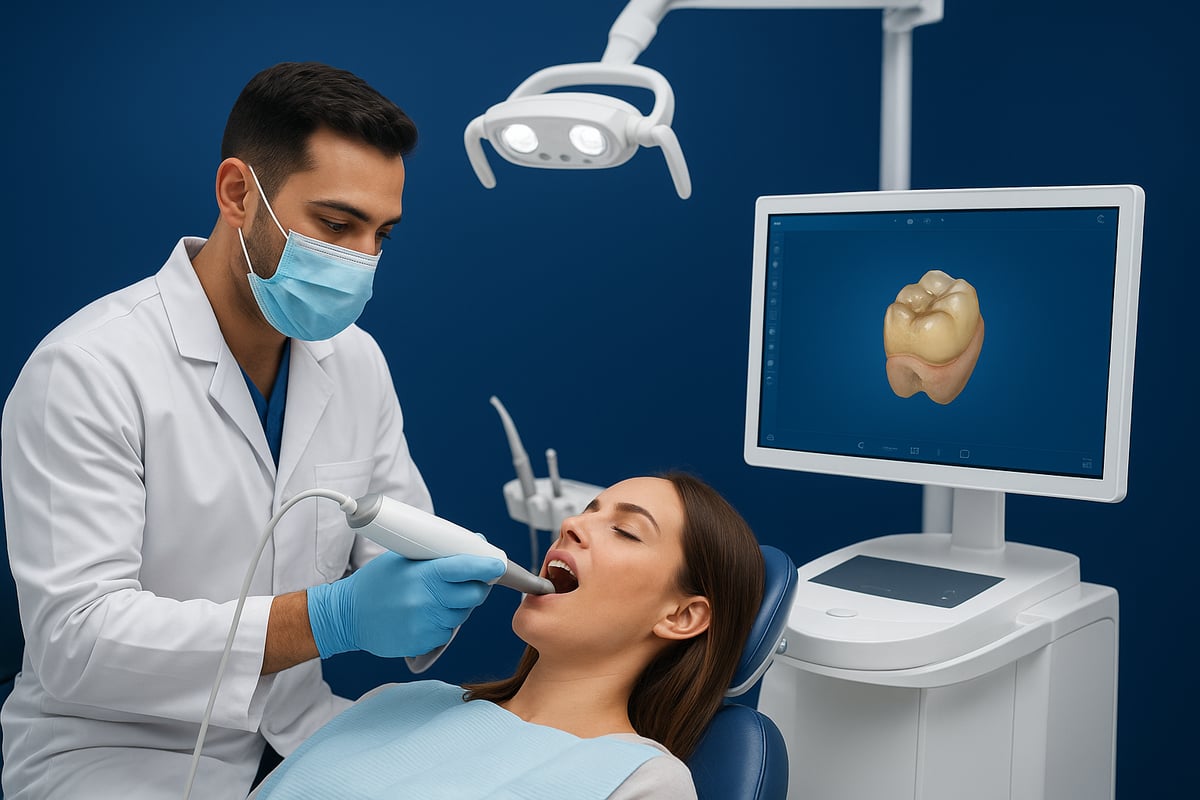
Dental cad, or Computer-Aided Design, is a digital technology used in modern dentistry to design dental restorations and prosthetics. It allows clinicians and dental technicians to create precise 3D models for crowns, bridges, dentures, and implants.
This technology works together with CAM (Computer-Aided Manufacturing), enabling seamless production of restorations from digital designs. The shift from traditional manual impressions to digital processes has improved accuracy and efficiency.
For example, digital impressions captured by intraoral scanners are now used to quickly create detailed 3D models, which can be shared instantly between clinics and dental labs. This collaborative workflow streamlines the entire restoration process.
Historical Perspective and Milestones
The evolution of dental cad began with early CAD/CAM systems, which were initially limited in scope. Over the years, key milestones have included the introduction of intraoral scanners, the development of open architecture platforms, and the integration of AI-powered design features.
A significant shift occurred as dental practices moved from gypsum models to fully digital impressions, resulting in faster turnaround and more predictable outcomes. According to industry reports, over 50% of dental labs now use CAD/CAM systems, demonstrating widespread adoption. For a deeper dive into market trends and adoption rates, see Dental CAD/CAM market growth projections.
As digital workflows have matured, clinicians now enjoy increased speed, accuracy, and reliability in restorative dentistry.
Types of Dental CAD Software and Applications
There is a wide range of dental cad software available, each designed to address specific clinical needs. Popular applications include restoration design tools for crowns, bridges, and dentures, as well as simulation and orthodontic planning platforms that help predict treatment outcomes.
Other modules focus on implant planning, surgical guide creation, and patient engagement. Digital smile design software, for example, enables clinicians to visualize and communicate potential treatment results with patients before starting any procedure.
Additionally, monitoring and communication tools help practices track patient progress and improve preventive care, making dental cad a versatile solution for modern dentistry.
Key Benefits of Dental CAD Solutions
Embracing dental cad brings several key benefits to dental practices. Accuracy and customization are greatly enhanced, allowing for restorations that fit better and last longer.
Patients experience faster, more comfortable procedures, often with same-day dentistry available thanks to streamlined workflows. Cost and time savings are realized by reducing manual labor and material waste.
Practices using dental cad often see return on investment within months, especially when utilizing ROI calculators and workflow analytics. These solutions not only improve clinical outcomes but also drive profitability and patient satisfaction.
Cutting-Edge Innovations in Dental CAD for 2026
The landscape of dental cad is evolving at a remarkable pace, setting the stage for transformative change in dental practices. As we look toward 2026, a new wave of innovations is reshaping clinical workflows, enhancing patient experiences, and streamlining digital dentistry. Let’s explore the key advancements that are defining the future of dental cad, from AI-driven automation to cloud-based solutions. For a broader perspective on these trends, you may also find value in Top digital dental trends for 2026.
AI and Automation in Dental CAD
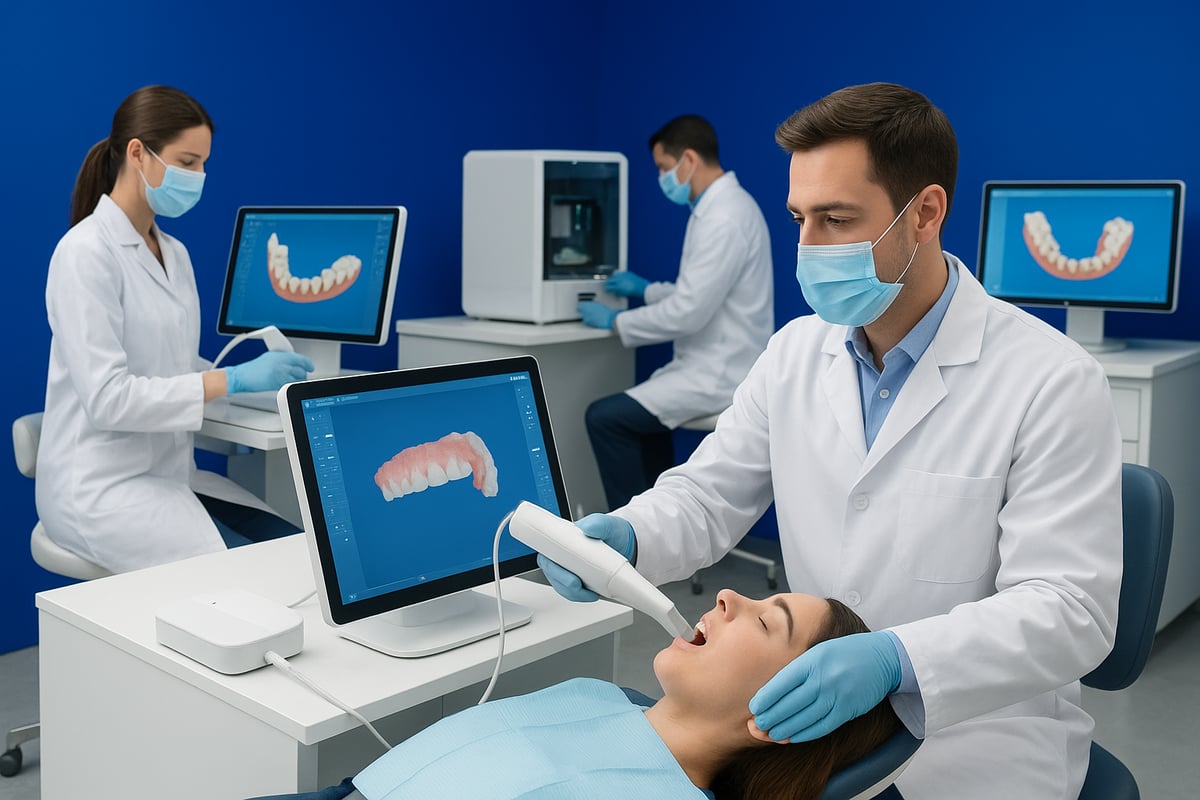
AI is revolutionizing dental cad by automating design tasks that once required hours of manual effort. Today’s systems leverage deep learning to propose treatment plans, design crowns, and even segment digital scans with impressive accuracy. For example, AI-powered smile design tools can instantly create esthetic simulations, helping both clinicians and patients visualize outcomes. By reducing manual steps, these solutions improve efficiency and consistency. As AI continues to evolve, dental professionals can expect even greater speed and precision in dental cad workflows, setting new standards for digital dentistry.
Advanced Intraoral and Lab Scanning Technologies
Recent advancements in scanning technology are redefining the capabilities of dental cad systems. Next-generation intraoral scanners like TRIOS 6 Wireless or Planmeca Emerald S offer remarkable speed and wireless freedom, making digital impressions more comfortable for patients. Lab scanners now capture ultra-high resolution and natural color, ensuring that restorations fit precisely. These systems integrate seamlessly with CBCT and facial scanners, providing comprehensive datasets for precise planning. By reducing scanning times by up to 50 percent, dental cad solutions are making digital workflows smoother and more reliable than ever.
Open vs. Closed CAD Ecosystems
Choosing between open and closed ecosystems is a pivotal decision for practices adopting dental cad. Open architecture platforms, such as Exocad, provide flexibility to integrate with a wide range of hardware and software, supporting long-term adaptability. In contrast, closed systems like CEREC SW deliver seamless, turnkey workflows but often limit interoperability. Here’s a quick comparison:
| Feature | Open Systems | Closed Systems |
|---|---|---|
| Flexibility | High | Low |
| Interoperability | Broad | Limited |
| Vendor Lock-in | Minimal | High |
In 2026, more clinics and labs are favoring open dental cad ecosystems for their scalability and cost-effectiveness.
3D Printing Integration and Material Advances
The integration of 3D printing with dental cad is transforming how dental restorations and surgical guides are produced. Direct CAD-to-print workflows allow for same-day fabrication of crowns, dentures, and splints, slashing turnaround times and reducing inventory needs. Material options have expanded, with printable zirconia, hybrid ceramics, and biocompatible resins now available for a variety of procedures. Statistics show that 60 percent of digital labs use 3D printing daily. These advances empower dental cad users to deliver custom solutions faster and more economically.
Enhanced Patient Engagement and Visualization Tools
Engaging patients has never been easier, thanks to new visualization tools integrated into dental cad platforms. Digital smile design software enables real-time previews of proposed treatments, helping patients understand their options. Patient portals and mobile apps let clinics share before and after simulations, increasing transparency and trust. Practices using these engagement tools report up to 25 percent higher treatment acceptance. As dental cad technology evolves, patient communication becomes more interactive, leading to better outcomes and greater satisfaction.
Security, Compliance, and Cloud-Based Solutions
Security and accessibility are crucial in modern dental cad systems. The shift to cloud-based software enables remote access, multi-location collaboration, and automatic updates, while also ensuring robust data security and compliance with regulations like HIPAA and GDPR. Cloud storage protects patient scans and treatment plans from loss and allows instant recovery in case of disaster. With cloud adoption projected to double by 2026, dental cad users can expect enhanced flexibility, lower IT maintenance, and peace of mind as they embrace digital transformation.
Integrating Dental CAD into the Modern Workflow
Adopting dental cad into your daily workflow is a game changer for modern dental practices. By leveraging digital tools at every stage, you can streamline processes, boost accuracy, and deliver a better patient experience. Let’s break down how each step fits into a fully digital workflow.
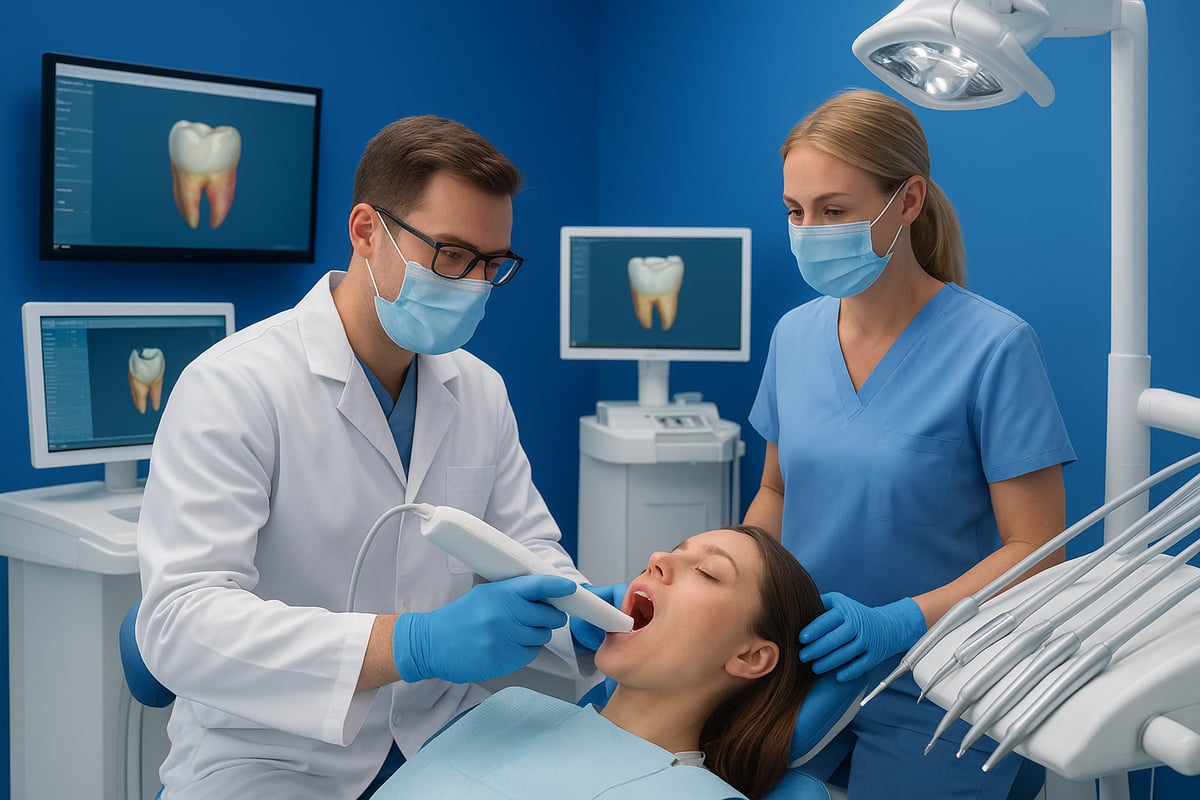
Digital Impression and Data Acquisition
The starting point for any dental cad workflow is capturing precise digital impressions. Intraoral and lab scanners have replaced messy traditional molds, offering patients a more comfortable experience and clinicians higher accuracy.
For example, integrating advanced tools like the 3Shape dental scanner overview enables quick, high-resolution scans. Pairing these with CBCT images creates comprehensive datasets for planning implants or restorations.
To ensure quality, always follow best practices:
- Calibrate scanners regularly
- Minimize patient movement
- Double-check scan completeness before moving forward
Digital impressions in dental cad significantly reduce remakes, saving time and improving overall outcomes.
Virtual Design and Treatment Planning
Once you’ve captured digital data, the next step in dental cad is importing scans into design software. Here, clinicians and lab technicians can collaborate virtually, using AI-driven tools to propose optimized restorations.
Digital wax-ups, virtual articulation, and occlusion simulations allow for precise customization. Libraries of teeth shapes, materials, and colors further enhance treatment planning.
Cloud-based platforms make it easy to share models and treatment proposals instantly. This seamless integration is transforming how dental cad supports teamwork across practices and labs.
Manufacturing: Milling and 3D Printing
After design approval, dental cad files are sent directly to CAM equipment for manufacturing. Practices can choose between in-house milling for same-day crowns or outsourcing complex cases to digital labs.
Here’s a quick comparison:
| Manufacturing Method | Speed | Cost | Flexibility |
|---|---|---|---|
| Chairside Milling | Same day | Higher upfront | Limited to simple cases |
| Lab 3D Printing | 1-2 days | Lower per case | Handles complex work |
Material selection is crucial in dental cad. Ensure compatibility with your chosen system, whether using ceramics, zirconia, or biocompatible resins.
Quality Assurance and Fit Verification
Quality assurance is essential in any dental cad workflow. Digital verification tools simulate the fit of restorations before they’re produced, reducing the need for physical adjustments.
After manufacturing, clinicians perform try-ins and make minor tweaks if needed. Monitoring software tracks the long-term performance of restorations, helping practices refine their protocols.
The result? Less chair time for both patients and clinicians, plus fewer follow-up appointments.
Patient Communication and Case Acceptance
Effective communication is a cornerstone of successful dental cad integration. Digital previews and before-after simulations help patients visualize outcomes, boosting their confidence in your recommendations.
Engagement software allows you to share treatment plans via mobile devices, making it easy for patients to review options at their convenience.
Practices using digital cad for case presentations consistently report higher satisfaction and treatment acceptance rates.
Workflow Optimization and ROI Tracking
Continuous improvement is vital for maximizing your dental cad investment. Analytics dashboards and ROI calculators help you monitor key metrics like appointment times, remakes, and patient outcomes.
Here are some best practices:
- Track efficiency gains monthly
- Gather team feedback after software updates
- Benchmark performance against industry standards
By embracing a culture of data-driven optimization, your practice can unlock the full potential of dental cad and stay ahead in the digital dentistry landscape.
Choosing the Right Dental CAD Software: 2026 Buyer’s Guide
Selecting the right dental cad software is a pivotal decision for modern dental practices. With a rapidly evolving landscape, understanding key features, costs, and support options will help you future proof your investment and maximize returns. This guide breaks down the essentials for choosing dental cad solutions in 2026.
Key Selection Criteria for Dental CAD Software
When evaluating dental cad software, prioritize intuitive interfaces and streamlined workflows. Usability ensures your team can quickly adapt and work efficiently. Automation powered by AI is now standard, offering automated design proposals and predictive modeling.
Compatibility is crucial. Your dental cad platform should integrate seamlessly with scanners, printers, and other digital tools. Modular options allow customization for different specialties, from orthodontics to implantology. For example, Exocad’s modular add ons let you expand functionality as your practice evolves.
Look for AI driven features that enable faster and more precise workflows. As seen with recent 3Shape’s AI-driven CAD innovations, AI is redefining efficiency in dental cad by automating crown and bridge designs. This leap can help your team deliver consistent, high quality outcomes.
Open vs. Closed Systems: Making the Right Choice
Understanding the difference between open and closed dental cad ecosystems is fundamental. Open systems offer flexibility, letting you mix and match hardware and software from various vendors. Closed systems provide a turnkey experience, often with simplified support but less adaptability.
Here’s a quick comparison:
| Feature | Open Systems | Closed Systems |
|---|---|---|
| Flexibility | High | Limited |
| Device Compatibility | Wide range | Specific to brand |
| Scalability | Easy to expand | May require full upgrades |
| Support | Varies by vendor | Centralized, streamlined |
Many clinics are transitioning from closed to open dental cad solutions to keep pace with evolving technology and scale their operations. Evaluate your practice goals and long term vision before committing.
Cost, Licensing, and Support Considerations
Dental cad software comes with different pricing models: subscription based or perpetual licenses. Subscription plans offer lower upfront costs and regular updates, while perpetual licenses may seem cost effective but can incur additional maintenance fees.
Support is non negotiable. Strong vendor support, training resources, and active user communities are essential for smooth implementation. Many providers offer free trials and bundled training, which can reduce the learning curve.
When considering cost, look at the total investment over several years. Practices with comprehensive support report fewer disruptions and better ROI from their dental cad system.
Training, Onboarding, and Team Adoption
A successful dental cad rollout hinges on thorough training and team engagement. Choose vendors that provide access to online courses, webinars, and certification programs. In person workshops and virtual sessions both play a role in onboarding.
Assign digital champions within your team to facilitate peer learning. For instance, 3Shape Academy and iDD online courses are valuable resources for continuous education. Structured onboarding minimizes resistance and accelerates adoption, ensuring your dental cad investment pays off.
Best practices include regular skills assessments and ongoing education to keep your team up to date with software enhancements.
Security, Compliance, and Data Management
Security and compliance are critical when managing patient data in dental cad workflows. Ensure your software meets HIPAA and GDPR standards, with secure storage, regular backups, and robust access controls.
Cloud based dental cad platforms offer advantages like multi factor authentication, disaster recovery, and seamless updates. However, some practices may prefer on premises solutions for full control. Evaluate your data management preferences and regulatory requirements before choosing.
Regular software updates are essential for patching vulnerabilities and maintaining compliance. Always prioritize security when comparing dental cad options.
Smart Molars: Your Trusted Dental Software Review Resource
Navigating the dental cad software market can be overwhelming. Dental software reviews and insights from Smart Molars provide unbiased, expert comparisons of leading platforms. This independent resource covers everything from dental cad to practice management, billing, and patient communication tools.
Smart Molars saves you time by offering real user testimonials and side by side comparisons, so you can make informed purchasing decisions. Their content is free and regularly updated to reflect the latest dental cad innovations. Before you invest, consult Smart Molars for a clear, comprehensive perspective on the best dental cad solutions for your practice.
Training, Implementation, and Future-Proofing Your Practice
Building a successful digital dental practice takes more than just new technology. To unlock the full power of dental cad, your team must be prepared, processes must be clear, and everyone needs to share a forward-thinking mindset. Here is how to ensure your practice thrives in the digital age.
Building a Digital-Ready Dental Team
The journey to a digital-first practice begins with your people. Evaluate your team's current comfort with digital tools and identify gaps in their dental cad skills. Encourage a culture of curiosity and ongoing education, so everyone stays motivated to learn.
Appoint digital champions who can offer peer support and troubleshoot common issues. Regular workshops and peer mentoring help reinforce skills and build confidence. Practices that invest in structured training for dental cad adoption often see a 30 percent faster integration and smoother transitions.
Implementing Dental CAD: Step-by-Step Roadmap
Rolling out dental cad technology should follow a clear roadmap. Start by assessing your practice's needs and setting specific digital goals. Next, research and select the dental cad software and compatible hardware that best fits your workflow.
Plan a phased rollout, beginning with pilot testing in a few cases before scaling up. Provide comprehensive training for all team members and establish a support network for questions. Monitor progress and gather team feedback to fine-tune the process. Most practices achieve full digital cad workflow integration within three to six months.
Measuring Success: KPIs and Continuous Improvement
To make the most of dental cad, you need to track outcomes and continuously refine your approach. Define key performance indicators such as case turnaround times, patient satisfaction, and error rates. Use analytics platforms, like those featured in analytics and dental intelligence tools, to visualize trends and spot bottlenecks.
Regular reviews allow you to benchmark your results against industry standards. By maintaining a feedback loop, you can adapt protocols as your dental cad technology evolves and ensure lasting improvements.
Staying Ahead: Trends and Future-Proofing Strategies
Digital dentistry is always evolving, and so should your dental cad strategy. Stay informed about emerging technologies, from AI-driven diagnostics to advanced imaging and cloud-based workflows. Attending webinars, conferences, and collaborating with vendors helps you access new features early.
Explore resources like imaging and clinical AI tools to stay current with innovations that intersect with dental cad. Building flexibility into your workflow ensures you are ready to integrate future advancements seamlessly.
Overcoming Common Challenges and Pitfalls
Transitioning to dental cad can bring challenges, from team resistance to budget constraints. Address digital fatigue by pacing changes and celebrating small wins. Prepare for ongoing investments in upgrades and maintenance, and always prioritize data security and compliance.
Learn from past mistakes, such as failed implementations due to lack of buy-in or inadequate support. Establish clear troubleshooting protocols and maintain strong communication with your dental cad vendors to resolve issues quickly.
The Road Ahead: What to Expect in Dental CAD by 2026 and Beyond
Looking forward, dental cad will continue to transform dental care. Expect greater automation, improved interoperability, and smarter AI-driven diagnostics. Patient-centric tools and remote collaboration will become standard, as cloud and mobile platforms gain traction.
Most dental practices will be fully digital by 2026, leveraging dental cad for superior care and efficiency. Embracing innovation now positions your practice for long-term success in this rapidly changing landscape.