The dental industry is entering a new era as dental cad software transforms how practices and labs operate. With digital tools advancing at lightning speed, precision and creativity in restorative dentistry have never been more accessible.
Dental cad software is the foundation for efficient workflows, better patient outcomes, and seamless collaboration between clinics and labs. As these solutions evolve, knowing what features and integration options matter most is essential for staying ahead.
This essential guide will give you an up-to-date overview of dental cad software for 2026. Discover the latest features, top platforms, integration strategies, and future trends to help you make the right digital choices for your practice or lab.
Understanding Dental CAD Software: Foundations and Evolution
Dental CAD software is transforming dentistry, allowing clinics and labs to achieve results that were once unimaginable. The shift from manual techniques to digital workflows has not only boosted efficiency but also opened new possibilities for precision and collaboration. As the field rapidly advances, understanding the foundations and evolution of dental CAD software is essential for anyone looking to stay ahead in 2026.
What is Dental CAD Software?
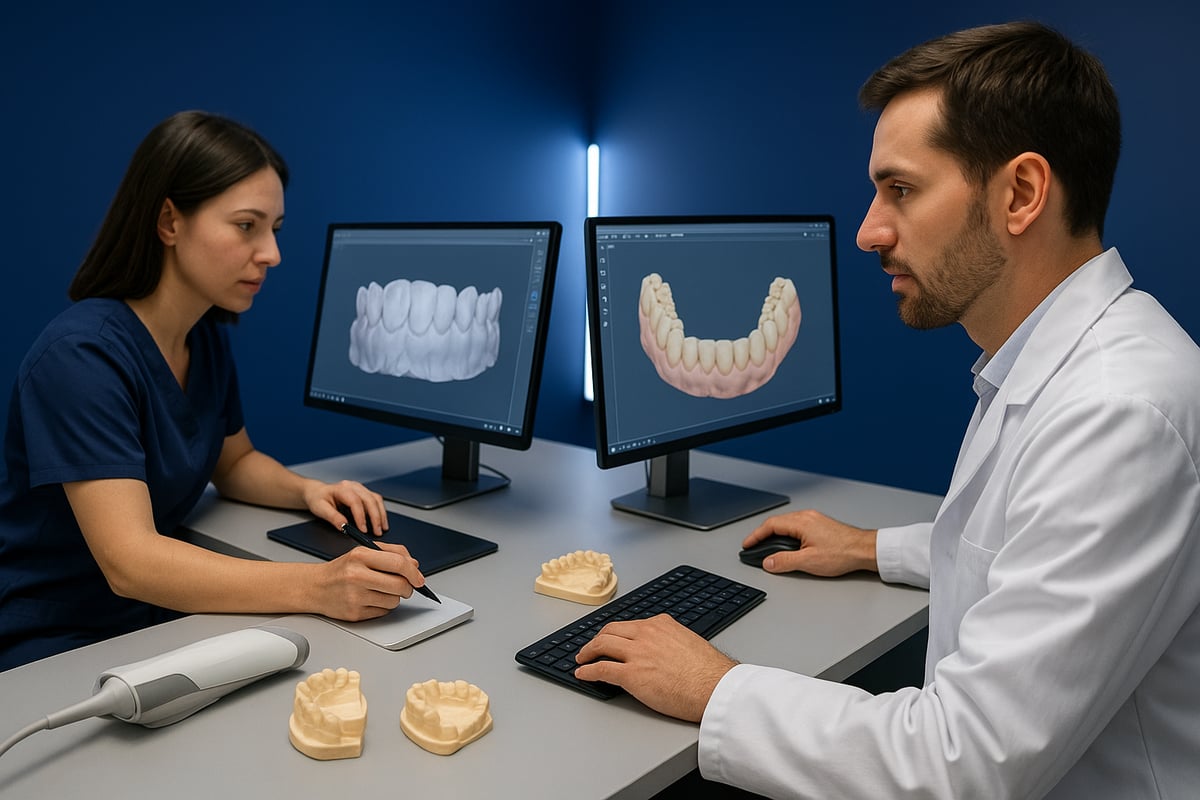
Dental CAD software, or Computer-Aided Design software tailored for dentistry, enables digital design of dental restorations and appliances. Unlike traditional manual workflows, dental CAD software brings digital precision to every step, from 3D modeling to restorative planning.
With dental CAD software, professionals can design crowns, bridges, dentures, aligners, and even surgical guides. This digital approach has revolutionized the field, allowing for seamless collaboration between clinics and labs through secure digital files.
Adoption rates have soared, with over 70% of dental labs now using CAD/CAM systems as of 2024. The result is faster, more predictable outcomes for patients and improved communication across teams.
Evolution of Dental CAD: 2020–2026
The journey of dental CAD software since 2020 has been marked by rapid innovation. Early in the decade, AI-assisted design and cloud-based collaboration became mainstream. Integration with intraoral scanners made workflows smoother, while debates over open versus closed systems shaped buying decisions.
Key advancements include AI-powered design proposals, cloud licensing, and real-time case sharing, making dental CAD software more accessible and powerful. The COVID-19 pandemic accelerated digital transformation, pushing practices to adopt remote tools and digital solutions.
Market growth reflects this momentum, with the dental CAD/CAM sector projected to reach $5.45 billion by 2032, according to Dental CAD/CAM market projected to reach $5.45 billion by 2032. This surge highlights the increasing reliance on digital dentistry worldwide.
Core Benefits of Dental CAD Software
Dental CAD software offers a range of benefits that set it apart from manual methods. The most significant advantage is improved accuracy and consistency in restorations, reducing the need for remakes.
Labs and clinics experience faster turnaround times, boosting productivity. Patients benefit from digital workflows that provide a more comfortable and engaging experience. Data transfer between clinics, labs, and specialists becomes seamless, minimizing errors.
Over time, dental CAD software leads to cost savings, making it a smart investment for practices that want to stay competitive and deliver better results.
Key Stakeholders and Users
The adoption of dental CAD software impacts a wide range of stakeholders. Dental laboratories streamline case management and design, while clinics use chairside tools to enhance patient engagement.
Technicians and clinicians collaborate more efficiently, optimizing workflows and reducing bottlenecks. Manufacturers and software vendors play a crucial role by driving innovation and offering ongoing support.
Ultimately, patients are the biggest beneficiaries. They enjoy faster, more precise, and aesthetically pleasing outcomes, thanks to the widespread use of dental CAD software in modern dentistry.
Essential Features and Capabilities of Dental CAD Software in 2026
Innovation in dental cad software is reshaping the dental landscape for 2026. Today’s platforms are packed with advanced tools that boost productivity, quality, and patient satisfaction. Let’s explore the essential features and capabilities that set the leading dental cad software solutions apart.
Comprehensive Indication Support
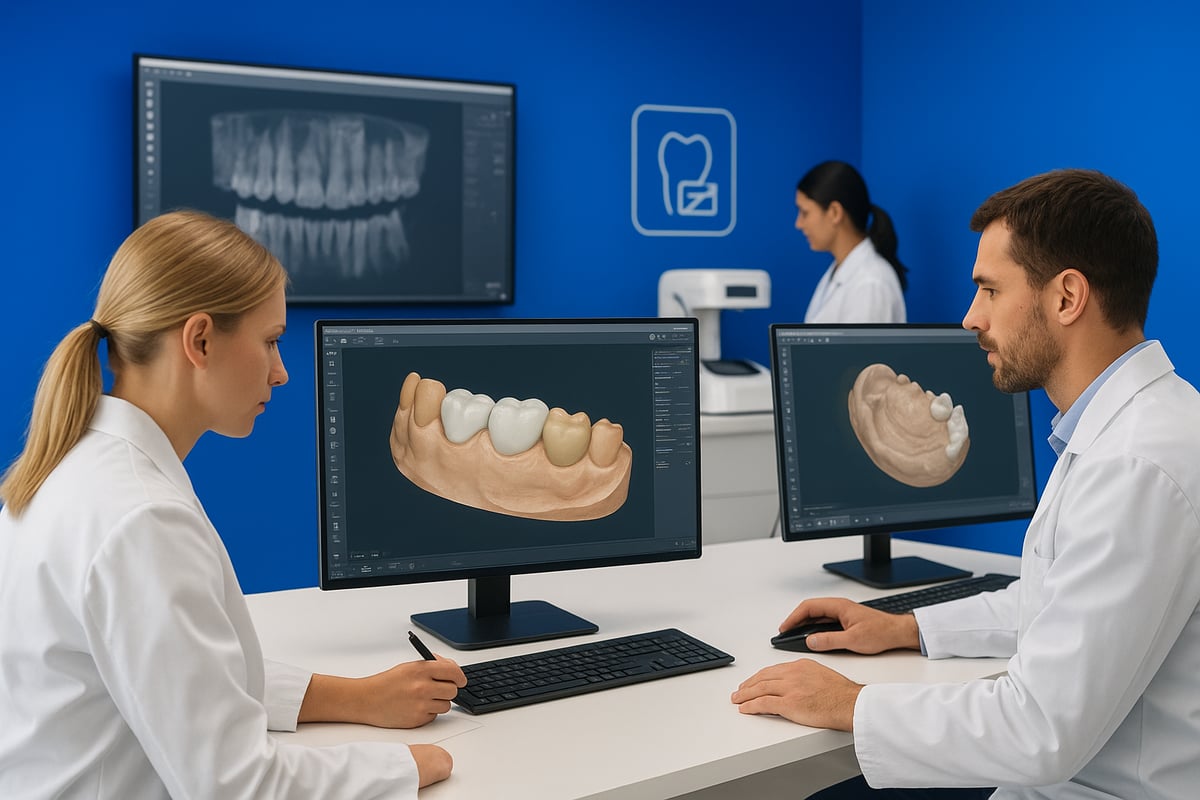
The best dental cad software in 2026 empowers users to design an impressive range of dental restorations. From crowns and bridges to full and partial dentures, aligners, splints, and implant bars, versatility is a must. Leading platforms, like 3Shape Dental System, provide growing libraries for teeth and implants, letting labs and clinics handle routine and specialty cases alike.
AI-driven workflows now streamline even the most complex indications. Customization for unique clinical needs is easier than ever, with specialty modules for challenging cases. As digital libraries expand, users can select the exact components needed for any restoration, ensuring precise, predictable outcomes.
Advanced Automation and AI Integration
Automation is at the heart of modern dental cad software. AI-powered engines generate design proposals for crowns, inlays, and onlays in a matter of seconds. This reduces manual steps and speeds up delivery, whether you’re handling high volumes or intricate cases. Many platforms, such as 3Shape Automate, now offer AI usage limits, like 1,200 AI units per year per seat, to balance productivity and cost.
With predictive modeling and real-time simulation, users can preview outcomes before manufacturing. For a deep dive into the latest advancements, see how 3Shape unveils AI-driven CAD innovations for dental labs, highlighting how AI transforms workflow efficiency in dental cad software.
Intuitive User Experience and Workflow Optimization
User experience is a top priority for dental cad software in 2026. Platforms offer clean, intuitive interfaces that speed up onboarding for new staff while providing advanced tools for seasoned technicians. Guided workflows walk users through each step, minimizing errors and boosting confidence.
Case management features, such as Dental Manager and cloud-based sharing, streamline communication between clinics and labs. Integration with lab management software cuts down on repetitive data entry, and real-time collaboration tools keep everyone on the same page for each case.
Integration and Compatibility
Seamless integration is essential for maximizing the value of dental cad software. Today’s solutions support open and closed systems, allowing flexibility or consistency depending on your needs. Compatibility with third-party intraoral scanners and lab scanners ensures you can connect with existing equipment.
Most platforms provide access to extensive implant and smile libraries, often exceeding 100 options. Cloud licensing means remote access and easy upgrades, without the hassle of physical dongles. Smooth connections with external design services and lab management systems further expand workflow options.
Training, Support, and Community Resources
The journey to mastering dental cad software doesn’t end at installation. Leading vendors offer a mix of in-person and online training, like 3Shape Academy sessions and interactive webinars. Dedicated support services, such as LabCare, keep users up and running, while active user communities and forums foster peer learning.
Regular software updates and detailed release notes keep features current and users informed. Access to case studies, knowledge bases, and networking platforms ensures ongoing growth. Robust training and support are key to maximizing ROI and ensuring smooth adoption of dental cad software.
Leading Dental CAD Software Solutions for 2026
Choosing the right dental cad software is a pivotal decision for any dental practice or lab in 2026. The market offers a range of innovative solutions, each with its own strengths, features, and integration capabilities. Below, explore the top platforms shaping digital dentistry, from robust all-rounders to niche innovators.
3Shape Dental System
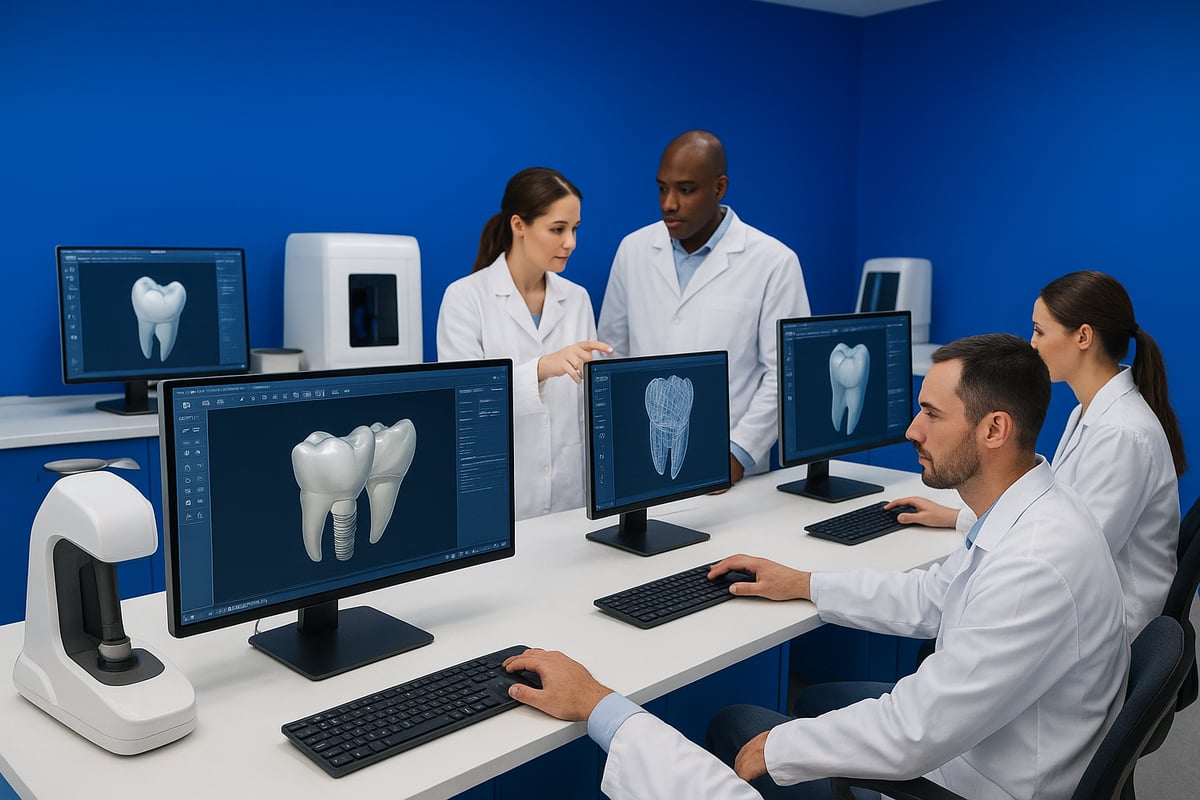
3Shape Dental System stands out as a leader in dental cad software, offering a comprehensive suite for labs and clinics. Its wide indication support includes crowns, bridges, dentures, implants, and aligners, all powered by advanced AI workflows. Integration with TRIOS and third-party intraoral scanners ensures flexibility, while cloud licensing boosts remote access and scalability.
Packages are highly customizable, from Complete to focused modules like Crown & Bridge. For those seeking detailed pricing insights, the 3Shape Software Pricing Guide provides a clear breakdown. Strong support, ongoing updates, and robust training resources make 3Shape a top choice for maximizing productivity and efficiency.
Exocad DentalCAD
Exocad DentalCAD is renowned for its open architecture and modular design, making it a versatile dental cad software for labs and clinics with diverse needs. Users can select from a broad range of restorative and orthodontic modules, adapting the platform to suit workflows from simple crowns to complex full-arch restorations.
Compatibility is a major strength, supporting multiple scanners, mills, and third-party solutions. The software’s extensive component libraries and reliable performance have earned it a loyal following worldwide. Exocad’s flexibility empowers users to future-proof their digital workflows and adapt as technology evolves.
Planmeca PlanCAD Easy & Premium
Planmeca’s PlanCAD Easy & Premium platforms integrate seamlessly into the company’s digital ecosystem, delivering a streamlined dental cad software experience for both chairside and lab environments. The intuitive user interface supports rapid onboarding, while powerful design tools enable the creation of everything from single crowns to complex implant cases.
A standout feature is the smooth hardware-software integration, ensuring that scans, designs, and manufacturing devices work together effortlessly. Planmeca’s solutions are ideal for practices and labs seeking an all-in-one system, with a workflow that moves from scan to restoration in a single, unified platform.
CEREC SW by Dentsply Sirona
CEREC SW by Dentsply Sirona is a proprietary dental cad software designed for reliability and consistency through its closed system. Real-time chairside design and milling enable single-visit dentistry, significantly enhancing patient satisfaction and practice efficiency.
CEREC’s training and support network is vast, helping users maximize the platform’s capabilities. With over 60,000 users worldwide, CEREC SW has become synonymous with efficient, high-quality digital workflows. Its emphasis on simplicity and integration makes it a trusted solution for clinics prioritizing speed and accuracy.
Dental Wings DWOS and DTX Studio (Envista)
Dental Wings DWOS and DTX Studio, from Envista, deliver flexible dental cad software options for both labs and clinics. DWOS is an open system, supporting a variety of indications and devices, while DTX Studio provides a comprehensive platform for diagnostics, implant planning, and surgical guide design.
Integration with imaging and diagnostic tools sets these platforms apart, enabling complex treatment planning and seamless collaboration. Their large user base attests to their reliability and adaptability in diverse clinical and laboratory settings, especially for implantology and multidisciplinary workflows.
Other Noteworthy Platforms (Zirkonzahn, Medit ClinicCAD, Romexis, Blue Sky Bio, etc.)
Several emerging dental cad software platforms are gaining traction for their specialized features and affordability. Zirkonzahn.Software excels in custom prosthetics and digital dentures, while Medit ClinicCAD offers a cost-effective solution for clinics entering the digital space.
Romexis, part of Planmeca’s suite, provides an all-in-one imaging and design environment. Blue Sky Bio stands out for its open-source approach and focus on surgical guides. These platforms empower small labs and independent clinicians to access high-quality digital workflows without significant upfront investment.
Integration Strategies: Maximizing Efficiency with Dental CAD Software
Unlocking the full potential of dental cad software hinges on seamless integration within your digital workflow. By connecting scanners, lab management systems, and manufacturing devices, you can optimize productivity, reduce errors, and deliver faster results. Let’s break down the strategies that will help you maximize efficiency with your chosen dental cad software.
Building a Seamless Digital Workflow
A truly efficient workflow starts with the integration of dental cad software alongside your digital scanners and manufacturing equipment. The typical journey begins with a digital impression, followed by CAD design, then CAM manufacturing, and finally restoration delivery.
Using a central case management hub, such as Dental Manager, allows for real-time tracking of every case. This reduces manual data input, minimizes errors, and ensures all team members are on the same page. Synchronizing patient and case data across systems leads to fewer mistakes and faster turnaround times.
For example, integrating a dental cad software platform with a lab management system can eliminate double entry of patient details. This simple change can save hours each week, letting your team focus on quality and precision for every case.
Open vs. Closed Ecosystems: Pros and Cons
Choosing between open and closed ecosystems is a pivotal decision when adopting dental cad software. Open systems offer flexibility, compatibility with a wide range of scanners and devices, and are generally more future-proof. Closed systems, in contrast, prioritize simplicity and consistent workflows, often with dedicated support and tighter integration.
Hybrid models are also emerging, letting practices enjoy the best of both worlds. Factors such as practice size, current equipment, and growth plans should inform your choice. For those interested in exploring the open approach, the Complete Open Dental Software Guide provides in-depth insights into open dental cad software ecosystems.
Comparing platforms like Exocad (open) and CEREC (closed) can help you pinpoint the right fit for your needs. Always assess how each system aligns with your long-term digital strategy.
Cloud Licensing and Remote Collaboration
Cloud licensing is transforming how dental cad software is accessed and managed. No more physical dongles—users enjoy remote access, instant updates, and the ability to collaborate across multiple locations. This flexibility is especially valuable for practices and labs with several sites or those outsourcing design work.
Collaboration features in cloud-enabled dental cad software allow clinics and labs to securely share files, designs, and case notes in real time. This reduces bottlenecks and keeps workflows moving smoothly. Data security and HIPAA compliance are top priorities, so always verify your provider meets industry standards.
Regular cloud updates ensure your team benefits from the latest features and improvements, keeping your digital dentistry practice ahead of the curve.
Outsourcing and Design Services
Demand spikes and complex cases can stretch internal resources. Dental cad software platforms now enable seamless integration with external design services and freelance technicians. This on-demand model is perfect for handling overflow or accessing specialized expertise when needed.
By outsourcing through integrated platforms, labs and clinics can reduce turnaround times, expand service offerings, and maintain consistent quality. However, it’s important to consider costs, data security, and quality control standards when choosing a provider.
Many dental cad software vendors offer their own design services or certified partners, making it easier to scale up quickly without compromising on results.
Training, Support, and Change Management
Adopting new dental cad software requires a thoughtful approach to training and change management. Comprehensive onboarding, ongoing education, and access to support resources are essential for maximizing return on investment.
Leverage vendor-led training programs, user communities, and peer-to-peer forums to help your team master new tools. Change management is key—get staff buy-in early and adapt workflows gradually to minimize disruption.
Metrics such as reduced errors, faster case completion, and improved satisfaction can help track the impact of your integration strategy. With the right support, your dental cad software investment will continue to pay dividends well into the future.
How to Choose the Right Dental CAD Software for Your Practice or Lab
Selecting the right dental cad software is a crucial step for any modern dental practice or lab. With so many platforms, features, and pricing models, the process can feel overwhelming. Focusing on your unique clinical workflows, business goals, and team capabilities will help ensure your investment delivers value from day one.
Assessing Clinical and Business Needs
Before exploring features, clarify your primary clinical workflows and business requirements. Are your main cases restorative, orthodontic, or implant-focused? Do you handle high volumes or specialty cases? Consider your current digital infrastructure, team size, and future plans.
List out must-have features for your dental cad software. For example, a lab specializing in dentures may prioritize advanced denture modules and robust design libraries. Smaller practices might value ease of use and support for single-visit dentistry. Defining these needs upfront helps filter options and prevents costly missteps.
Usability and User Experience
A user-friendly interface can dramatically boost productivity and staff satisfaction. Dental cad software with guided wizards and intuitive dashboards makes onboarding new team members much easier. Consider the training requirements for your staff, both initially and as you grow.
Look for platforms that offer customizable workflows suited to different skill levels. Peer feedback is essential, as 85% of users report higher satisfaction with solutions that provide robust onboarding and ongoing support. Trial versions and demos are helpful for evaluating real-world usability before making a commitment.
Automation, AI, and Customization
The best dental cad software now integrates AI-driven features to automate repetitive design steps. This technology not only saves time but also improves consistency and accuracy. Evaluate how each platform handles AI design units, predictive modeling, and workflow customization.
Some vendors impose fair usage policies, such as 1,200 AI design units per user per year, so consider your case volume. Customization is also key for specialty or complex cases, allowing you to tailor designs for unique patient needs. Assess how automation impacts efficiency and turnaround in your daily operations.
Integration, Compatibility, and Scalability
Seamless integration with scanners, mills, and existing software is vital. Check if your dental cad software supports open or closed systems, and how easily it connects with third-party devices. Cloud-based solutions offer flexibility and scalability for growing practices.
Here’s a quick comparison:
| Feature | Open System | Closed System |
|---|---|---|
| Flexibility | High | Moderate |
| Compatibility | Multiple vendors | Proprietary only |
| Upgrades | Easier | Controlled |
| Scalability | Strong | Variable |
If you plan to expand or operate across multiple locations, open, cloud-based dental cad software may be the best fit. Always account for future-proofing your investment.
Cost, ROI, and Support
Evaluate the total cost of ownership, beyond just the initial purchase. Consider subscription versus perpetual licensing, fees for updates, add-ons, training, and support. The right dental cad software should deliver measurable ROI through time savings, reduced errors, and improved patient satisfaction.
Take advantage of free trials or demos to assess fit before committing. Reliable support and access to community resources are essential for troubleshooting and ongoing education. For in-depth comparisons and user feedback on the top platforms, explore the Dental Software Reviews Hub.
Future Trends and Innovations in Dental CAD Software
The landscape of dental cad software is evolving at lightning speed, with new breakthroughs on the horizon. As we look toward 2026, four key trends are shaping the future of digital dentistry. Understanding these innovations will help your practice or lab stay competitive and deliver exceptional patient care.
AI and Machine Learning: The Next Frontier
Artificial intelligence is transforming dental cad software, making workflows smarter and more predictive. AI-powered tools now automate routine tasks, generate design proposals, and even flag potential clinical errors before they occur.
Machine learning algorithms adapt to user preferences and clinical outcomes, creating a personalized experience for every technician and dentist. With tools like AI-driven dental prosthetic design automation, labs can achieve fully automated dental reconstructions, boosting speed and precision.
By 2026, over 80% of new dental cad software solutions are expected to feature some level of AI integration. This means faster case turnaround, more consistent results, and a new era of digital dentistry.
Cloud-First and Remote Collaboration
Cloud-first strategies are redefining how dental cad software is accessed and used. Practices and labs can collaborate in real time, no matter their location, using secure cloud platforms.
Cloud licensing eliminates the need for physical dongles and allows for easy updates and remote troubleshooting. Multi-location dental groups are leveraging these tools to centralize workflows and standardize care across sites.
Enhanced security and compliance features protect sensitive patient data, while cloud-based platforms ensure business continuity, even during disruptions. This shift brings greater flexibility and scalability to digital dental workflows.
Expanded Indication Libraries and Digital Manufacturing
Dental cad software is expanding its range of supported indications, enabling even more restorative and orthodontic possibilities. Today’s platforms offer vast libraries with over 100 implant, tooth, and smile designs, supporting everything from crowns and bridges to digital dentures and aligners.
New materials and digital manufacturing methods, such as 3D printing and advanced milling, are now standard. Labs can produce full dentures or aligners in a single, seamless digital workflow.
This expanded capability allows practices and labs to broaden their service offerings, attract new patients, and compete more effectively in a crowded market.
Patient Engagement and Visualization Tools
Patient engagement is becoming a focal point in dental cad software development. Enhanced visualization tools, such as real-time smile design and treatment simulations, help patients see potential outcomes before committing to care.
Integration with patient communication platforms and mobile chairside tools makes shared decision-making easier. Clinics using CAD-based smile simulations report higher case acceptance and more satisfied patients.
Innovations like AI-powered dental imaging, as seen in Romexis 7 introduces AI-powered dental imaging, allow clinicians to educate and involve patients at every step. This patient-centric approach sets forward-thinking practices apart.
Smart Molars: Your Trusted Resource for Dental Software Decisions
Choosing the right dental cad software can feel overwhelming with so many options on the market. That’s where Smart Molars steps in as your go-to resource for clear, unbiased insights.
Smart Molars offers:
- In-depth reviews of leading dental cad software platforms
- Comprehensive comparison tables and feature breakdowns
- Expert buying guides tailored to your practice size and specialty
- Real user feedback to help you make confident choices
Their free resource hub covers everything from CAD, imaging, and billing to patient communication. Dental professionals trust Smart Molars for up-to-date, transparent advice that supports smarter decisions and better digital dentistry ROI.
Visit Smart Molars today to streamline your dental cad software selection process and maximize the value of your investment.