The dental industry is on the brink of a digital revolution as 2026 approaches. Practices that embrace new technologies will be better equipped to meet rising patient expectations and adapt to industry changes.
Selecting the right dental emr is now more crucial than ever. The right solution improves patient care, streamlines daily workflows, and supports compliance in an evolving regulatory landscape.
In this article, you'll discover seven essential dental emr solutions for 2026. We'll compare their features, pricing, pros and cons, and ideal use cases so you can make an informed decision for your practice.
Why Dental EMR Solutions Matter in 2026
In 2026, the dental industry stands at a crossroads, with digital technology reshaping how care is delivered and managed. The dental emr is no longer just a record-keeping tool, but a core driver of patient experience, compliance, and practice growth.
The Evolving Dental Practice Landscape
Dental practices today face rising expectations from patients who want digital convenience and real-time communication. The demand for seamless data sharing across healthcare providers is also pushing interoperability to the forefront. Regulatory changes, such as stricter HIPAA guidelines and the adoption of e-prescribing, require practices to stay agile and compliant.
The surge in teledentistry and remote care is transforming how dentists connect with patients. Practices now need systems that support virtual consultations and digital follow-ups. Additionally, the growing importance of analytics in practice management is fueling interest in tools that provide actionable insights.
The global dental market is projected to reach $36 billion by 2026, driven by an aging population and increased demand for advanced imaging and digital tools. According to Dental Market Growth Projections, these changes are accelerating the adoption of modern dental emr solutions.
Key Benefits of Advanced Dental EMRs
Adopting an advanced dental emr brings a host of benefits that go beyond simple digitization. Practices can manage patient records more efficiently, with instant access and secure storage. Automated scheduling, billing, and insurance processing reduce administrative workload and minimize errors.
Engaging patients becomes easier with features like online portals and automated appointment reminders. Workflow efficiency improves, as treatment planning and documentation are streamlined within a single platform.
Security is another major advantage. Modern dental emr solutions offer robust data backup, disaster recovery, and compliance features to protect sensitive patient information.
Trends Shaping Dental EMR Adoption in 2026
Several trends are guiding the evolution of dental emr systems in 2026. Artificial intelligence is powering diagnostic tools and automating charting, helping clinicians make faster, more accurate decisions. Cloud-based solutions allow practices to access data securely from any location, making them ideal for multi-site or remote operations.
Integration capabilities are expanding, with dental emr platforms connecting seamlessly to imaging devices, billing software, and third-party applications. Customization and scalability are also top priorities, enabling practices of any size to tailor their systems to unique workflows.
Staying ahead in dental care now means embracing these innovations. By choosing the right dental emr, practices can future-proof their operations and deliver better outcomes for both patients and staff.
7 Essential Dental EMR Solutions to Try in 2026
Choosing the right dental EMR can transform your practice, helping you deliver better care, streamline operations, and stay ahead in a dynamic landscape. In 2026, the options are more advanced and diverse than ever. Below, we break down seven must-consider dental EMR solutions, each with unique strengths to fit your needs.
Smart Molars: Your Trusted Dental Software Review Resource
When researching dental EMR, Smart Molars stands out as an invaluable, unbiased guide. This platform is dedicated to providing dentists and practice managers with comprehensive reviews and expert comparisons of leading dental EMR solutions.
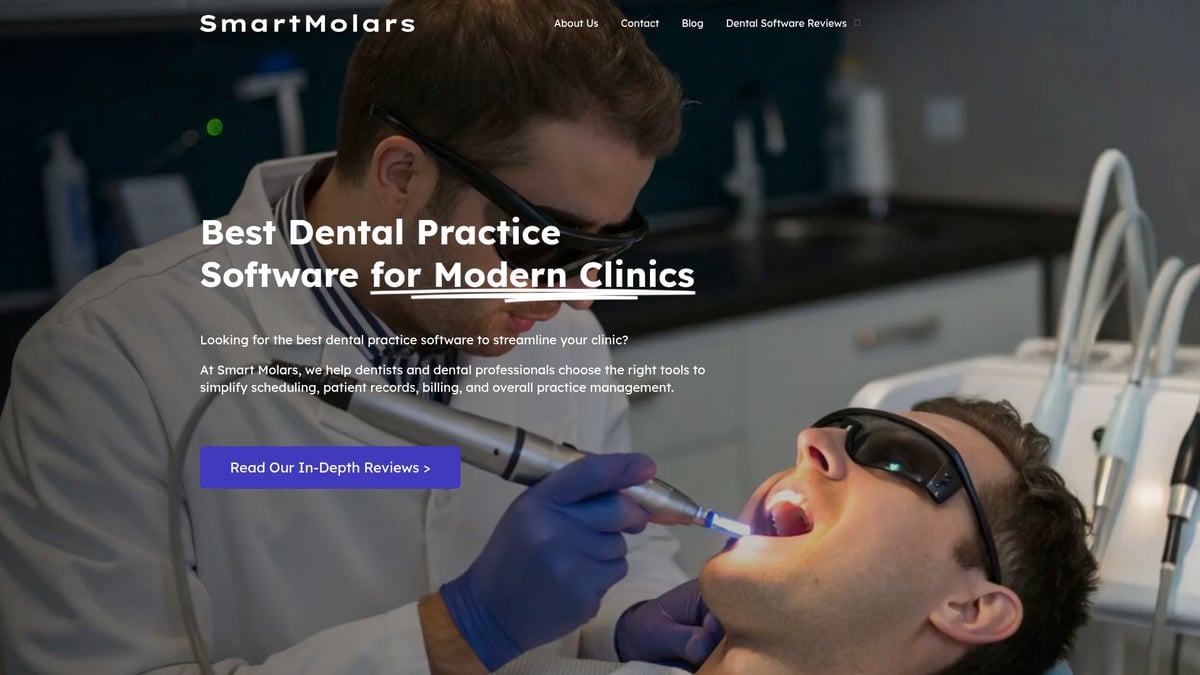
Smart Molars offers detailed guides, side-by-side software comparisons, and real user feedback, making it easier to navigate the crowded dental EMR marketplace. Their resources save you hours of research and increase your confidence as you choose the best dental EMR for your practice.
What sets Smart Molars apart is its independent, dental-specific focus. The site is regularly updated with the latest trends in dental SaaS and EMR technology, ensuring you always have the most current information.
Whether you are a solo dentist, part of a group practice, or a dental office manager, Smart Molars is tailored to your needs. The platform is especially useful for those looking to modernize with cutting-edge dental EMR features or keep up with regulatory changes.
With its actionable buying advice and up-to-date insights, Smart Molars is more than just a review site—it is your trusted partner in the journey to digital excellence.
Open Dental
Open Dental is a favorite among dental EMR solutions, especially for budget-conscious practices. Its open-source model means you pay an affordable licensing fee, making it an excellent choice for small to mid-size dental offices.
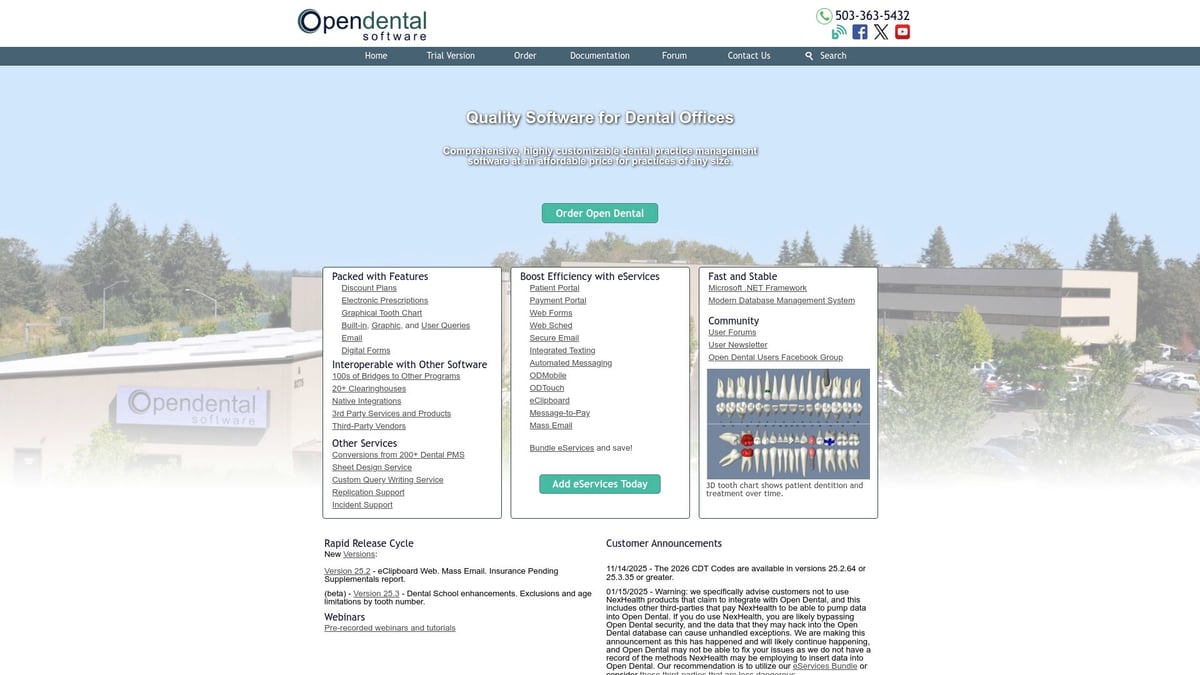
This dental EMR stands out for its robust scheduling, billing, patient record management, and customizable modules. Practices benefit from the flexibility to tailor workflows, thanks to a highly active user community that shares tips and enhancements.
Open Dental is highly adaptable. If you are comfortable with some technical setup, you can modify the system to fit your precise needs. This flexibility is ideal for practices that want control over their dental EMR without breaking the bank.
Pros include cost-effectiveness, a strong support network, and the ability to customize almost every aspect. However, it does require a bit of technical knowledge for initial setup and advanced customization, which may be a hurdle for less tech-savvy users.
Many practices use Open Dental to streamline daily operations, manage complex scheduling, and generate detailed reports. For an even deeper dive into its capabilities, check out this Open Dental software overview.
If you want a dental EMR that is affordable, flexible, and community-driven, Open Dental is worth serious consideration.
CareStack
CareStack is an all-in-one, cloud-based dental EMR designed for modern practices aiming to scale. With pricing starting at $698 per month, it targets growing dental groups and multi-location clinics that need centralization and robust support.
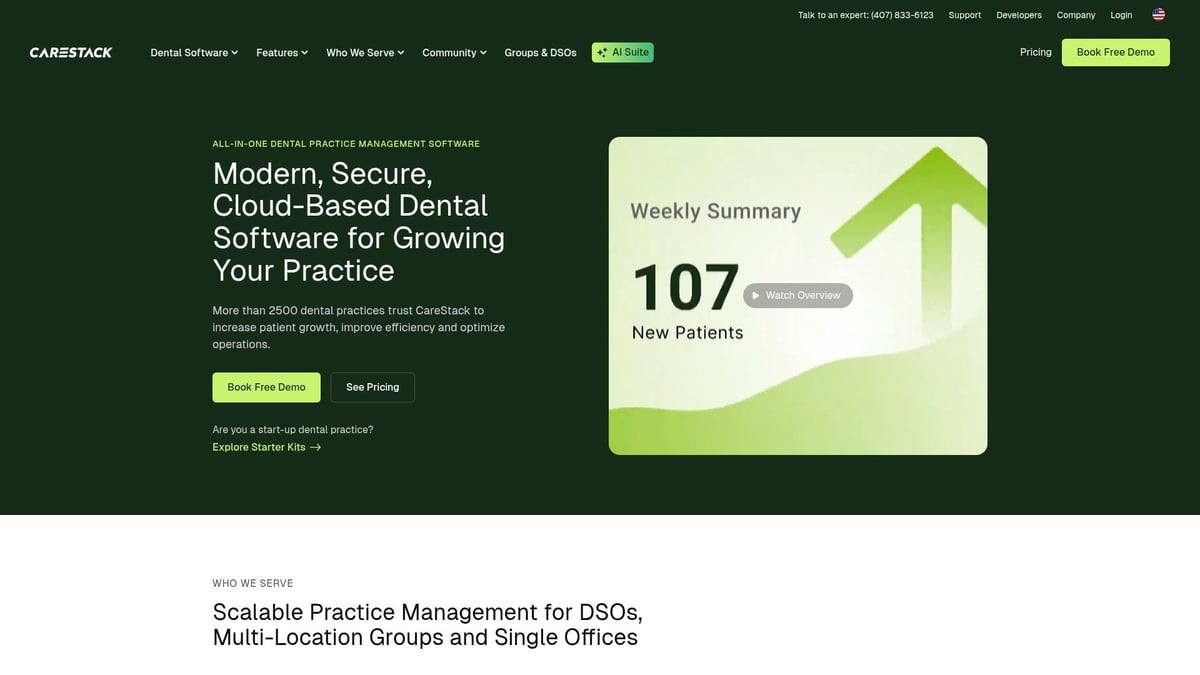
This dental EMR brings together scheduling, billing, charting, patient engagement, and analytics in a single platform. It is updated frequently, ensuring your practice has access to the latest features and compliance tools.
CareStack shines in its scalability and integration capabilities. Whether you operate a single practice or a DSO with multiple sites, you can manage everything from a unified dashboard. The onboarding process is comprehensive, and ongoing support is a key benefit.
Pros include a comprehensive feature set, strong integrations with third-party tools, and a user-friendly interface. On the downside, the higher upfront cost and a learning curve for advanced features may be barriers for smaller practices.
Many groups have found CareStack invaluable for streamlining workflows and gaining deeper insights into practice analytics. If your priority is to centralize management and embrace cloud technology, this dental EMR could be the future-proof solution you need.
Curve Dental
Curve Dental is a popular cloud-based dental EMR platform, known for its intuitive interface and remote accessibility. Pricing is subscription-based and available upon request, making it a good fit for practices that value simplicity and flexibility.
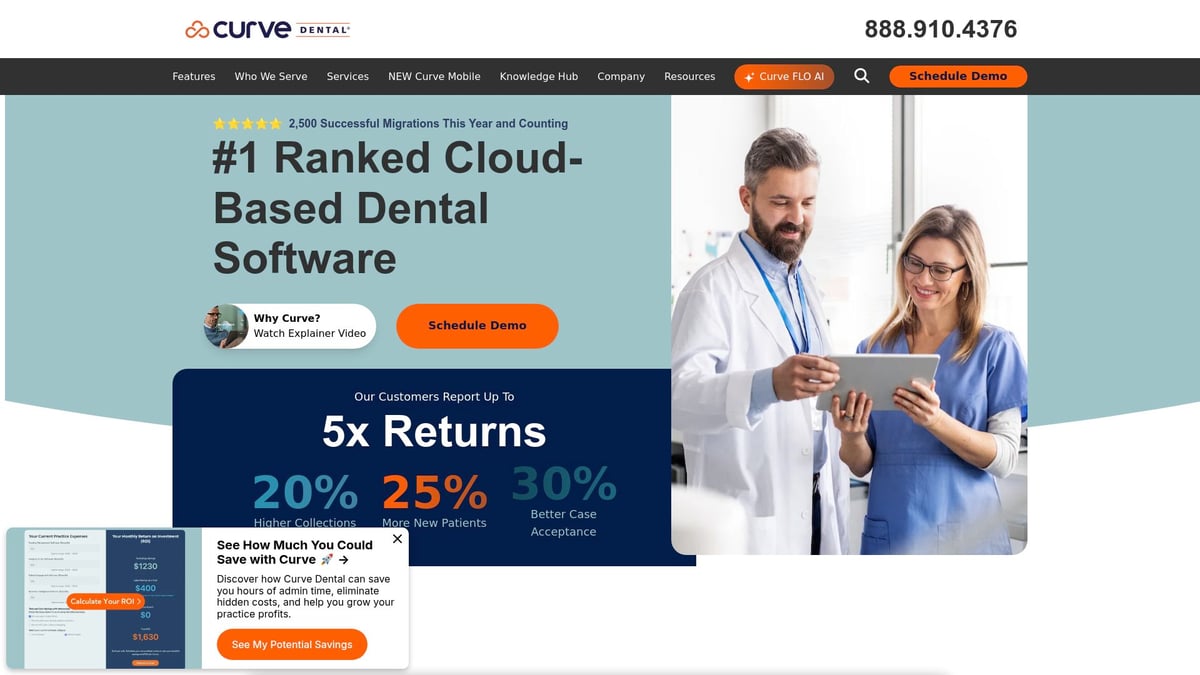
With Curve Dental, you get easy-to-use charting, scheduling, billing, and patient management—all accessible from any device. Automatic updates and secure cloud backups ensure your data is always safe and up-to-date without the need for manual maintenance.
The onboarding process is smooth, with reliable customer support making the transition to a new dental EMR less daunting. Curve Dental’s design focuses on reducing training time and minimizing disruptions to your workflow.
The main advantages are its user-friendliness, secure cloud access, and responsive support team. However, the platform has limited offline functionality and may become more expensive over time compared to some on-premise solutions.
Curve Dental is especially well-suited for practices that want to enable remote work or have multiple locations. Adopting this dental EMR means you can manage patient records and appointments from anywhere, creating a more agile practice.
Dentrix Ascend
Dentrix Ascend is a comprehensive dental EMR solution designed for mid-sized and large practices. With a subscription-based model and custom pricing, it scales effortlessly to support growing dental offices.
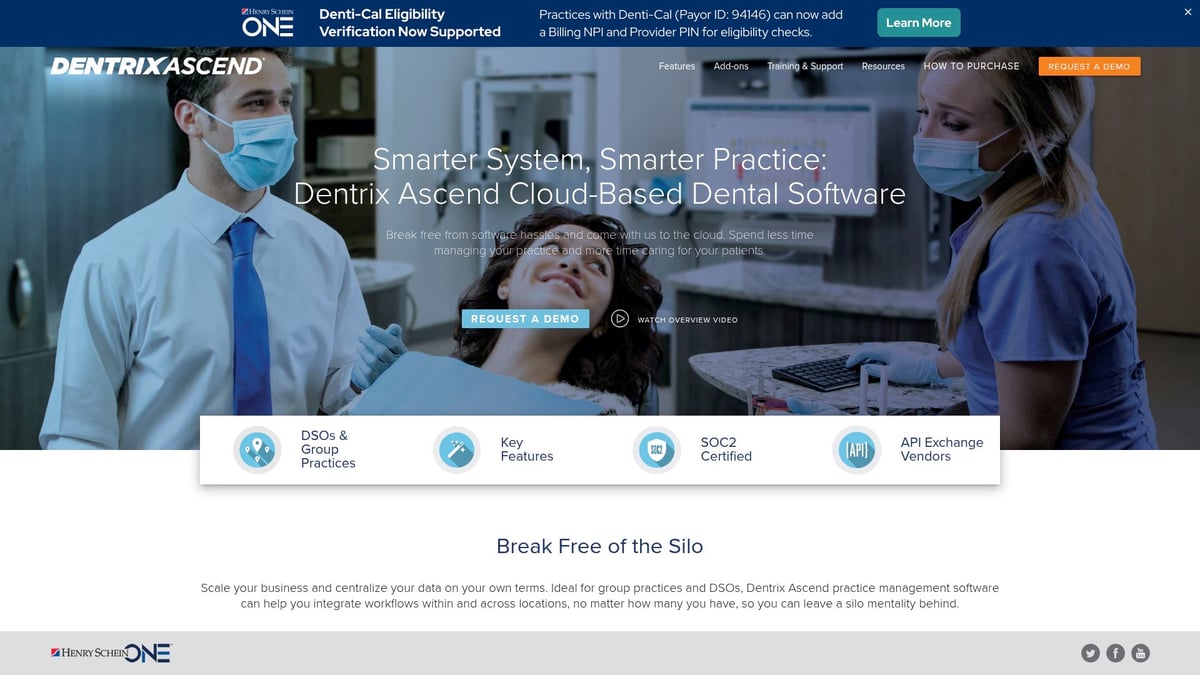
This dental EMR offers advanced clinical charting, scheduling, billing, insurance management, and robust patient communication tools. Its extensive integration options include imaging systems and labs, making it a versatile choice for complex practices.
A major benefit is the depth of training resources and customer support available, which helps teams quickly adapt to new workflows. Dentrix Ascend’s all-in-one approach simplifies the management of multiple practice locations and staff.
Pros include integrated solutions, strong third-party integrations, and a proven track record for supporting large practices. The main drawbacks are the higher cost and a steeper learning curve for those new to dental EMR systems.
Many large practices rely on Dentrix Ascend for unified management, streamlined communication, and scalable growth. Real-world experiences from users can be found in Dentrix Ascend user reviews, which provide valuable insights into daily usage.
If your practice needs a powerful, scalable dental EMR with robust support, Dentrix Ascend is a top contender.
Eaglesoft
Eaglesoft is an on-premise dental EMR solution favored by practices that want local data control and advanced clinical features. Pricing is based on custom quotes, reflecting your practice’s size and specific needs.
This dental EMR is known for its powerful clinical charting, seamless integration with digital imaging, and comprehensive scheduling and billing tools. Practices benefit from reliable customer support and trusted performance.
Eaglesoft’s strong imaging capabilities set it apart, making it a top choice for dental offices that require detailed clinical documentation. The local installation ensures data remains in-house, which appeals to practices with heightened security requirements.
Key advantages include advanced clinical tools, seamless imaging integration, and dependable support. However, the need for local IT maintenance and limited customization options may be drawbacks for some users.
Eaglesoft is ideal for practices that prioritize local data control and need deep clinical functionality in their dental EMR. It continues to be a trusted name among dental professionals who value stability and robust imaging.
Dental EMR
Dental EMR is a cloud-based solution that focuses on simplicity, accessibility, and compliance. With pricing starting at just $1 for a one-time entry and flexible monthly or yearly subscriptions, it is especially attractive for small to midsize practices.

This dental EMR features paperless management, a built-in referral system, patient relationship management, e-prescription, e-claims, and e-consent, all while ensuring HIPAA compliance. Practices can access the system from any device, making remote management and telehealth a breeze.
In-app support, bundled training, and ongoing feature updates provide peace of mind for busy dental teams. Dental EMR is easy to use, with a focus on streamlining communication between providers and patients.
The main pros are its intuitive design, integrated referral communication, and continuous updates. Limitations include basic practice analytics and some customization restrictions, which may affect larger or more specialized practices.
Dental EMR is particularly well-suited for endodontic offices and smaller practices needing a straightforward, compliant dental EMR. It empowers teams to manage patient care and referrals efficiently, even when working remotely.
How to Choose the Right Dental EMR Solution for Your Practice
Selecting the right dental emr solution can feel overwhelming, given the range of choices and features available. To make an informed decision, break down your selection process into manageable steps. This approach ensures your investment aligns with your practice’s needs, budget, and long-term goals.
Identify Your Practice Needs and Priorities
Begin by analyzing the specific requirements of your dental emr journey. Consider your practice size, whether you specialize or offer general dentistry, and how your team operates daily.
List your must-have features such as charting, integrated imaging, patient portals, and analytics. Think about whether you need mobile access or compatibility with other systems already in use. By clearly defining your priorities, you lay the foundation for a dental emr that truly supports your growth and efficiency.
Evaluate Pricing Models and Total Cost of Ownership
Understanding the true cost of a dental emr goes beyond subscription fees. Compare one-time licensing options with ongoing monthly or yearly subscriptions.
Factor in the expenses for setup, staff training, support, and any potential upgrades. For example, Open Dental is known for affordability, while CareStack and Dentrix Ascend offer premium pricing with expanded features. Make sure to calculate the total cost of ownership before making a commitment.
Assess Usability and Staff Training Requirements
The best dental emr solutions are intuitive and easy for your team to adopt. Look for user-friendly interfaces and customizable workflows that match your practice’s style.
Vendor-provided onboarding and ongoing support can significantly ease the transition. Feedback from users suggests Curve Dental is especially noted for easy onboarding, while Dentrix Ascend is praised for robust training resources. Prioritize solutions that minimize disruption and empower your staff to perform at their best.
Consider Security, Compliance, and Data Backup
Protecting patient data is vital when choosing a dental emr. Ensure any system you select is HIPAA compliant and offers secure data storage, encryption, and reliable backup options.
Decide between cloud-based or on-premise solutions based on your preference for data control and IT maintenance. Evaluate disaster recovery features and regular security updates to safeguard sensitive information.
Review Vendor Reputation and User Feedback
Before you finalize your dental emr selection, research vendor reputation and real-world user experiences. Analyze ratings, testimonials, and in-depth comparisons to uncover strengths and potential drawbacks.
Resources like CareStack dental software reviews offer unbiased insights and side-by-side evaluations, helping you make a confident, well-informed decision. Trustworthy feedback can save time and ensure your choice aligns with your practice’s unique needs.
Key Features and Innovations to Look for in 2026 Dental EMRs
Choosing the right dental emr in 2026 means looking beyond basic digital records. Today’s solutions are packed with advanced features that help dental practices work smarter, deliver better care, and stay compliant. Let's explore the most important innovations shaping the future of dental emr systems.
AI and Automation
Artificial intelligence is transforming every aspect of dental emr. From automating charting to providing AI-driven diagnostic suggestions, these tools save time and improve accuracy. Imagine a system that flags potential issues in X-rays or suggests optimal treatment plans automatically.
Many practices are already leveraging AI for faster billing and claims management. According to the AI Integration in Dental Practices, AI is reshaping diagnostics and planning, making dental emr not just a record-keeping tool but a true clinical partner.
- Automated charting and note generation
- Predictive analytics for treatment outcomes
- AI-driven reminders and follow-ups
Cloud-Based Accessibility and Mobility
Cloud-based dental emr solutions are essential for today’s flexible, multi-location practices. With data stored securely in the cloud, dentists and staff can access patient records from anywhere, whether at the clinic, at home, or on the go.
This mobility supports remote work and rapid collaboration. Updates and backups happen automatically, so practices never worry about losing data. Cloud dental emr platforms also make scaling up simple, making them a smart choice for growing practices.
- Secure access from any device
- Centralized management for multiple sites
- Automatic updates and backups
Enhanced Patient Engagement Tools
Modern dental emr systems put patient experience front and center. Features like online scheduling, secure messaging, and digital forms let patients take control of their care. Integrated patient portals allow easy access to records, treatment plans, and billing information.
Teledentistry is a major trend, giving patients the option for virtual consults. The Teledentistry Market Expansion underscores how dental emr with telehealth can meet the rising demand for remote dental care.
- Online appointment booking
- Patient portals with secure messaging
- Virtual consult and telehealth integration
Advanced Analytics and Reporting
Dental emr now goes beyond simple record keeping. Advanced analytics dashboards help practices track performance, financials, and patient outcomes in real time. Customizable reports make it easy to spot trends, manage productivity, and make better business decisions.
These tools turn raw data into actionable insights. By leveraging analytics, dental emr empowers practices to optimize workflows and improve care quality.
- Real-time performance dashboards
- Financial and clinical reporting
- Customizable data visualization
Seamless Third-Party Integrations
A modern dental emr must connect smoothly with imaging, billing, labs, and marketing tools. Seamless integrations eliminate duplicate data entry and streamline daily workflows. Open APIs also allow practices to future-proof their tech stack as new dental SaaS tools emerge.
This interconnected approach ensures all systems communicate, giving practices a comprehensive view of each patient’s journey.
- Imaging and lab integrations
- Billing and insurance software connections
- Open APIs for custom apps
Security and Compliance Upgrades
Security is non-negotiable for any dental emr in 2026. Multi-level encryption, granular user permissions, and audit trails keep patient data safe. Built-in compliance features help practices meet HIPAA and other regulatory standards.
Regular security updates and disaster recovery options provide peace of mind. Practices can focus on care, knowing their dental emr is protecting sensitive information around the clock.
- End-to-end encryption
- Role-based access controls
- Automated compliance and security updates
Frequently Asked Questions About Dental EMR Solutions
Choosing a dental EMR can feel overwhelming. Below, we address the most common questions that dentists and practice managers have about dental EMR systems, focusing on features, costs, compliance, and more.
What is the difference between cloud-based and on-premise dental EMR?
Cloud-based dental EMR solutions are accessible from any location, offer automatic software updates, and typically have lower upfront costs. In contrast, on-premise systems store data locally, giving practices full control but requiring more IT support and maintenance. For a closer look at how digital technologies are shaping the market, see the Dental Practice Management Software Market Analysis.
How do I ensure a dental EMR is HIPAA compliant?
To confirm HIPAA compliance, check for certifications, encryption standards, and clear vendor documentation. Ask your dental EMR provider about regular security audits and staff training. HIPAA-compliant dental EMR solutions should offer features like secure access, audit logs, and encrypted data storage to keep patient records safe.
Can dental EMRs integrate with imaging and billing software?
Most modern dental EMR platforms are built to integrate smoothly with imaging tools, billing systems, and other essential dental software. Before choosing, verify compatibility with your existing equipment and software. Some solutions, such as Curve Dental, are known for their robust integrations. For more on integration-friendly platforms, read the Curve Dental features and benefits.
What are the typical costs associated with dental EMR solutions?
Costs for dental EMR solutions vary widely. Open-source or affordable options like Open Dental and Dental EMR have lower entry fees, while platforms such as CareStack and Dentrix Ascend are premium-priced. Remember to factor in ongoing subscriptions, support, training, and possible upgrade costs when evaluating your total investment.
How long does it take to implement a new dental EMR?
Implementation time depends on the dental EMR you select and the size of your practice. Cloud-based solutions often allow for faster onboarding, sometimes within days or weeks. Comprehensive training and vendor support can speed up adoption, making the transition smoother for your entire team.
Where can I find unbiased reviews and comparisons of dental EMR software?
For trustworthy, independent reviews and comparisons of dental EMR platforms, turn to expert resources like Smart Molars. These sites offer side-by-side analyses, real user feedback, and up-to-date information, helping you make an informed decision for your dental practice.