Imagine if every patient question at your dental office was answered instantly, every appointment reminder was sent on time, and your front desk team could focus on care instead of phone calls. In 2025, dental patient communication software is making this a reality for clinics everywhere. This guide helps you navigate the latest advancements, essential features, and top solutions in dental patient communication software. Discover the trends, integration strategies, implementation steps, and ROI insights you need to elevate patient engagement and efficiency in your practice.
The Evolution of Dental Patient Communication Software
Dental patient communication software has come a long way in recent years, transforming how dental practices connect with their patients. In today’s fast-paced world, seamless communication is no longer a luxury but a necessity for both clinics and patients. Let’s explore how this technology has evolved and what’s shaping its future.
The Shift from Traditional to Digital Communication
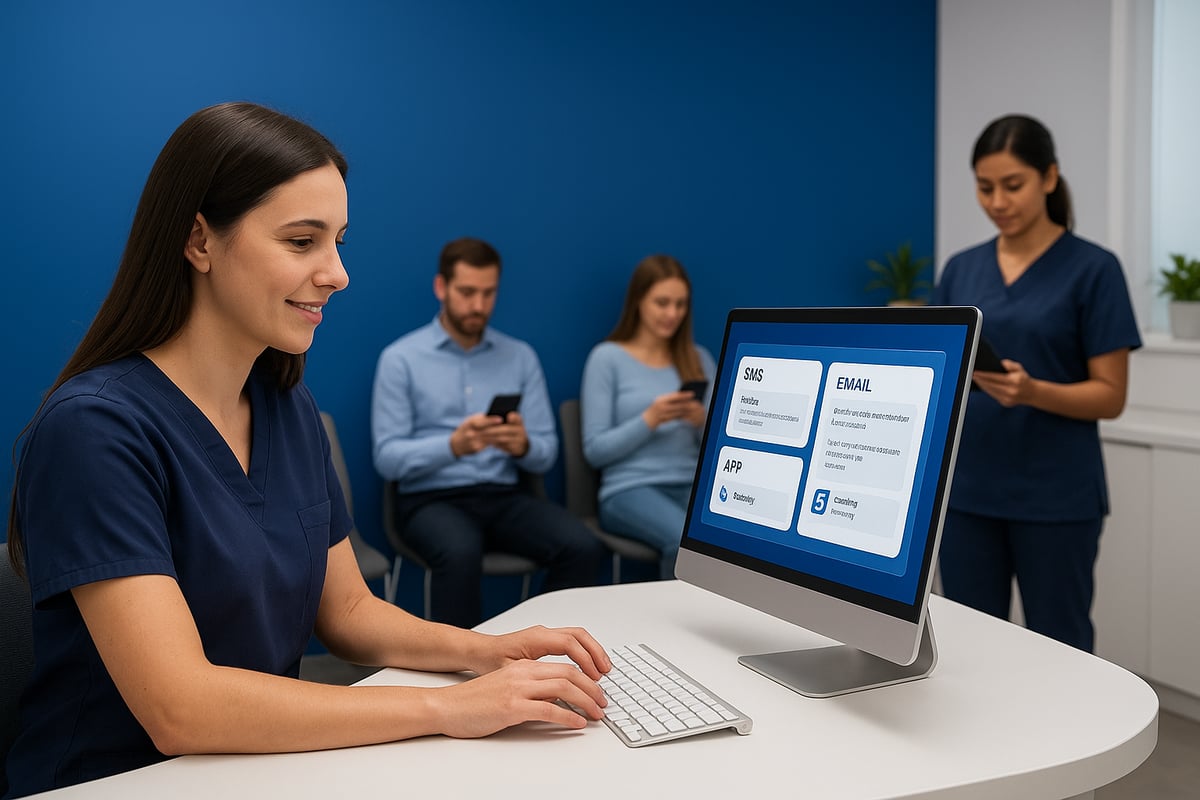
Not long ago, dental practices relied on phone calls, postcards, and manual reminder systems to reach their patients. While these methods worked for decades, they often led to missed connections and scheduling errors. As technology advanced, patient expectations changed dramatically. People now want instant responses and the freedom to communicate on their own terms.
The emergence of SMS, email, and app-based messaging has made dental patient communication software a game-changer. For example, Dental Intelligence’s two-way texting and push notifications allow practices to respond to questions in real time. This digital shift isn’t just about convenience—it’s about meeting patients where they are.
Consider this: Over 80% of patients now prefer text or digital reminders instead of traditional phone calls, according to industry surveys. The COVID-19 pandemic accelerated this trend, pushing clinics to adopt digital tools faster than ever before. Those still using outdated communication methods often face challenges like missed appointments, frustrated patients, and overwhelmed staff.
Here’s a quick comparison of old vs. new communication methods:
| Method | Traditional Tools | Digital Tools |
|---|---|---|
| Reminders | Phone, postcards | SMS, email, push notifications |
| Scheduling | Manual calls | Online portals, app-based booking |
| Response time | Hours/days | Instant or within minutes |
| Patient preference | Declining | Growing rapidly |
With dental patient communication software, clinics can now bridge the gap between what patients expect and what practices can deliver.
Key Trends Shaping 2025
Looking ahead, several powerful trends are redefining dental patient communication software in 2025. AI-powered chatbots are now handling routine inquiries, providing instant answers and freeing up staff for more complex tasks. Practices are adopting unified platforms that consolidate texts, emails, and app messages into a single, easy-to-manage thread.
Automated mass communication is also on the rise, enabling quick outreach for recall campaigns, promotions, or urgent updates. Advanced segmentation and personalization let teams send the right message to the right patient at the right time. Integration with practice management and analytics systems is becoming the norm, ensuring that all data syncs in real time across platforms.
Cloud-based, mobile-accessible solutions are empowering teams to support patients even after hours. Security and compliance remain top priorities, with robust HIPAA and GDPR features now standard in leading platforms.
To dive deeper into these innovations, check out the Top Trends in Dental Software for 2025, where you’ll find a comprehensive look at AI integration, automation, and cybersecurity in dental technology.
As dental patient communication software continues to evolve, staying current with these trends will help practices deliver exceptional experiences and remain competitive in a changing landscape.
Core Features and Capabilities to Expect in 2025
Dental patient communication software in 2025 is transforming the way dental teams connect with patients. The latest platforms bring together multiple communication channels, automation, analytics, and robust security, all designed to elevate patient engagement and practice efficiency. Let’s explore the core features you can expect.
Omnichannel Communication Tools
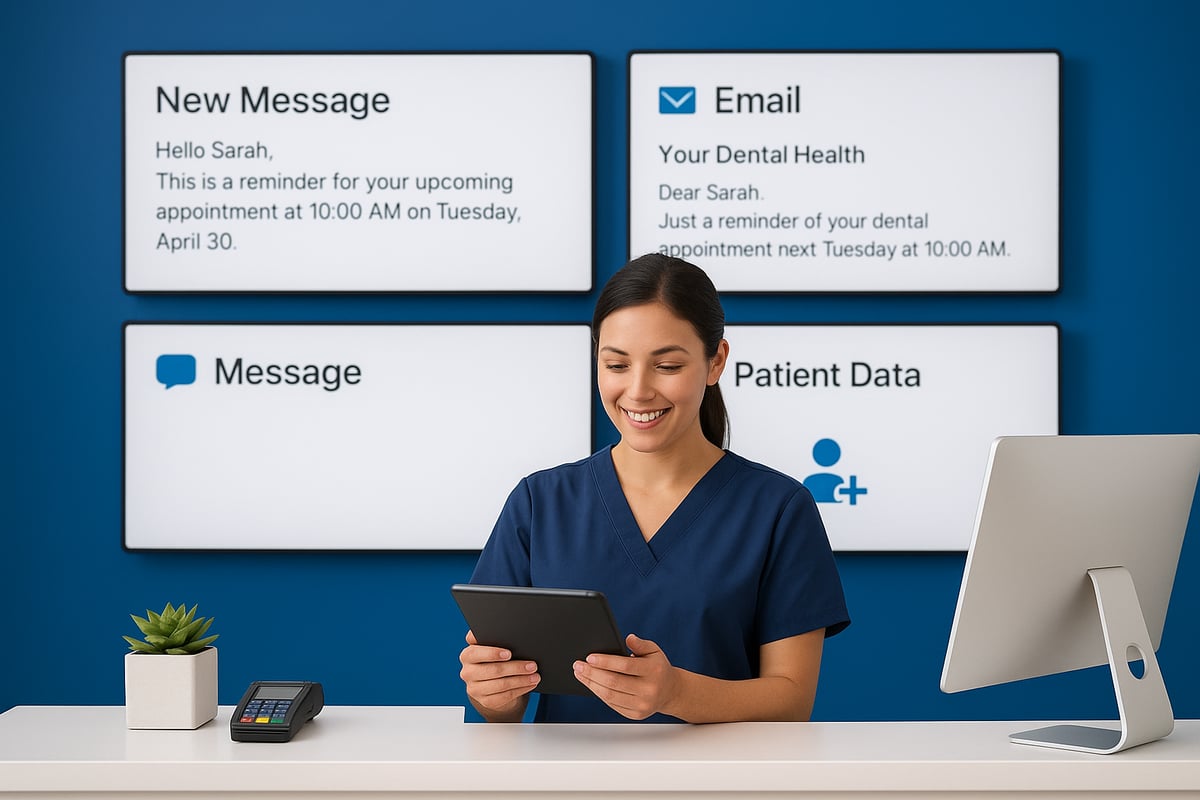
Modern dental patient communication software supports seamless two-way texting, email, and push notifications through mobile apps. All conversations are consolidated in one thread, making it simple for teams to track interactions and respond quickly.
Customizable templates let you answer common questions in seconds, using personalized placeholders for patient names and appointment details. Tools like Dental Intelligence’s Patient Chat provide a unified view for every patient conversation. Practices can easily switch between channels as needed, ensuring patients always feel heard.
For a deeper dive into these capabilities, check out the Patient Communication & Engagement Guide, which outlines strategies for maximizing patient engagement using omnichannel tools.
Automated Reminders, Recalls, and Confirmations
Automated reminders are a game-changer for reducing no-shows and last-minute cancellations. Dental patient communication software can send appointment reminders through the patient’s preferred channel, whether that’s text, email, or app notification.
Recall campaigns help bring back patients who are overdue for hygiene visits. Confirmation requests are simple, often allowing patients to confirm with a quick reply. According to industry data, practices using automated reminders have seen no-shows drop by as much as 30 percent.
This automation saves staff hours each week and ensures no patient falls through the cracks.
Mass Communication and Segmentation
Broadcasting urgent updates, seasonal promotions, or policy changes is easy with dental patient communication software. Mass messaging tools allow you to target specific groups based on demographics, treatment status, or appointment history.
For example, you can send flu season updates to at-risk patients or alert all families about new office hours. Advanced segmentation ensures your messages reach the right audience every time.
Customizable templates streamline the process, saving staff time and ensuring consistency in every message sent.
Integration with Practice Management Software (PMS)
Integrating dental patient communication software with your PMS is essential for real-time data syncing. This connection keeps patient contact info, appointment schedules, and communication logs up to date in both systems.
Bidirectional documentation ensures every message is logged, avoiding duplicate outreach and confusion among team members. Full integration, like what Dental Intelligence offers, means your staff can focus on patient care instead of manual updates.
Seamless integration also reduces errors and improves the overall patient experience.
Analytics, Reporting, and Performance Insights
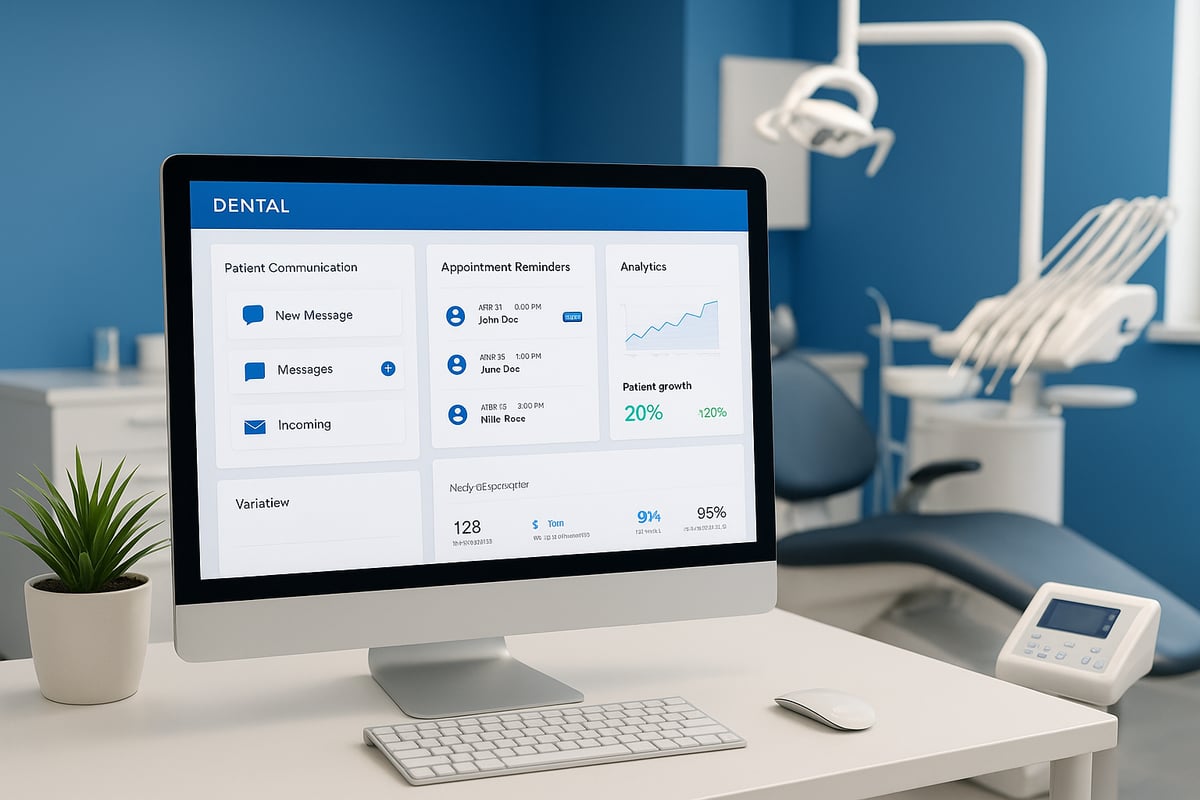
Data-driven decision-making is at the heart of dental patient communication software in 2025. Analytics dashboards track engagement rates, response times, and outcomes from each communication channel.
Practices can identify communication gaps, spot at-risk patients, and measure the effectiveness of their outreach. For example, offices using analytics have boosted patient engagement scores by up to 25 percent.
Regular reporting helps you fine-tune strategies, ensuring your communication efforts deliver the best possible results.
Security, Compliance, and Privacy Controls
Protecting patient data is non-negotiable. Dental patient communication software now comes with end-to-end encryption, HIPAA-compliant messaging, and secure cloud-based storage.
User access controls and audit trails keep sensitive information safe, while mobile access allows authorized staff to communicate securely from anywhere. Vendors are prioritizing privacy and compliance, giving both practices and patients peace of mind.
With robust security in place, you can focus on building strong patient relationships and delivering outstanding care.
Benefits of Dental Patient Communication Software for Practices and Patients
Adopting dental patient communication software brings measurable advantages for both dental practices and the patients they serve. By modernizing the way clinics connect with patients, this technology transforms daily operations, boosts satisfaction, and creates a more seamless experience for everyone involved.
Enhanced Patient Engagement and Satisfaction
Dental patient communication software meets patients where they are most comfortable: on their phones, email, or apps. Instant responses and real-time updates reduce anxiety and create a sense of trust. Patients appreciate the ability to self-schedule, confirm appointments, and access information 24/7.
For example, practices report positive feedback when patients can message the office outside business hours. Features like automated FAQs and tailored reminders help answer questions quickly. To see how leading tools drive engagement and satisfaction, check out the 8 Essential Healthcare Communication Tools for 2025.
Improved Operational Efficiency and Staff Productivity
By automating routine tasks such as appointment reminders and confirmations, dental patient communication software frees up front desk staff to focus on in-person care. Practices can reduce the volume of outbound calls and manual paperwork, streamlining workflows and minimizing errors.
Offices often report up to 40 percent reduction in front desk workload thanks to these automations. Staff can dedicate more time to assisting patients directly, leading to a better overall experience in the clinic.
Increased Appointment Adherence and Revenue
Dental patient communication software helps ensure patients remember and attend their appointments. Automated reminders and easy confirmation options significantly lower no-show rates and last-minute cancellations. This directly boosts appointment adherence and practice revenue.
Practices using mass communication features can quickly fill last-minute openings or follow up on unscheduled treatments. The result is more completed treatments, better patient outcomes, and a healthier bottom line for the business.
Strengthened Patient Relationships and Loyalty
Personalized communication is a cornerstone of dental patient communication software. Practices can send timely follow-ups after procedures, share educational content, and offer loyalty programs through patient portals.
Consistent outreach builds rapport and keeps patients engaged with their care journey. Over time, this strengthens trust and increases the likelihood that patients will return for future visits and recommend the practice to others.
Better Staff Experience and Reduced Burnout
When dental patient communication software is fully integrated, staff experience less multitasking and confusion. Centralized communication logs and mobile access allow team members to respond efficiently, whether on-site or remotely.
Testimonials from office managers highlight improved morale and reduced burnout. Streamlined workflows mean fewer errors, less stress, and a more positive work environment for everyone in the practice.
How to Choose the Right Dental Patient Communication Software
Selecting the best dental patient communication software for your clinic is a decision that can transform your patient relationships and streamline daily operations. With so many solutions available, it is important to follow a practical process to find the perfect fit for your unique needs.
Assessing Your Practice’s Needs and Goals
Start by identifying the communication challenges your practice faces. Are missed appointments a recurring issue, or do patients request more convenient communication channels? Understanding these pain points will guide your search for dental patient communication software.
Involve your team in the discussion to gather feedback from dentists, hygienists, and front desk staff. Set clear goals, such as reducing no-shows, improving appointment confirmations, or increasing patient engagement. Consider practice size, specialty, and patient demographics to ensure the software aligns with your workflow and growth plans.
Comparing Leading Solutions and Features
Once you know your needs, compare the top dental patient communication software options side by side. Look for features like two-way texting, automated reminders, mass messaging, and analytics. Prioritize solutions that offer seamless integration with your existing practice management system.
Here’s a quick comparison of key features:
| Feature | Solution A | Solution B | Solution C |
|---|---|---|---|
| Two-way texting | ✔️ | ✔️ | ✔️ |
| PMS integration | ✔️ | ✔️ | ❌ |
| Analytics dashboard | ✔️ | ❌ | ✔️ |
| HIPAA compliance | ✔️ | ✔️ | ✔️ |
For in-depth, unbiased reviews and user testimonials, visit the Dental Software Reviews Hub to help narrow down your shortlist.
Expert Reviews and Guidance from Smart Molars
The dental patient communication software market is crowded, making it challenging to distinguish between real innovation and marketing hype. Smart Molars offers expert reviews, side-by-side comparisons, and actionable insights to guide your decision.
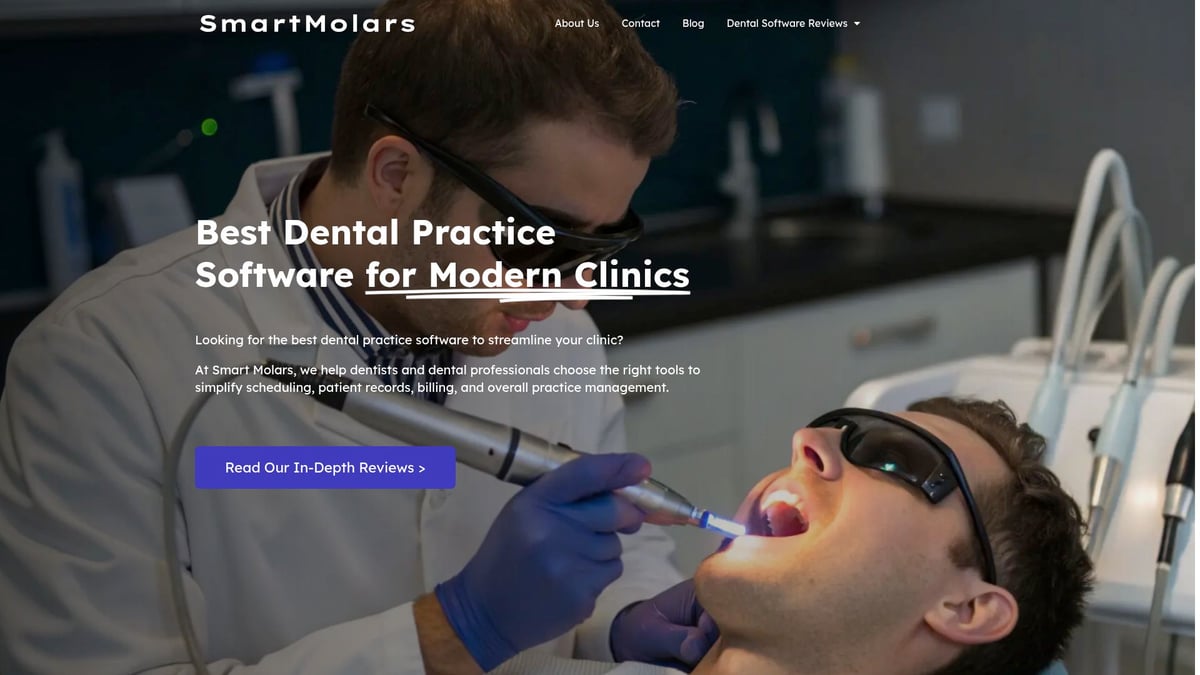
Rely on their independent expertise to evaluate features, pricing, and user experiences. Their resources can help you avoid common pitfalls and find a software solution that delivers lasting value to your practice.
Evaluating Integration and Support
Seamless integration with your existing systems is critical for maximizing the value of dental patient communication software. Confirm that the platform syncs in real time with your practice management software, so appointments and patient records stay up to date.
Ask about onboarding, training, and ongoing support. A vendor with responsive customer service and regular updates will help you avoid disruptions and ensure your team feels confident using new tools.
Budgeting and Calculating ROI
Budget is always a consideration, but remember to look beyond the sticker price. Compare pricing models, such as monthly subscriptions or per-user fees. Calculate the potential return on investment by estimating cost savings from fewer no-shows, improved efficiency, and higher patient retention.
Many practices find that dental patient communication software pays for itself within the first year. Track key metrics to ensure you are meeting your goals and making the most of your investment.
Implementation Best Practices: Steps to Success in 2025
Rolling out dental patient communication software successfully requires a structured approach that balances technology, people, and process. To guide your practice through a smooth transition, follow these actionable steps and ensure your team is set up for long-term success.
Step 1: Planning and Goal Setting
Begin your journey with dental patient communication software by defining clear objectives. Are you aiming to reduce no-shows, improve patient engagement, or streamline front desk workflows? Involve key stakeholders such as dentists, office managers, and front desk staff in these discussions.
Set measurable KPIs that reflect your goals. For example, track no-show rates, average response times, or patient satisfaction scores. Staying aligned with broader industry trends, like those highlighted in 5 Tech Trends DSOs Can’t Ignore in 2025, ensures your plan is future-ready.
Step 2: Data Preparation and Integration
Clean and update your patient contact information before introducing dental patient communication software. Accurate data is the foundation for effective reminders and outreach.
Map out integration points with your practice management system and other existing software. If you are switching platforms, allocate time for secure data migration. Ensure that all patient records, appointment histories, and communication logs are properly transferred and synced.
Step 3: Staff Training and Change Management
Schedule hands-on training sessions for everyone who will use dental patient communication software. Develop quick-reference guides and troubleshooting resources to support your team as they adapt.
Foster an open culture around digital adoption. Encourage staff to provide feedback and share any challenges they encounter. By addressing concerns early, you can boost confidence and utilization across your team.
Step 4: Patient Onboarding and Communication
Announce your new communication channels to patients, highlighting the benefits of dental patient communication software. Use multiple touchpoints, such as emails, texts, or in-office signage, to reach everyone.
Provide clear instructions for using patient portals, mobile apps, or self-service features. Be transparent about how their data will be used, and always obtain consent for digital communications. This builds trust and encourages patient participation.
Step 5: Monitoring, Optimization, and Continuous Improvement
Track usage metrics, engagement rates, and patient feedback to evaluate how well dental patient communication software is performing. Adjust templates, outreach strategies, and workflows based on real-world results.
Schedule regular reviews to ensure your goals are being met and to identify new opportunities. Leveraging analytics, as discussed in Analytics and Intelligence in Dentistry, can help you pinpoint gaps and make data-driven decisions for ongoing improvement.
Common Pitfalls and How to Avoid Them
Avoid over-automating your communications, which can make interactions feel impersonal. Ensure staff training is thorough to prevent underutilization of dental patient communication software.
Keep patient contact information up to date to minimize missed messages. If challenges arise, reach out to your software provider for ongoing support and resources.
| Pitfall | Solution |
|---|---|
| Over-automation | Balance automation with a personal touch |
| Inadequate staff training | Schedule regular training updates |
| Outdated patient contact info | Review and update records quarterly |
| Lack of ongoing optimization | Monitor metrics and adjust often |
By following these steps, your practice can confidently implement dental patient communication software, setting the stage for improved engagement, efficiency, and patient loyalty.
The Future of Dental Patient Communication: What’s Next?
Change is on the horizon for dental patient communication software. As 2025 approaches, practices are preparing for a new era of digital engagement where technology bridges gaps, improves care, and empowers both teams and patients. Let’s explore the future and see how your practice can stay ahead.
AI and Automation Advancements
AI is quickly reshaping dental patient communication software. Predictive analytics now help practices identify patients most likely to miss appointments or need reminders. AI-powered chatbots handle routine questions, schedule visits, and even triage urgent concerns, freeing up staff for more complex tasks.
Automation goes beyond simple reminders. With advanced workflows, software can send follow-up messages tailored to each patient’s treatment plan. The result is less manual effort and more consistent patient outreach, helping practices maintain high engagement levels.
Deeper Personalization and Patient Experience
Personalization is at the heart of the next wave of dental patient communication software. Messaging is becoming hyper-targeted, using patient history, preferences, and even real-time behaviors to craft relevant outreach. Imagine reminders that know your favorite appointment times or educational content tailored to your treatment journey.
Integration with wearable health devices and telehealth platforms is gaining traction, offering patients seamless care from home or on the go. Real-time translation and accessibility features break down language barriers, making care more inclusive. For more on these innovations, check out the Dental Trends of 2025: Top 15 Trends in Dentistry.
Expanding Integration Ecosystems
Dental patient communication software is no longer a standalone tool. Practices are demanding systems that sync with billing, marketing, and clinical platforms. Unified dashboards give teams a complete view of patient interactions, financials, and care outcomes.
This integration streamlines workflows and reduces errors. For instance, when a patient confirms an appointment, the update appears instantly across all relevant systems. Practices can then use analytics to fine-tune their communication strategies, driving both efficiency and growth.
Regulatory and Security Innovations
As digital communication expands, so do concerns about privacy and compliance. Dental patient communication software is evolving with enhanced patient consent management, stricter access controls, and robust encryption.
Vendors are updating platforms to stay ahead of changing HIPAA and global data standards. Secure, cloud-based solutions ensure that patient data is both accessible and protected, even as teams work remotely or across multiple locations.
Preparing Your Practice for Ongoing Change
Staying current with dental patient communication software means more than just adopting new tools. It requires a mindset of continuous learning and adaptability. Practices should monitor emerging technologies, partner with trusted advisors, and regularly review their communication strategies.
By building a flexible foundation now, your team will be ready to embrace future advancements, keep patients engaged, and thrive in a rapidly changing dental landscape.