The rapid evolution of dental technology is reshaping patient care and practice workflows, and the dexis dental sensor stands at the center of this transformation. As digital sensors become standard in modern dentistry, staying informed is crucial.
This guide offers essential insights into dexis dental sensor advancements for 2026. You'll discover the latest models, key features, practical benefits, and expert guidance for seamless integration.
Ready to unlock improved diagnostics and streamline your practice? Explore this comprehensive resource to make confident, future-ready decisions in digital dentistry.
Understanding Dexis Dental Sensors: Technology & Advancements
Advances in digital dentistry have placed the dexis dental sensor at the center of modern clinical workflows. To understand why, let’s explore the evolution, science, innovations, and software integration that define Dexis technology in 2026.
Evolution of Dexis Sensor Technology
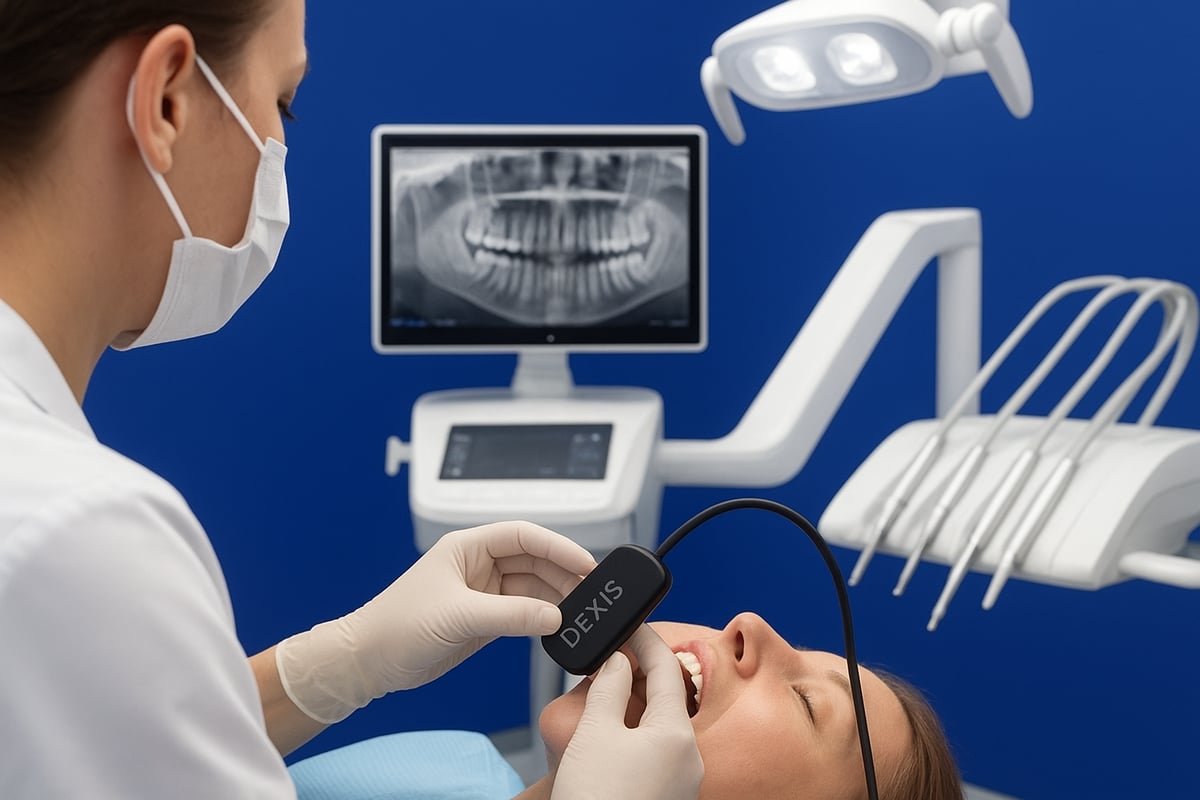
The journey of the dexis dental sensor began with early digital models that replaced film and streamlined dental imaging. Over the years, Dexis introduced significant milestones, such as the Titanium and IXS sensors, which set new industry benchmarks. These advancements brought sharper images, enhanced durability, and seamless workflow integration.
Miniaturization and ergonomic improvements have made sensors more comfortable for patients, while also boosting reliability. Dexis sensors are now widely adopted, with digital sensor usage in dental practices rising steadily worldwide. The introduction of Titanium and IXS marked leaps in both image quality and user experience, making Dexis a standard-bearer for intraoral imaging.
How Dexis Sensors Work: The Science Behind the Image
A dexis dental sensor captures X-ray images using advanced digital radiography. Inside each sensor, a scintillator converts X-rays into visible light, which is then detected by CMOS or CCD technology housed within a protective shell. This process ensures clear, detailed images for diagnosis.
The workflow is fast and efficient. The sensor captures the image, which is instantly processed and displayed on a screen for immediate review. Compared to traditional film, Dexis sensors offer quicker imaging, higher clarity, and lower radiation exposure. Studies show that practices using Dexis sensors experience fewer image retakes, thanks to their real-time imaging capabilities and reliable performance.
Key Features & Innovations in Dexis Sensors (2026 Edition)
The 2026 dexis dental sensor lineup boasts enhanced image resolution and powerful diagnostic tools. Wireless connectivity and smart software integration streamline daily routines. AI-powered features, such as image enhancement and diagnostic suggestions, help clinicians detect issues with greater accuracy.
Durability improvements include waterproofing, reinforced cables, and shock resistance, extending sensor lifespan. Patient comfort is also prioritized, with various sensor sizes, rounded edges, and flexible positioning. For more on how AI and imaging tools are shaping these advancements, explore the Imaging and Clinical AI Tools page for deeper insights into the latest Dexis technology.
Compatibility & Integration with Dental Software
Seamless integration is a core strength of the dexis dental sensor. The Dexis ecosystem connects imaging, charting, and practice management software for a unified workflow. Plug-and-play compatibility with major dental platforms simplifies setup and daily use.
Cloud storage and remote access options support tele-dentistry, while third-party EHR and imaging solutions ensure flexibility. Many multi-location practices rely on Dexis sensors for consistent imaging quality and data accessibility. Currently, a growing percentage of dental offices use Dexis sensors in tandem with cloud-based practice management systems, reflecting the trend toward digital transformation.
Comparing Dexis Sensor Models: Titanium, IXS, and More
Choosing the right dexis dental sensor can shape the efficiency, comfort, and diagnostic power of your dental practice. With evolving technology, Dexis offers several advanced options tailored to different clinical needs. Let's break down the flagship models, compare their strengths, and explore what else is available in the 2026 lineup.
Dexis Titanium: Flagship Features & Benefits
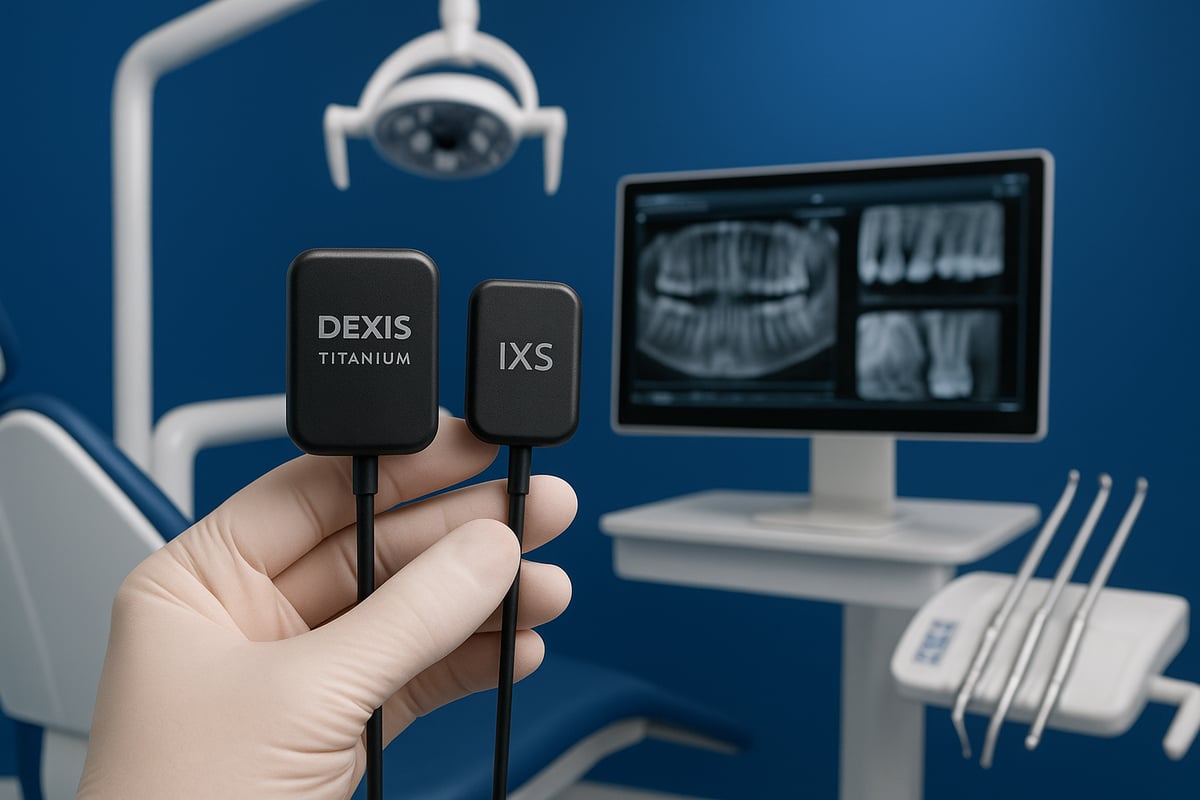
The Dexis Titanium stands as a benchmark in the dexis dental sensor market, offering ultra-high-definition imaging that elevates diagnostic accuracy. Its Smart Sensor technology enables auto-activation, orientation detection, and seamless calibration, streamlining daily workflows for dental teams.
Durability is a highlight, with a waterproof, drop-tested body and reinforced cable that withstands heavy use. Patients benefit from its ergonomic design, which includes rounded edges and flexible positioning for improved comfort. Integration is effortless, supporting both the Dexis Imaging Suite and leading third-party software.
For those seeking the newest advancements, the DEXIS Ti2 Sensor Launch showcases how Dexis continues to push boundaries in durability and AI-powered diagnostics. This sensor is particularly favored in high-volume general dentistry practices.
Dexis IXS: Next-Generation Versatility
The Dexis IXS redefines flexibility in the dexis dental sensor family. Designed for universal compatibility, it integrates easily with various imaging and practice management systems, making it a smart choice for clinics with mixed technology environments.
Image clarity is enhanced, supporting precise diagnosis across a wide range of cases. The plug-and-play design, auto-detect function, and rapid image transfer simplify workflows, reducing training time for staff. Improved cable strength and sensor resilience mean the IXS can handle the rigors of daily use.
Dental professionals in pediatric and orthodontic settings often choose the IXS for its smaller size options and ease of use. User feedback consistently highlights its reliability, streamlined operation, and positive impact on practice efficiency.
Side-by-Side Comparison: Titanium vs. IXS
To help you choose the right dexis dental sensor for your practice, here's a snapshot comparison:
| Feature | Titanium | IXS |
|---|---|---|
| Imaging Resolution | Ultra-high definition | Enhanced clarity |
| Durability | Waterproof, drop-tested | Reinforced cable, robust |
| Patient Comfort | Ergonomic, rounded edges | Small size options |
| Software Integration | Dexis Suite, 3rd-party | Universal compatibility |
| Cost & ROI | Higher, flagship model | Mid-range, versatile |
Titanium excels in image quality and durability, ideal for practices prioritizing advanced diagnostics. IXS offers adaptability and user-friendly features, making it suitable for varied clinical environments with diverse patient demographics.
Additional Dexis Sensor Options & Accessories (2026 Lineup)
Beyond flagship models, the dexis dental sensor portfolio includes entry-level and specialty options to meet unique clinical needs. Practices can choose specialized sensors for endodontics, implantology, or panoramic imaging.
Accessories enhance usability and precision. Popular add-ons include positioning systems, sensor holders, and calibration tools. These not only improve workflow but also extend the lifespan of each device.
Many Dexis sensors now integrate with 3D and panoramic imaging systems, expanding diagnostic possibilities. Adoption rates for accessories and specialized sensors are steadily rising as more clinicians recognize their value in daily practice.
Factors to Consider When Choosing a Dexis Sensor
Selecting the ideal dexis dental sensor depends on several factors. Assess your practice size, patient demographics, and clinical focus. Budget is crucial, along with warranty terms and long-term support from the manufacturer.
Evaluate how well new sensors will integrate with your current digital infrastructure and practice management software. Consider future-proofing by choosing models that support easy upgrades and ongoing software compatibility.
For multi-site practices, seamless integration and robust support are vital, while solo practitioners might prioritize simplicity and cost-effectiveness. Careful evaluation ensures your investment delivers both immediate and lasting benefits.
Implementation & Best Practices for Dexis Sensor Integration
Integrating a dexis dental sensor into your practice is a strategic move that can transform diagnostics, workflow, and patient experience. However, successful adoption requires careful planning, training, and adherence to best practices. Let’s walk through the essential steps to ensure seamless implementation and long-term success.
Preparing Your Practice for Dexis Sensor Adoption
Before introducing a dexis dental sensor, assess your current imaging workflows and digital infrastructure. Evaluate hardware compatibility, such as operatory computers, monitors, and network connections.
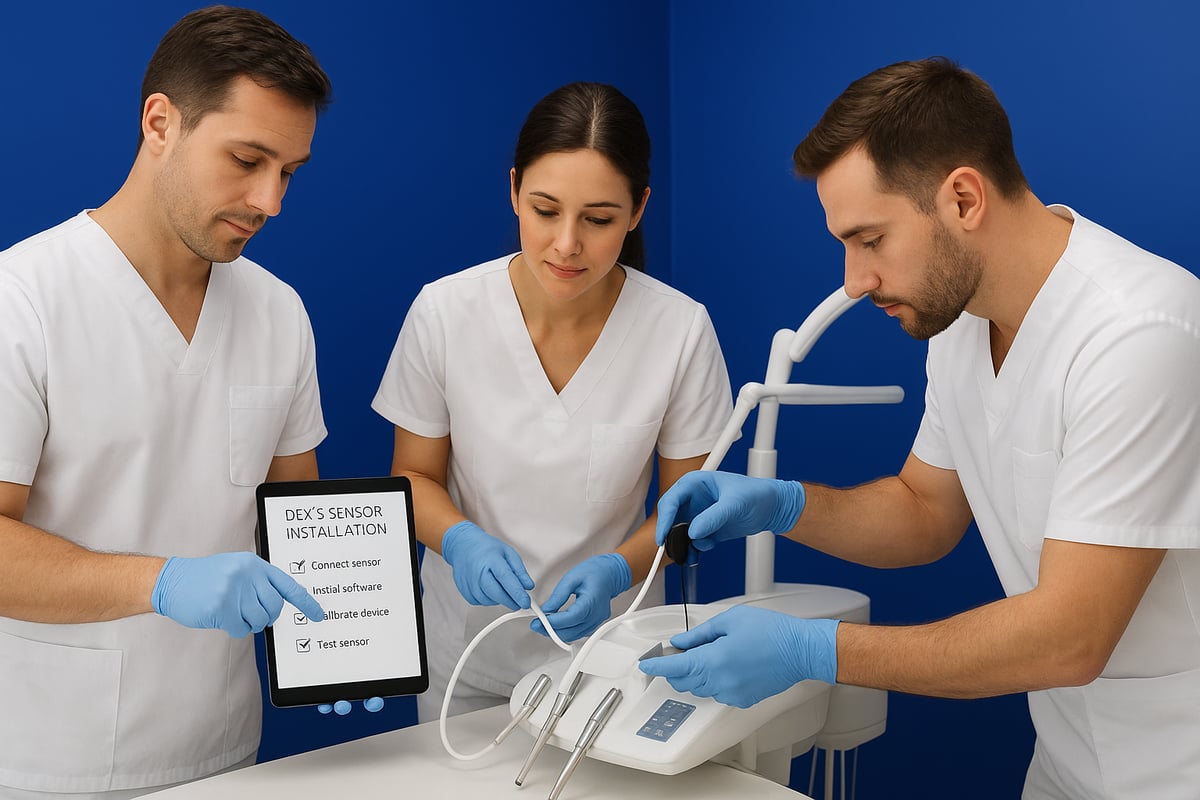
Staff training is crucial. Identify team members who will use the sensor and plan onboarding sessions. Create a checklist covering IT requirements, practice management software integration, and any necessary upgrades.
Plan for minimal disruption by scheduling installation during downtime or after hours. Communicate changes early, so the team feels prepared and confident. By laying this groundwork, your practice will be ready for a smooth dexis dental sensor rollout.
Step-by-Step Guide: Installing and Calibrating Dexis Sensors
Start by unboxing the dexis dental sensor and verifying all parts are present. Connect the sensor via USB or wireless adapter, depending on your model. Position the sensor holder within easy reach for operatory staff.
Install the required drivers and Dexis imaging software, following manufacturer instructions. Launch the software to begin the calibration process. Adjust settings for optimal image capture, and test by taking sample images.
Troubleshoot common issues, such as connectivity errors or unclear images, by consulting the user manual. A typical installation for a mid-sized practice takes a few hours, minimizing downtime and ensuring your dexis dental sensor is ready for patient care.
Optimizing Image Quality and Workflow Efficiency
Regular calibration is key to maintaining top-notch image quality from your dexis dental sensor. Schedule routine maintenance, including cleaning and inspecting cables for wear. Use best practices for patient positioning to reduce retakes and ensure sharp images.
Leverage software features for image review, annotation, and sharing with your team. Integrate the sensor with your practice management system for seamless record keeping and faster access to patient files. For a deeper dive into integration strategies, check out this Practice Management Software Guide.
Many practices report improved efficiency and workflow after optimizing their dexis dental sensor setup, leading to better patient outcomes and smoother daily operations.
Staff Training and Change Management
Effective staff training ensures everyone is comfortable using the dexis dental sensor. Develop training modules tailored to clinicians and dental assistants, focusing on hands-on practice and troubleshooting.
Address learning curves by offering continuous education through webinars, Dexis resources, and peer support. Encourage feedback to identify and resolve challenges early.
Highlight success stories from practices that achieved productivity gains through comprehensive training. A well-prepared team not only boosts confidence but also maximizes the value of your dexis dental sensor investment.
Ensuring Compliance and Data Security
Compliance with HIPAA and GDPR is non-negotiable when implementing a dexis dental sensor. Store patient images securely, using encrypted backups and strict access controls. Set up audit trails to monitor who accesses imaging data.
Familiarize your team with privacy best practices and Dexis software security features. Regularly review and update protocols to stay aligned with evolving regulations.
By prioritizing data security and compliance, your practice can protect patient information and avoid costly breaches, all while leveraging the full potential of your dexis dental sensor.
Clinical Impact: Diagnostic Accuracy, Patient Experience & ROI
Modern dental practices rely on advanced imaging to elevate patient care and streamline operations. The dexis dental sensor has transformed diagnostic accuracy, workflow, and the overall patient experience. Let’s explore how these sensors are shaping clinical outcomes and delivering clear value for dental professionals.
Enhanced Diagnostic Capabilities with Dexis Sensors
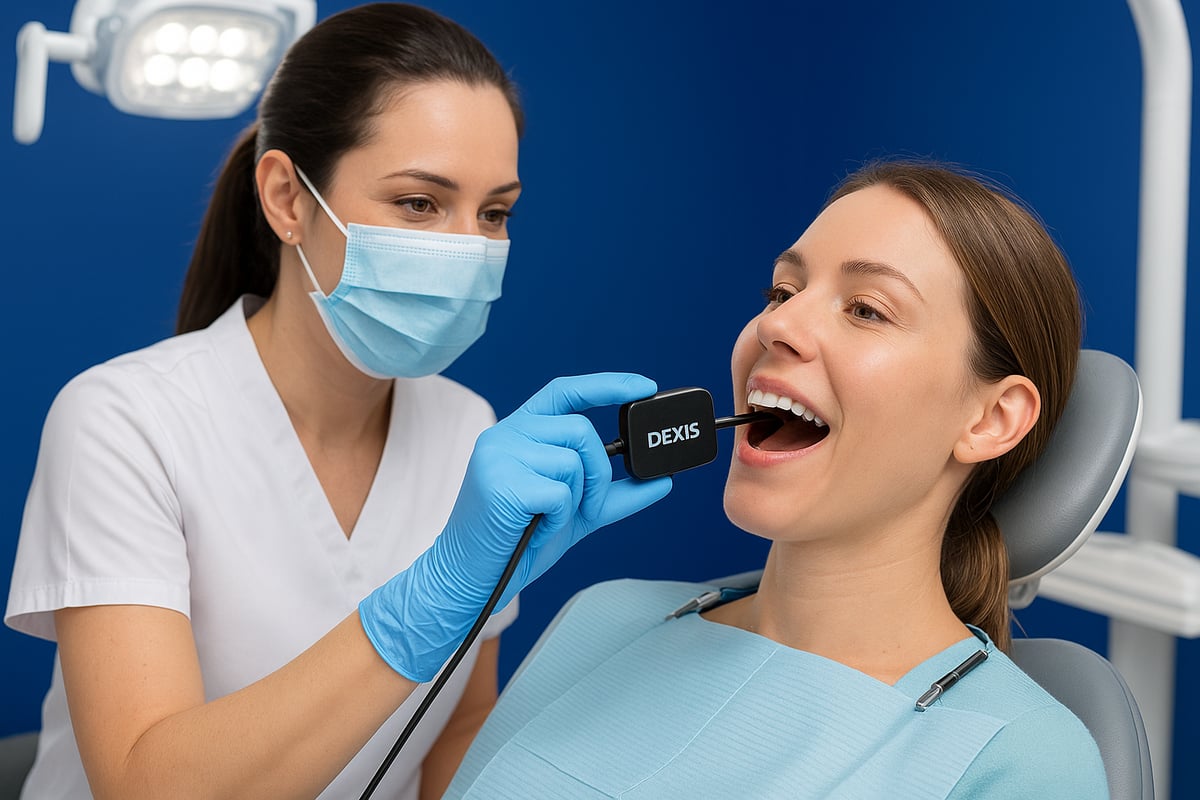
The dexis dental sensor stands out for its high-resolution imaging, which aids in early detection of caries, subtle fractures, and periapical lesions. With AI-assisted diagnostics now integrated, clinicians benefit from a second set of eyes, reducing human error and supporting more confident decisions.
Studies show that adopting these sensors leads to a significant drop in diagnostic errors. Real-world cases highlight improved accuracy, especially in complex cases where traditional film might fall short. For more on how artificial intelligence is reshaping dental diagnostics, review AI’s Impact on Dentistry.
Patient Comfort and Experience
Patient comfort is a top priority for any dental practice. The ergonomic design of the dexis dental sensor, with rounded edges and flexible positioning, minimizes discomfort during imaging. Patients notice the difference, especially those who are sensitive or anxious.
The faster imaging process and reduced need for retakes mean less time in the chair and a more pleasant visit. Real-time image sharing also allows patients to see and understand their oral health, building trust and engagement. Pediatric patients and their parents consistently report higher satisfaction after the switch to digital sensors.
Workflow Efficiency and Practice Productivity
Integrating the dexis dental sensor into daily workflows streamlines patient flow from start to finish. Digital images are captured quickly and seamlessly added to electronic health records, reducing manual entry and minimizing errors.
Practices report fewer imaging retakes due to the sensor’s reliability and high durability. Multi-operatory offices, in particular, see a boost in throughput and less downtime. Enhanced workflow efficiency helps clinicians focus more on patient care and less on troubleshooting equipment.
Financial Considerations: Cost, Value, and ROI
Investing in a dexis dental sensor may seem significant initially, but the long-term savings are clear. Eliminating film, chemicals, and related labor costs leads to rapid cost recovery, often within 12–24 months. Practices also benefit from comprehensive warranties and ongoing support, further reducing total cost of ownership.
Digital imaging can improve billing efficiency and insurance claim accuracy. For a detailed look at projected growth and value in this market, see the Dental Intraoral Sensors Market Forecast. The financial advantages are matched by improvements in patient care and practice reputation.
Real-World Case Studies and Testimonials
Dental practices of all sizes are seeing measurable benefits from the dexis dental sensor. General, pediatric, and specialty clinics report greater diagnostic confidence and fewer missed findings. Staff often highlight ease of use and the smooth transition to digital workflows.
Patient testimonials focus on comfort and transparency, noting how seeing their own images builds understanding and trust. Survey data from 2024–2025 shows a strong correlation between sensor adoption and overall practice growth. These real-world results make a compelling case for embracing digital imaging.
Future Trends: Dexis Sensors and the Digital Dental Landscape in 2026
The future of dental imaging is rapidly evolving, with the dexis dental sensor playing a crucial role in shaping clinical workflows and patient care. As we look ahead to 2026, a range of innovations and industry shifts are poised to redefine the digital dental landscape.
Emerging Technologies in Dental Imaging
The rise of artificial intelligence, 3D imaging, and cloud-based solutions is transforming how the dexis dental sensor is used in daily practice. AI-driven diagnostic tools now assist clinicians in detecting caries, bone loss, and anomalies with greater precision.
Integration with CBCT and panoramic imaging systems allows for comprehensive visualization, while cloud platforms enable secure image sharing and collaboration. These advancements are making remote consultations and teledentistry more accessible than ever. For a deeper look at this trend, explore Teledentistry and Remote Consults and see how digital sensors are bridging the gap between in-office and virtual care.
Dexis Roadmap: Anticipated Innovations for 2026
Looking ahead, the dexis dental sensor lineup is expected to feature even more robust wireless connectivity, longer battery life, and AI-powered image enhancement. The push for advanced materials will further improve durability and patient safety.
Interoperability with leading dental SaaS platforms is quickly becoming a standard, streamlining data flow between imaging and practice management. Recent developments, such as the PDS Health and DEXIS Collaboration, highlight the nationwide adoption of AI and 3D imaging, setting the stage for next-generation clinical tools in 2026.
Preparing Your Practice for the Next Wave of Digital Transformation
To stay competitive, practices must proactively prepare for future upgrades involving the dexis dental sensor. Start by evaluating your current imaging infrastructure and identifying opportunities for integration with new software or hardware.
Continuous staff training and upskilling will ensure your team is ready to leverage new features as they become available. Embracing a culture of adaptability, along with early adoption of updates, can give your practice a marked advantage in the digital era.
Regulatory and Market Outlook for Dental Sensors
Regulatory standards for digital imaging are tightening, making compliance a top priority for practices using any dexis dental sensor. Expect ongoing changes in HIPAA, GDPR, and local data privacy laws that impact image storage and sharing.
Market projections indicate robust growth for dental sensors, driven by demand for precision and efficiency. Staying informed about regulatory updates and industry trends will help practices navigate the evolving landscape and maximize the value of their digital investments.