In 2026, dental imaging is evolving at lightning speed, pushing practices to stay ahead of the curve. Are you ready to meet these changes head-on?
This guide provides essential, up-to-date insights into the dexis xray sensor, empowering dental professionals to make informed decisions for clinical excellence. Whether you are considering new technology or optimizing your workflow, understanding the latest Dexis Xray sensor advances is crucial.
Here, you will find a clear overview of Dexis Xray sensor technology, standout features, integration tips, maintenance best practices, regulatory updates, and future trends. Let’s unlock the tools you need to enhance diagnostics, boost patient care, and future-proof your practice.
Understanding Dexis Xray Sensors: Technology & Evolution
Dental practices today rely on the dexis xray sensor for precise, efficient imaging. These sensors are digital devices that capture high-resolution dental radiographs, instantly displaying images on a computer. Dexis, a pioneer in this field, has shaped the evolution of dental radiography since its introduction in the late 1990s. Unlike traditional film, which requires chemical processing and manual storage, dexis xray sensor technology streamlines workflows and improves diagnostic speed. Sensors come in both wired and wireless versions, catering to different practice needs. By 2026, over 80% of US dental offices are expected to have adopted digital sensors, reflecting this rapid shift.

What Are Dexis Xray Sensors?
The dexis xray sensor is engineered to convert X-ray photons into digital signals, producing sharp intraoral images. Dexis, as a brand, has consistently pushed the boundaries of dental imaging, making digital radiographs more accessible and reliable. While film-based imaging requires manual processing and is prone to errors, dexis xray sensor devices offer immediate results and easy image storage. Wired sensors connect directly to a computer, while wireless models provide greater flexibility and reduce clutter. With industry reports projecting digital sensor adoption to exceed 80% in US practices by 2026, it is clear that the dexis xray sensor is now a core part of modern dental care.
Key Technological Advancements (2022–2026)
From 2022 to 2026, the dexis xray sensor has seen significant advancements. Sensor resolution has jumped from 20 lp/mm to over 30 lp/mm, allowing clinicians to identify subtle lesions earlier. Enhanced image processing algorithms now deliver clearer images in less time, boosting diagnostic confidence. Durability improvements, including better waterproofing, have extended sensor lifespan. Most impressively, radiation exposure has dropped by up to 40% compared to 2020 models. Practices using the latest dexis xray sensor models report faster, more accurate diagnoses. For example, the DEXIS 10 Imaging Suite with AI-Enabled 2D Findings highlights how AI-driven features further enhance diagnostic capabilities.
How Dexis Sensors Compare to Competitors
When comparing the dexis xray sensor against brands like Schick, Gendex, and Carestream, several distinctions stand out. Dexis leads in image clarity, offering consistent high-definition results. The software ecosystem is robust, with seamless integration and intuitive user interfaces. In third-party reviews, Dexis sensors consistently score high in user satisfaction and reliability. Here is a quick comparison:
| Brand | Image Clarity | Software Integration | Ease of Use | Market Share (NA) |
|---|---|---|---|---|
| Dexis | Excellent | Comprehensive | Very Easy | 35% |
| Schick | Good | Moderate | Easy | 25% |
| Gendex | Good | Moderate | Moderate | 20% |
| Carestream | Good | Moderate | Easy | 15% |
This table shows why the dexis xray sensor remains a top choice for North American practices.
The Role of Dexis Sensors in Modern Dental Practices
Integrating the dexis xray sensor into digital workflows has transformed dental offices. Practices can now connect sensors directly to practice management software, streamlining patient records and image access. This integration enhances patient experience by reducing wait times and improving diagnostic accuracy. For new adopters, the return on investment is clear: faster diagnostics, fewer retakes, and improved case acceptance rates. One example is a clinic that saw a notable increase in treatment acceptance after switching to digital sensors. The dexis xray sensor is not just a tool, but a catalyst for modern, patient-centered care.
Core Features and Benefits of Dexis Xray Sensors
Dexis xray sensor technology stands out in the dental industry for its blend of precision, comfort, and smart workflow integration. Let’s explore the five core features that make these sensors the top choice for modern practices.
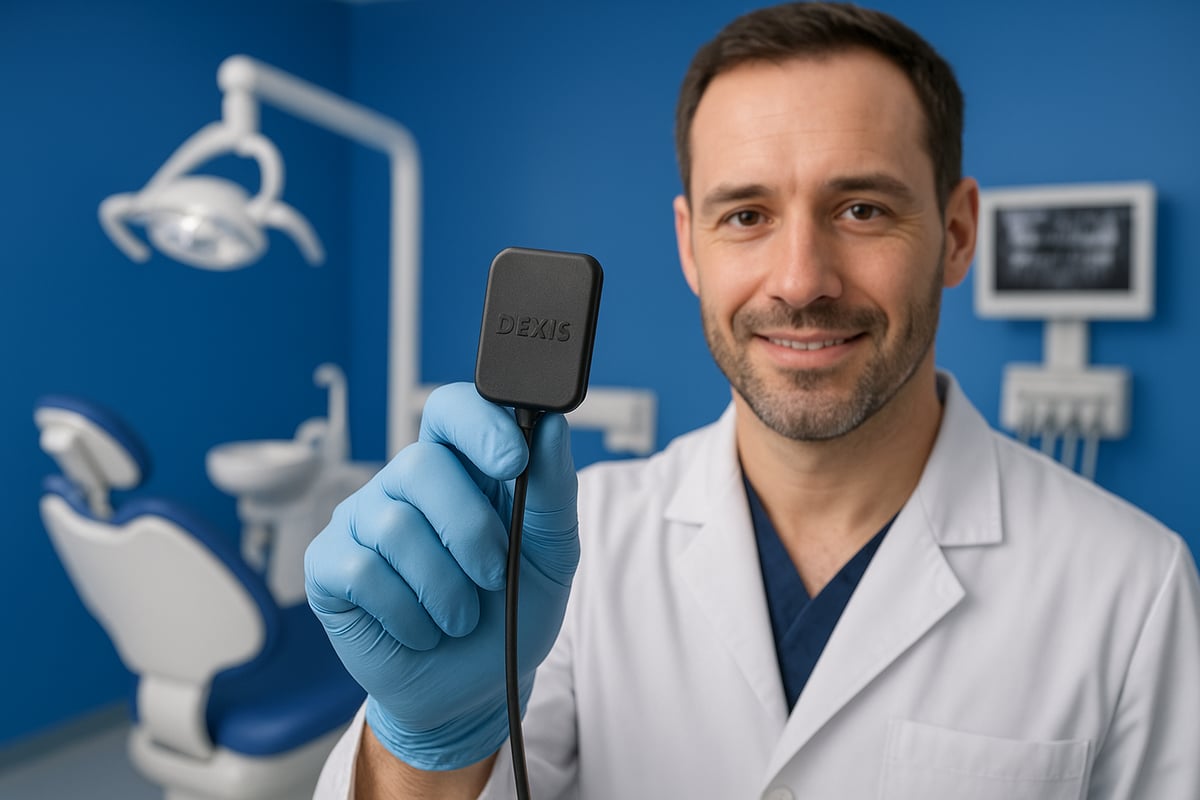
High-Resolution Imaging & Diagnostic Accuracy
The dexis xray sensor is designed to capture crisp, detailed images with pixel sizes as small as 15 microns. This high resolution allows clinicians to spot early signs of caries and subtle pathology that film or older digital sensors might miss. For example, a clinical study found that dentists using the latest models identified interproximal lesions up to 30% sooner.
Image clarity is further enhanced by advanced image processing and AI tools. The DEXIS Ti2 Sensor Enhancements showcase how AI-driven diagnostics support faster, more confident clinical decisions. With dexis xray sensor technology, practices can deliver more accurate, earlier interventions.
Patient Comfort and Ergonomics
Comfort is a top priority with every dexis xray sensor. Rounded edges, smooth surfaces, and flexible cables help reduce discomfort and minimize gag reflex, especially for pediatric and geriatric patients. Multiple sensor sizes let clinicians select the ideal fit for each patient.
Patients frequently report a more pleasant experience during x-ray procedures. In busy family practices, the ergonomic design of the dexis xray sensor leads to fewer retakes and happier visits. This attention to comfort supports both patient satisfaction and clinical efficiency.
Durability, Reliability, and Warranty
Dexis xray sensor models are built to endure years of heavy use. They feature reinforced housing, waterproof seals, and robust internal components that withstand repeated sterilization. The typical lifespan for a dexis xray sensor ranges from 5 to 7 years, with failure rates among the lowest in the industry.
Support is just as reliable. Standard warranties last 2 to 5 years, covering most hardware issues. Here’s a quick summary:
| Feature | Dexis Xray Sensor |
|---|---|
| Lifespan | 5–7 years |
| Warranty | 2–5 years |
| Support | 24/7 assistance |
Investing in a dexis xray sensor means peace of mind for your team and your patients.
Software Ecosystem and Integration
The dexis xray sensor works seamlessly with leading dental practice management software and imaging suites. Dexis Imaging Suite offers cloud storage, AI-assisted image analysis, and easy image sharing between providers. Integration is straightforward, allowing for workflow automation and minimal disruption.
Practices appreciate how the dexis xray sensor streamlines daily routines. With automated backups and intuitive user interfaces, staff can focus on patient care instead of wrestling with technology. The result is a more connected, efficient, and productive dental office.
Radiation Safety and Compliance
Patient safety is foundational to every dexis xray sensor. Dose reduction technology, in line with ALARA principles, lowers radiation exposure by as much as 40% compared to previous models. These sensors meet rigorous standards, including FDA and CE certifications.
A recent industry survey showed a 25% decrease in average patient exposure since 2022, thanks to the adoption of the dexis xray sensor. Practices using these sensors confidently meet regulatory guidelines while prioritizing patient well-being.
Step-by-Step Guide: Selecting and Implementing Dexis Xray Sensors in 2026
Selecting and implementing the right dexis xray sensor for your practice in 2026 can feel overwhelming. To simplify the journey, follow this practical, step-by-step guide. Each phase below is designed to help you make confident, future-ready decisions that deliver value and clinical excellence.
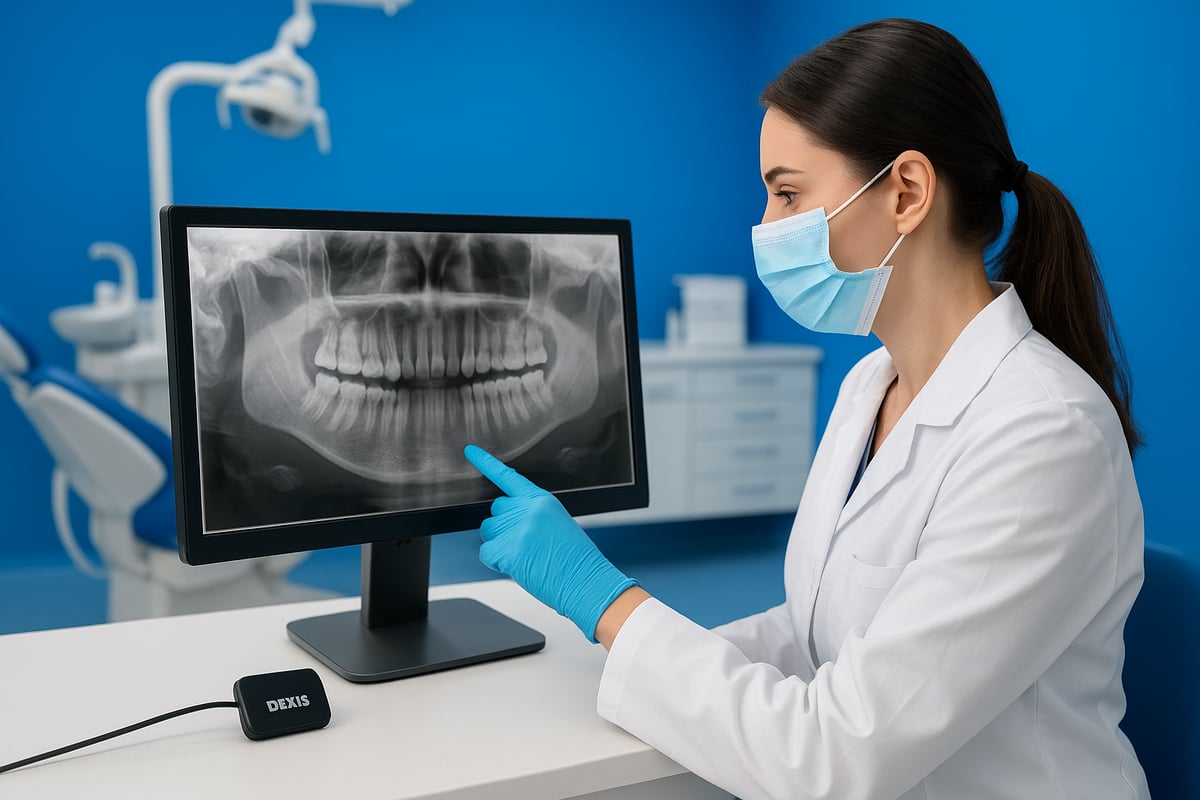
Assessing Your Practice’s Needs
Start by evaluating your unique clinical environment. Consider patient volume, specialty focus, and workflow bottlenecks. For example, do you handle a high number of pediatric cases, or perform frequent endodontic procedures?
Use this checklist to clarify your needs:
- What is your average daily patient volume?
- Which procedures require the most imaging?
- Are you experiencing issues with image quality or speed?
- Is compatibility with existing software a concern?
Identifying these factors will point you toward the most suitable dexis xray sensor for your practice. This upfront clarity ensures you invest in technology that supports your daily operations and clinical goals.
Comparing Dexis Models and Specifications
With your requirements in hand, compare the available dexis xray sensor models for 2026. Focus on sensor size, resolution, connectivity options, and durability. Wired and wireless models each offer distinct benefits, so align your choice with your workflow.
Here’s a quick comparison table for reference:
| Model | Resolution | Connectivity | Sizes Available | Price Range |
|---|---|---|---|---|
| Dexis Ultra | 30+ lp/mm | Wireless | 0, 1, 2 | $$$ |
| Dexis Classic | 25 lp/mm | Wired | 1, 2 | $$ |
Look for models that integrate easily into your operatory, support your clinical protocols, and offer the highest image quality for your investment in a dexis xray sensor.
Budgeting and ROI Calculation
Budgeting for a dexis xray sensor involves more than just looking at the price tag. Weigh upfront costs against the long-term savings from eliminating film, chemicals, and manual processing. Consider financing or leasing options to balance cash flow.
Here’s a sample ROI calculation for a mid-size practice:
- Initial investment: $12,000
- Annual savings (film, chemicals, labor): $4,000
- Payback period: 3 years
By factoring in increased efficiency and faster diagnostics, your dexis xray sensor can pay for itself quickly. Smart budgeting ensures you maximize value without compromising on quality.
Installation and Staff Training
Smooth installation is critical for a seamless transition to your new dexis xray sensor. Begin with site preparation, ensuring your operatories are ready for hardware setup. Follow with software installation and sensor calibration.
Next, prioritize staff onboarding. Provide hands-on training sessions, tutorials, and access to ongoing support resources. Address common installation issues early, such as driver conflicts or network setup, to avoid workflow disruptions.
A well-trained team feels confident using the dexis xray sensor, which translates to better patient care and fewer mistakes.
Integration with Existing Software and Workflows
Seamless integration of your dexis xray sensor with current practice management and EHR systems is essential. Confirm compatibility and plan for data migration and image archiving. Customizing workflows can significantly boost efficiency.
For best results, explore Practice Management Software Integration to ensure your sensor works smoothly with your software ecosystem. This approach streamlines daily operations, supports automated image routing, and enables quick image retrieval at the point of care.
A thoughtfully integrated dexis xray sensor reduces administrative overhead and enhances clinical productivity.
Regulatory and Data Security Considerations
Compliance and security are non-negotiable when adopting a dexis xray sensor. Ensure your imaging software and hardware meet HIPAA and local privacy standards. Use secure, encrypted storage for digital radiographs and implement regular access audits.
Develop a compliance checklist covering:
- HIPAA requirements
- Secure data backup protocols
- Staff training on privacy best practices
Regular audits and adherence to updated regulations safeguard patient data and protect your practice from costly breaches or penalties.
Maintenance, Troubleshooting, and Upgrades
Staying proactive with your dexis xray sensor ensures top-notch performance, less downtime, and a longer lifespan. Knowing how to keep your sensors in peak condition, tackle common issues, and plan for future upgrades will help your dental practice run smoothly.
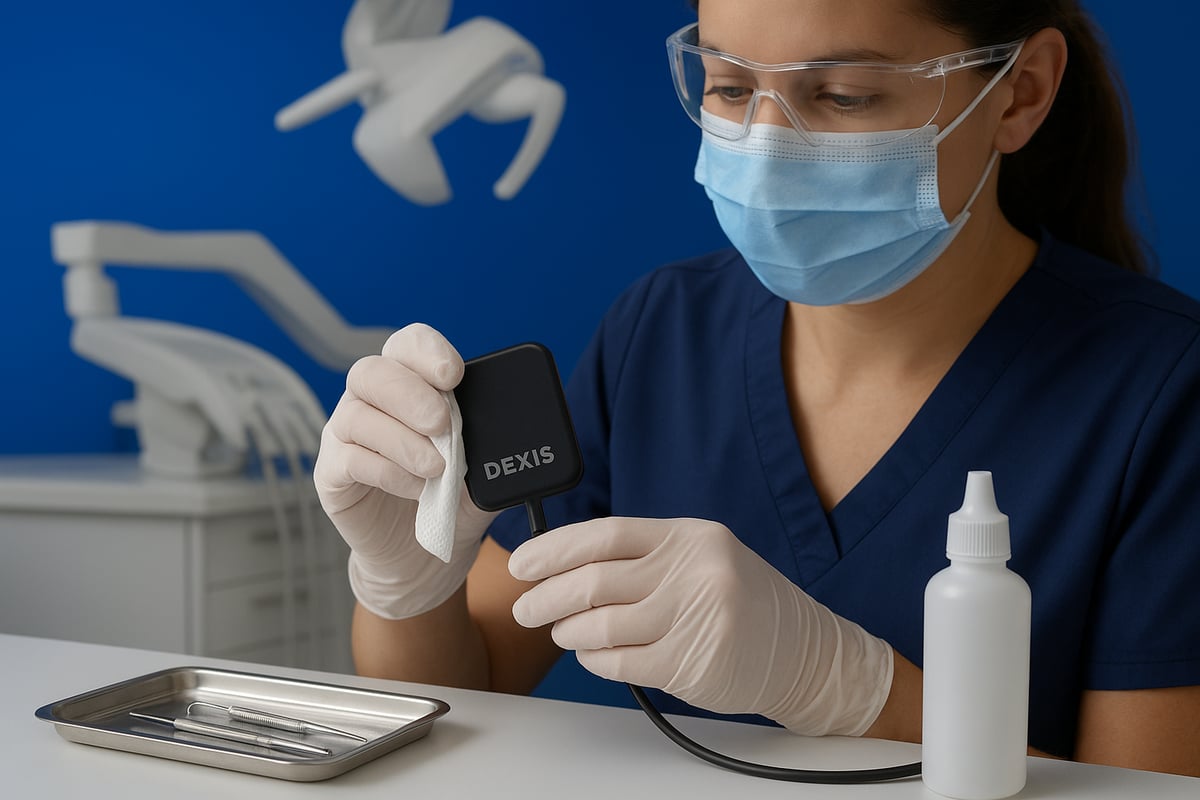
Routine Maintenance and Cleaning
Regular cleaning is essential for maintaining your dexis xray sensor. Start each day by inspecting the sensor for visible debris and gently wiping it with approved disinfectant wipes. Avoid harsh chemicals, as these can damage sensitive components.
Weekly, review cables and connectors for signs of wear. Monthly, check calibration and ensure software updates are current. Always handle sensors with clean gloves and store them in protective cases.
Following these steps not only extends the sensor’s usable life but also helps prevent image quality issues. Proper maintenance ensures consistent, reliable imaging for every patient visit.
Common Issues and Troubleshooting Steps
Even a well-maintained dexis xray sensor can encounter problems. Some frequent issues include image artifacts, connectivity dropouts, or calibration errors. If you notice blurry images, first check that the sensor is properly connected and the cable is intact.
For connectivity problems, restart both the sensor and the imaging software. Calibration errors often resolve with a quick recalibration using the manufacturer’s instructions. If problems persist, consult the Dexis support portal for troubleshooting guides.
Timely troubleshooting can minimize downtime and keep your practice’s imaging workflow efficient. When in doubt, always reach out to Dexis technical support.
Repair, Replacement, and Warranty Claims
If your dexis xray sensor needs repair, start by checking the warranty period—most come with 2 to 5 years of coverage. File a claim through the manufacturer’s support portal, providing details and diagnostic logs if possible.
Typical repairs include cable replacements or sensor recalibration, which can take a few days to a week, depending on your location. Out-of-warranty repairs may incur additional charges, so request a quote in advance.
For urgent cases, ask about loaner programs. Planning ahead for replacement ensures your practice never misses a beat due to sensor downtime.
Upgrading Dexis Sensors: When and Why
Knowing when to upgrade your dexis xray sensor is crucial for maintaining clinical excellence. Signs it’s time include declining image quality, frequent malfunctions, or lack of compatibility with new software features. Upgrading offers benefits like reduced radiation, improved diagnostics, and faster workflows.
A cost-benefit analysis often shows that investing in the latest sensor pays off through enhanced efficiency and patient care. Dexis frequently introduces incentives and trade-in programs for upgraders. For details on recent advancements and upgrade options, see how DEXIS Reflects on 2024 Innovations.
Making timely upgrades keeps your practice ahead and ensures you deliver the best possible care.
Staff Training and Continuing Education
Ongoing training is vital for getting the most from your dexis xray sensor. New features and software updates mean your team must stay current. Dexis offers certification programs, online modules, and hands-on workshops to sharpen staff skills.
Regular training reduces user errors and maximizes diagnostic accuracy. Encourage your team to attend annual refresher courses or manufacturer webinars.
A well-trained staff not only extends the life of your sensor but also improves patient satisfaction by ensuring smooth, efficient imaging procedures.
Regulatory Landscape and Compliance Updates for 2026
Keeping up with regulatory changes is crucial for dental practices using dexis xray sensor technology. As digital imaging evolves, so do compliance standards, privacy rules, and insurance requirements. Let’s break down what to expect in 2026 and how to keep your practice ahead.
Evolving Standards in Dental Radiography
In 2026, regulatory agencies continue to refine requirements for digital dental imaging. The FDA, for example, updated its certification process in 2025 to include stricter guidelines on hardware safety and image quality for devices like the dexis xray sensor. Internationally, CE certification now demands enhanced documentation of dose reduction and device traceability.
Dental practices must stay informed on these evolving standards to ensure ongoing compliance. Using advanced technologies, such as those highlighted in Imaging and Clinical AI Tools, can help meet new requirements for accuracy and safety. Regular audits and updated protocols are essential to avoid penalties and deliver the highest standard of care.
Data Privacy and Cybersecurity in Dental Imaging
With the adoption of dexis xray sensor systems, data privacy and cybersecurity are top priorities for dental professionals. HIPAA and GDPR regulations require robust protection of patient radiographs and personal data. Recent statistics show a rise in healthcare data breaches, making secure storage and encrypted image transfer more important than ever.
Practices should implement strong password policies, enable two-factor authentication, and ensure all imaging software is kept up to date. Solutions like DEXIS Imaging Suite Software Overview offer built-in compliance features that help protect sensitive information. Proactive staff training and regular security audits further reduce risk and keep patient trust intact.
Environmental and Sustainability Considerations
Switching to digital imaging with the dexis xray sensor has a measurable positive impact on the environment. Traditional film-based radiography produces hazardous waste, while digital sensors eliminate the need for chemicals and reduce physical storage requirements. Many manufacturers now offer recycling programs for end-of-life sensors, promoting sustainability.
Since the widespread adoption of digital systems, dental practices have reported significant reductions in hazardous waste output. Eco-friendly initiatives, such as energy-efficient imaging devices and responsible electronics disposal, are becoming industry standards. By participating in these programs, your practice not only stays compliant but also demonstrates environmental stewardship.
Insurance, Billing, and Documentation
Accurate coding and documentation are vital when billing for procedures involving the dexis xray sensor. In 2026, updates to CDT codes require dental staff to use the most current digital radiography codes for reimbursement. Proper documentation supports insurance claims and reduces the risk of denials.
Common billing errors include mismatched codes and incomplete patient records. To prevent these issues, establish a checklist for each claim and verify documentation before submission. Staying current with insurance requirements not only ensures smooth billing but also maximizes practice revenue and compliance with payer guidelines.
Future Trends: Dexis Xray Sensors and Digital Imaging Beyond 2026
The future of dental imaging is unfolding rapidly, with the dexis xray sensor playing a central role in shaping what comes next. As technology evolves, dental practices can expect smarter tools, more streamlined workflows, and greater patient engagement. Let’s explore the key trends set to define digital imaging beyond 2026.
Artificial Intelligence and Diagnostic Support
Artificial intelligence is quickly becoming a game changer for the dexis xray sensor. Advanced AI algorithms now analyze radiographs in real time, flagging early signs of caries, bone loss, or pathology. This leads to faster, more accurate diagnostics and helps dentists catch issues before they escalate.
Imagine a workflow where your dexis xray sensor integrates seamlessly with AI-powered software. This combination not only increases diagnostic confidence but also reduces the chance of human error. Recent studies show that AI-driven caries detection rates surpass traditional methods, saving time and improving patient outcomes. As AI continues to advance, expect even more predictive and preventive capabilities in dental imaging.
Wireless and Cloud-Connected Sensor Innovations
Wireless connectivity is set to become the new standard for the dexis xray sensor. Next-generation models offer instant image transfer to cloud platforms, enabling secure access from any device or location. This is especially valuable for multi-site practices and remote consultations.
Cloud integration also simplifies data management and backup. Dentists can quickly retrieve images, share them with specialists, or review cases from anywhere. In 2026, market data suggests wireless dexis xray sensor adoption will surpass 60 percent in North America. This shift is making dental workflows faster, more flexible, and more resilient against data loss.
Personalized Imaging and Patient Engagement
Personalization is at the forefront of the dexis xray sensor revolution. Dentists can now customize imaging protocols based on patient age, medical history, or specific treatment requirements. This tailored approach enhances diagnostic quality and patient comfort.
Modern sensors also support patient-facing tools, such as chairside image displays and easy-to-understand visual explanations. These features boost patient trust and acceptance rates. For practices looking to enhance communication, resources like Patient Communication and Engagement offer valuable insights on leveraging digital imaging for education and satisfaction. The result: higher patient satisfaction scores and improved outcomes.
Market Outlook and Investment Considerations
Looking ahead, the global digital dental imaging market is projected to grow steadily through 2030. The dexis xray sensor remains a top choice for practices seeking innovation, reliability, and strong software support. Dexis continues to invest in R&D, expanding features and integration options for future-ready clinics.
When considering investments, dental professionals should weigh factors such as total cost of ownership, software compatibility, and long-term support. As new trends emerge, staying informed about the latest dexis xray sensor advancements will help practices make confident, future-proof decisions.