The world of dental imaging is changing fast, and mouthwatch is leading this exciting transformation. With new technology emerging every year, staying ahead is more important than ever for dental practices.
This 2025 guide delivers everything you need to know about mouthwatch. You’ll find essential insights on its technology, clinical impact, and practical strategies to help your team thrive.
Explore how mouthwatch works, discover its benefits, and learn about innovative features driving better patient care. We’ll share integration tips, highlight future trends, and explain how these advancements can optimize your workflow.
Get ready to capture the latest advancements, build your understanding, and unlock the potential of mouthwatch for your practice.
Understanding Mouthwatch: Core Technology and Capabilities
Dental imaging has seen remarkable advancements over the past decade, and mouthwatch is at the heart of this transformation. As dental practices seek to enhance diagnostics, patient communication, and workflow efficiency, mouthwatch intraoral cameras have emerged as a trusted solution for both general and specialty practices.
What Makes Mouthwatch Stand Out?
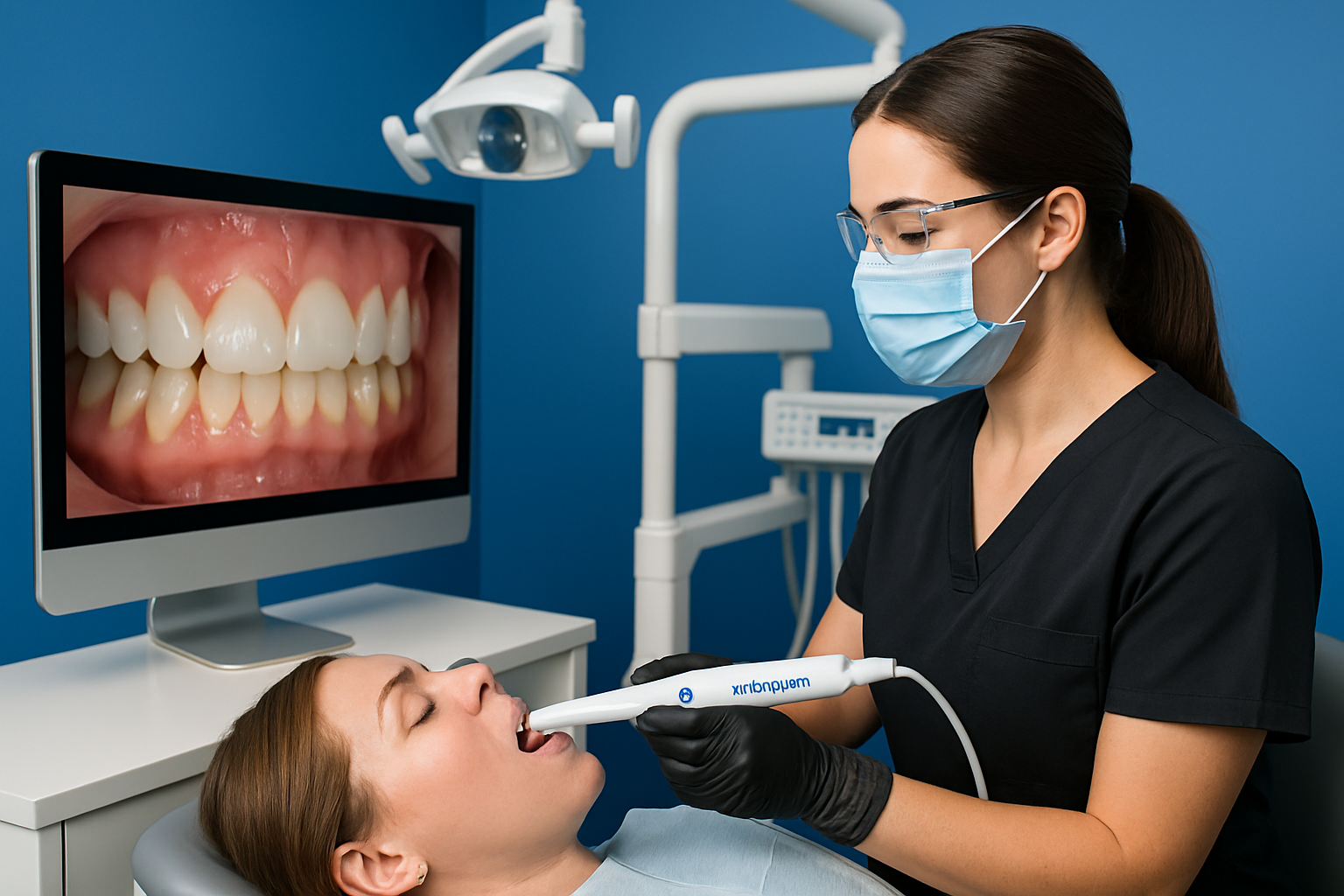
At its core, mouthwatch combines advanced camera hardware, precision imaging sensors, and intuitive software. The device captures high-resolution intraoral images, enabling clinicians to visualize the smallest details—essential for accurate diagnosis and comprehensive treatment planning.
The camera is designed for plug-and-play simplicity. Most models connect via USB, though wireless options are available for practices preferring more flexibility. The imaging sensors are engineered to deliver consistent, true-to-life color and clarity, making it easier to spot caries, fractures, and other oral health concerns.
Core Components and Technology
Mouthwatch’s hardware features a lightweight, ergonomic handpiece that fits comfortably in both the clinician’s and patient’s hands. The imaging sensor is optimized for close-up shots, and the built-in LED illumination ensures every area of the mouth is well-lit.
On the software side, mouthwatch integrates seamlessly with many electronic health record (EHR) and dental imaging platforms. The interface is straightforward, allowing staff to capture, save, and share images with just a few clicks. This ease of use streamlines documentation, speeds up appointments, and reduces the learning curve for new users.
Enhancing Diagnostics and Patient Education
One of the biggest advantages of mouthwatch is its ability to make dental conditions visible to patients in real time. For example, a dentist can show a patient exactly where a cavity or fracture is located, using magnified, detailed images. This visual evidence often leads to higher case acceptance rates, as patients better understand their treatment needs.
Here’s a quick comparison table to highlight how mouthwatch images impact workflows:
| Traditional Methods | With Mouthwatch |
|---|---|
| Hand mirrors | High-res digital images |
| Verbal explanations only | Visual aids for patient clarity |
| Manual charting | Digital image documentation |
Wired vs. Wireless Models
Mouthwatch offers both wired and wireless versions. Wired models are valued for their reliability and steady performance, especially in operatories with established setups. Wireless models, on the other hand, provide mobility—ideal for mobile dentistry or multi-room clinics.
- Wired Models: Consistent connection, no battery management, lower cost.
- Wireless Models: Greater flexibility, convenient for larger practices, requires charging.
Choosing the right model depends on your practice’s workflow, patient volume, and infrastructure.
Integration and Compatibility
Another reason mouthwatch is highly regarded is its compatibility with a wide range of dental software and practice management systems. Whether your office uses Dentrix, Eaglesoft, or another platform, the camera’s software drivers are designed for easy integration. This ensures images can be stored in patient files, shared with specialists, or attached to insurance claims without extra steps.
Ergonomics and User Experience
Ergonomics play a major role in daily dental routines. Mouthwatch cameras are crafted for comfort, with a slim profile and lightweight build. This user-friendly design reduces hand fatigue during long procedures and makes it easier for staff to adopt the technology quickly.
Industry Adoption and Market Trends
Recent industry surveys reveal that over 75% of U.S. dental practices now use intraoral cameras as part of their diagnostic toolkit—a number that continues to rise as digital workflows become the standard. According to the Global Intraoral Cameras Market Analysis, mouthwatch is recognized as a leading player driving innovation and accessibility in this space.
The increasing adoption of mouthwatch intraoral cameras demonstrates their value for both clinical excellence and patient engagement. By investing in this technology, practices position themselves to deliver better care and keep pace with evolving patient expectations.
Clinical Benefits and Patient Impact
Delivering exceptional patient care starts with accurate diagnostics and clear communication. The mouthwatch intraoral camera is redefining how dental teams achieve both. Its high-resolution imaging empowers clinicians to spot issues that might be missed with the naked eye, leading to earlier detection and more precise treatment planning.
With mouthwatch, even subtle enamel lesions or early caries become visible, allowing for proactive care rather than reactive fixes. This level of detail not only sharpens diagnostic accuracy but also transforms how dentists educate and engage patients. Instead of describing a problem, you can show it—making complex oral health conditions easy for anyone to understand.
A recent study reported that practices using visual aids like mouthwatch saw case acceptance rates climb by up to 34%. Patients are more likely to proceed with recommended treatments when they see clear, magnified images of their dental issues. This visual storytelling bridges the gap between clinical expertise and patient trust.
Mouthwatch also streamlines documentation. Captured images integrate seamlessly with digital records, simplifying insurance claims and referral processes. No more hunting for paper charts or manually attaching blurry photos. Instead, every image is stored securely, accessible for future reference, and ready to support clinical decisions.
Preventive care is another area where mouthwatch excels. By tracking changes over time, clinicians can monitor caries progression, gum health, or restorative work. For example, a patient with early-stage decay can see side-by-side images at each visit, highlighting the impact of improved home care or the need for intervention.
Here's a quick comparison illustrating core clinical benefits:
| Benefit | Traditional Exam | With Mouthwatch |
|---|---|---|
| Diagnostic Accuracy | Moderate | High |
| Patient Understanding | Limited | Visual, Clear |
| Documentation | Manual | Automated |
| Insurance Support | Basic | Streamlined |
| Case Acceptance | Average | Increased |
Mouthwatch is also an equalizer in patient care. Its user-friendly design and non-intimidating form factor make it ideal for pediatric, geriatric, and special needs patients. Children engage with the technology, seniors appreciate the gentle experience, and those with mobility challenges benefit from less invasive exams.
Remote care is no longer a futuristic concept. Mouthwatch plays a pivotal role in teledentistry, enabling clinicians to consult, diagnose, and monitor patients from afar. High-quality images can be shared instantly, supporting virtual visits and expanding access to care for rural or underserved communities.
For those interested in the advanced imaging and AI-driven tools that complement mouthwatch’s clinical impact, the Imaging and Clinical AI Tools Overview delves into how technology is reshaping diagnostics and patient outcomes.
Ultimately, mouthwatch isn’t just a camera—it’s a bridge to better dentistry. It empowers practices to diagnose confidently, educate persuasively, and care for every patient with precision and empathy.
Implementation Guide: Integrating Mouthwatch in Your Practice
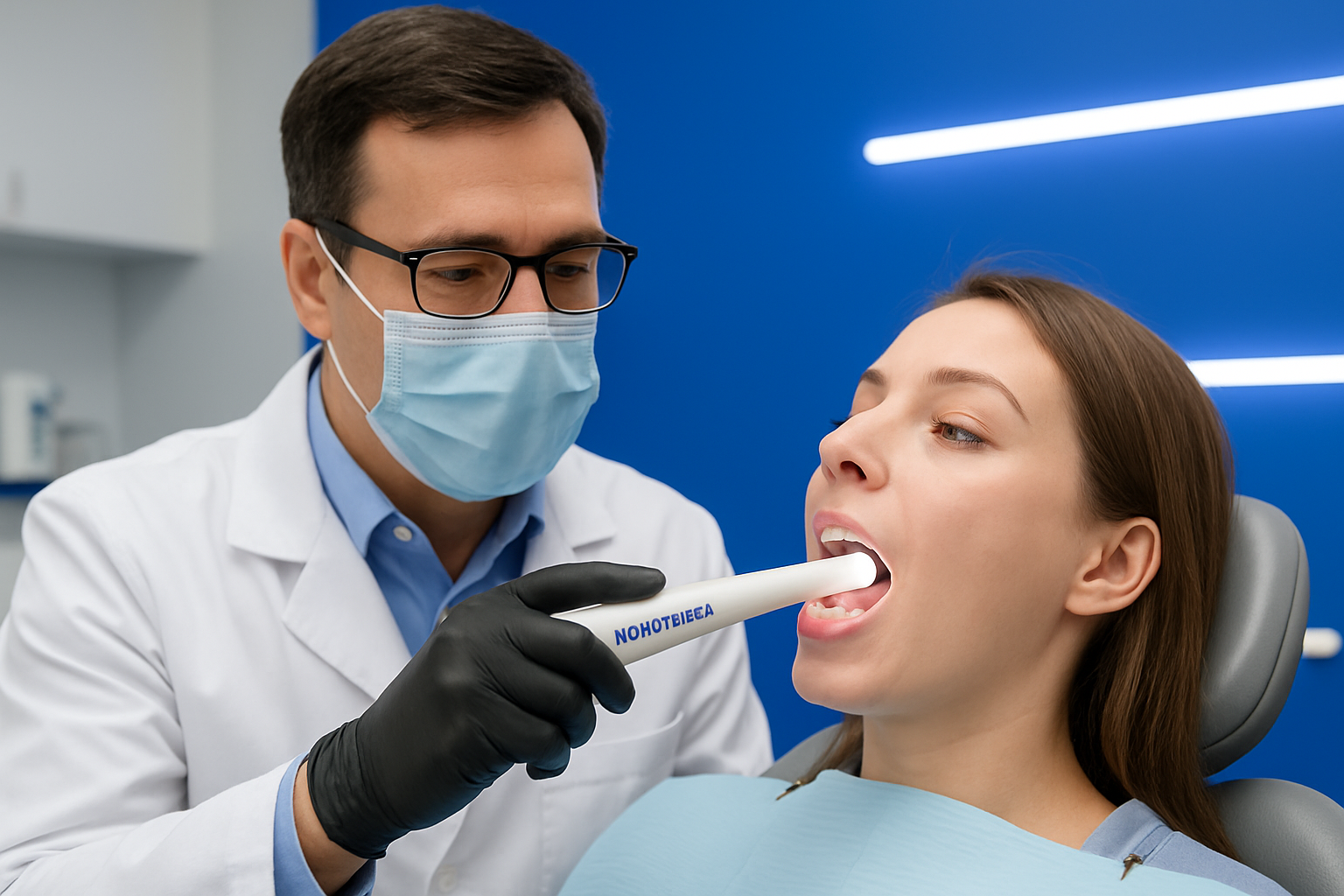
Integrating mouthwatch into your dental practice is a strategic move that can transform clinical workflows and patient experiences. A thoughtful implementation ensures you maximize the value of this advanced intraoral imaging solution right from day one. Let’s break down the process into practical, actionable steps.
Step 1: Evaluate Your Practice Needs
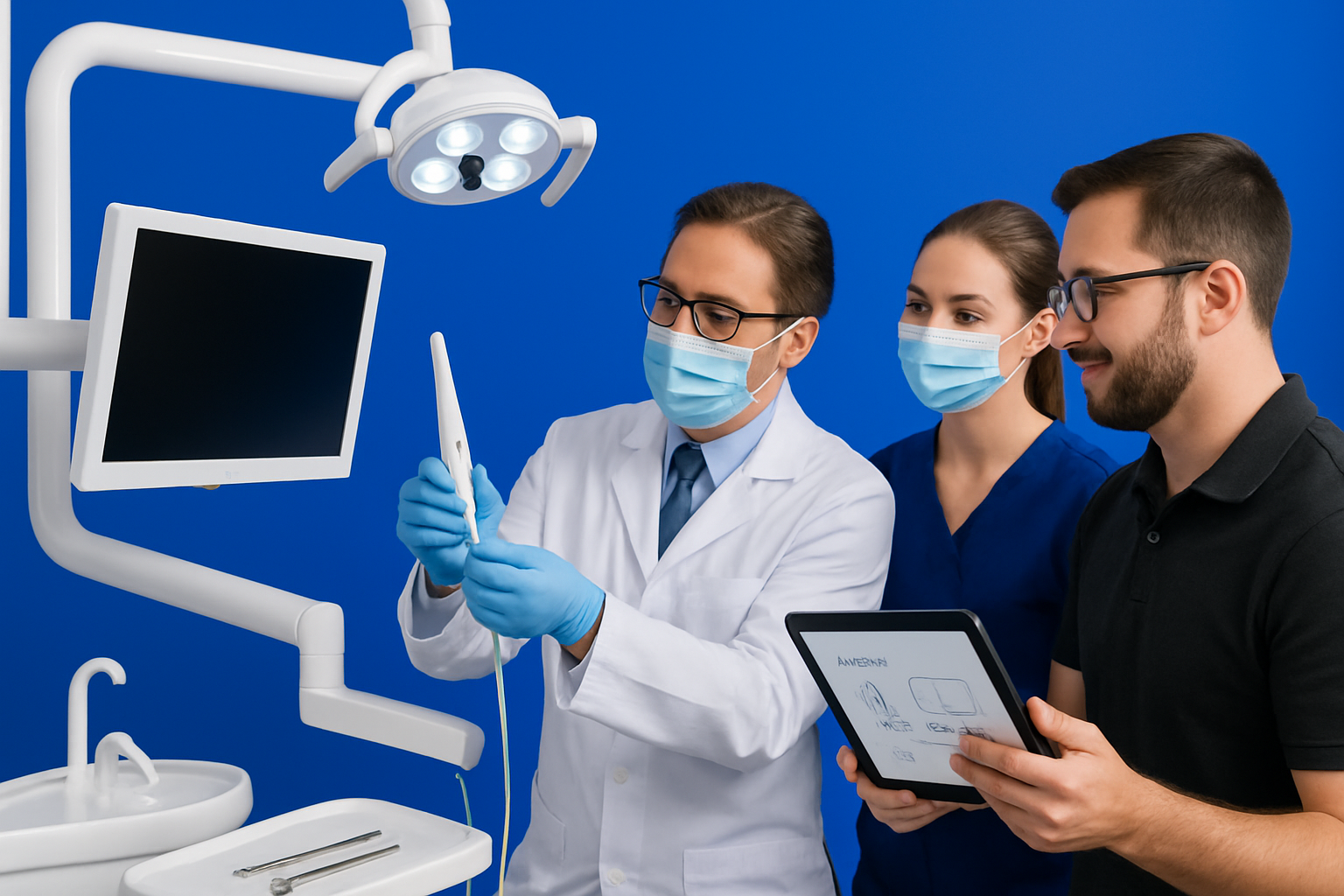
Begin by assessing your clinical workflows and technology infrastructure. Consider how many operatories require a mouthwatch device and which features best suit your patient volume. Review compatibility with your current dental software and management systems, ensuring seamless integration. For an in-depth comparison of compatible platforms, visit Dental Software Reviews and Comparisons. Documenting your findings will guide your purchasing decision and help you avoid future bottlenecks.
Step 2: Purchase and Receive Your Mouthwatch Device
Once you’ve identified your requirements, contact authorized distributors or order directly from mouthwatch. Confirm the appropriate model—wired or wireless—based on internet connectivity and mobility needs within your practice. Upon delivery, inspect all components and verify that accessories such as sheaths, mounts, and cables are included. This attention to detail can prevent installation delays.
Step 3: Installation and Initial Setup
Follow the manufacturer’s installation guide closely. Most mouthwatch devices offer plug-and-play functionality, reducing IT hassles. Connect the camera to your system, then install the accompanying software. Test the device on a dummy patient file to ensure image clarity and proper data transfer. If you encounter connectivity issues, check USB ports or wireless settings as a first step.
Step 4: Staff Training and Onboarding
A successful mouthwatch rollout depends on staff confidence. Organize hands-on training sessions, using manufacturer-provided tutorials. Assign a tech-savvy team member as the internal go-to resource. Encourage staff to practice capturing images and navigating the software interface. Regularly review feedback to identify areas for further skill development.
Step 5: Customizing and Troubleshooting
Tailor mouthwatch settings to fit different clinical scenarios, such as hygiene checks or restorative consultations. Explore advanced features, including image annotation and patient education tools. For troubleshooting, consult the support documentation for solutions to common issues like blurry images or software integration glitches. Keep the support hotline on hand for urgent needs.
Step 6: Data Management and Compliance
Secure, efficient data management is vital. Configure mouthwatch to store images in encrypted folders, backing up data regularly to prevent loss. Ensure all usage complies with HIPAA and, if applicable, GDPR regulations. Establish protocols for authorized access and image retrieval. Periodically review your processes to stay ahead of evolving security standards.
Step 7: Calculating Cost and ROI
Factor in the upfront investment for mouthwatch devices, installation, and staff training. Consider ongoing costs such as maintenance and software updates. Many practices report a positive return on investment within the first year, thanks to improved case acceptance and streamlined insurance documentation. Analyze your metrics monthly to measure impact and adjust strategies as needed.
Implementation Example: New Practice Timeline & Lessons
A recently established dental office implemented mouthwatch over four weeks. In week one, they evaluated needs and ordered devices. Week two focused on installation and initial testing. Staff training and workflow customization took place in week three. By week four, the team reported faster documentation and higher patient engagement. Their key takeaway? Early planning and open communication streamlined the entire process.
Innovations and Trends: What’s New for 2025
The world of mouthwatch technology is advancing faster than ever. In 2025, dental professionals can expect a wave of innovative features and industry trends that will reshape how care is delivered and experienced.
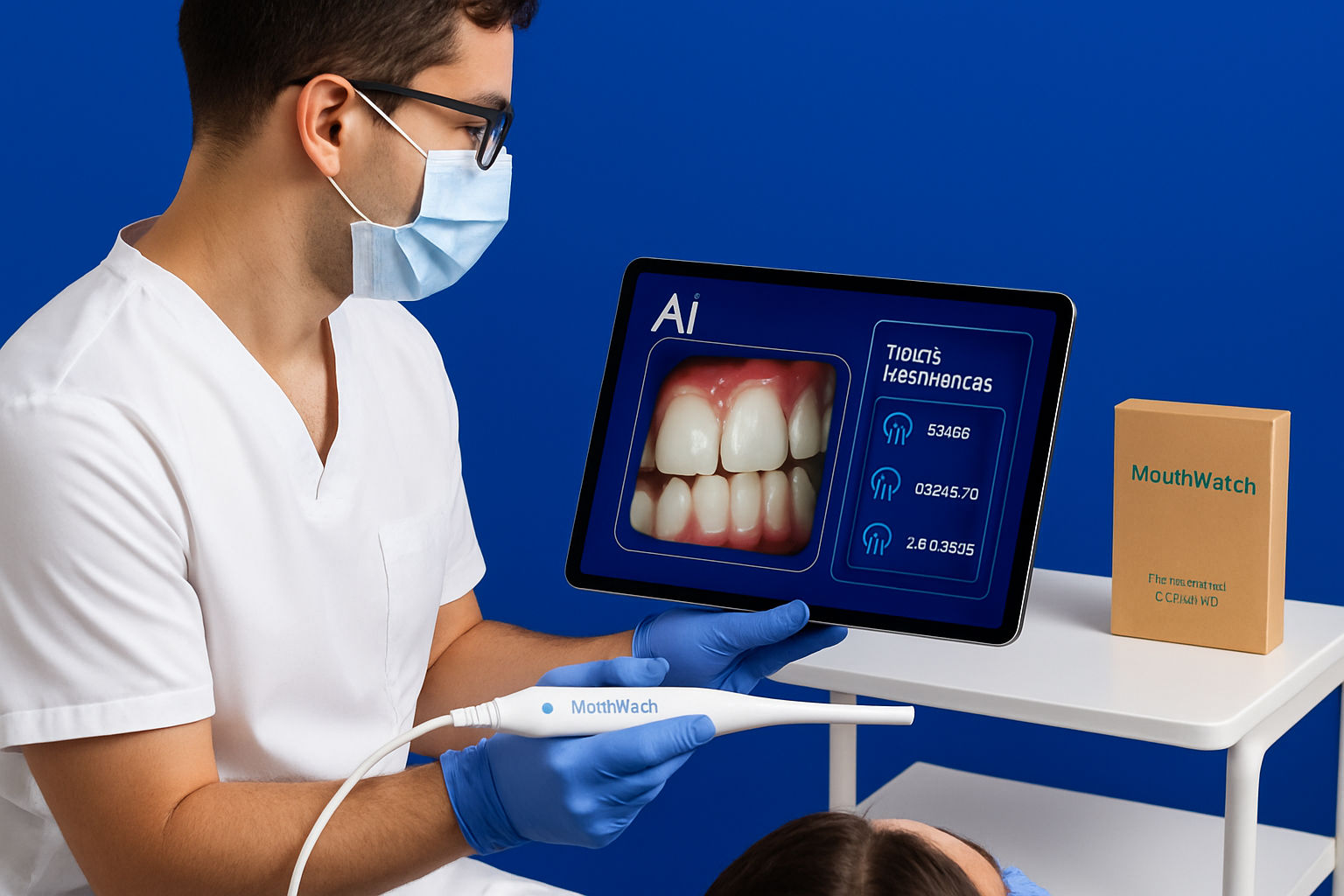
AI-Powered Diagnostics & Image Enhancement
Artificial intelligence is transforming the capabilities of mouthwatch devices. The latest models now offer real-time image analysis, enhancing clarity and automatically flagging potential caries or lesions. This technology not only speeds up chairside diagnosis but also reduces subjectivity, supporting dentists with actionable insights.
Early adopter practices report that AI-driven mouthwatch solutions improve both efficiency and diagnostic confidence. For a deeper dive into this breakthrough, see the Artificial Intelligence in Dental Radiographs Study, which highlights how AI is elevating dental imaging standards.
Seamless Integration: Cloud, Mobile, and Teledentistry
Cloud connectivity and mobile compatibility are now standard with mouthwatch. Dentists can instantly upload images to cloud-based patient records or share them during live teledentistry sessions. This level of integration supports remote consultations, second opinions, and collaborative care, even across different locations.
The expansion of teledentistry features means mouthwatch users can perform real-time remote exams, making quality dental care more accessible to rural or underserved communities. These advancements are redefining what’s possible in virtual dental practice.
Focus on Sustainability and Compliance
Sustainability is a growing priority for dental practices. In 2025, mouthwatch has introduced eco-friendly materials and recyclable packaging, helping reduce the environmental impact of daily operations. These green features resonate with both practitioners and patients who value responsible choices.
Compliance remains top-of-mind as well. Mouthwatch devices are engineered to meet evolving HIPAA and GDPR standards, ensuring that data security and patient privacy are never compromised.
Market and Regulatory Trends for 2025
The dental imaging landscape is rapidly expanding. According to the Intraoral Cameras Market Forecast 2023-2027, demand for advanced intraoral cameras like mouthwatch is being driven by the push for digital transformation and improved patient outcomes.
Regulatory bodies are also updating guidelines for imaging devices, emphasizing quality assurance and interoperability. Dental teams must stay informed to ensure their mouthwatch investments remain compliant and future-ready.
The Future of Chairside Imaging
With all these innovations, the future for mouthwatch is bright. AI-powered diagnostics, seamless digital integration, and sustainable design are pushing chairside imaging into a new era of patient-centric care.
Forward-thinking practices are already leveraging these features to deliver more personalized, efficient, and environmentally conscious dental services. As mouthwatch continues to evolve, it will remain a catalyst for positive change in the dental industry.
Maintenance, Troubleshooting, and Best Practices
Keeping your mouthwatch device in top shape is essential for consistent performance and reliable imaging. Well-maintained equipment not only minimizes disruptions but also helps your dental practice deliver the highest standard of patient care.
Routine Cleaning and Sterilization
To ensure every mouthwatch image is crystal clear and safe for patients, daily cleaning is crucial. Use only manufacturer-approved disinfectants and follow the step-by-step sterilization process. Always remove debris from the lens and handle the device with medical gloves to prevent contamination.
- Wipe the camera with disinfectant after each use
- Avoid harsh chemicals that may damage the lens
- Store the mouthwatch device in a protective case
Regular cleaning helps extend the device's lifespan and maintains optimal image quality for every exam.
Firmware and Software Updates
Staying current with the latest mouthwatch firmware and software unlocks new features, performance enhancements, and security patches. Check for updates monthly using the official platform or your practice management system. Schedule updates outside of patient hours to minimize workflow interruptions.
Troubleshooting Common Issues
If your mouthwatch images appear blurry or the device loses connection, don't panic. Start by checking the USB or wireless connection, cleaning the lens, and verifying software compatibility. Restarting both the camera and computer often resolves minor glitches.
For persistent issues:
- Reinstall the mouthwatch drivers
- Test the device on another workstation
- Contact technical support for advanced troubleshooting
Data Security and Privacy
Your mouthwatch device handles sensitive patient images, so data security is paramount. Ensure all images are stored on encrypted servers and restrict access to authorized personnel only. Regularly update passwords and follow HIPAA guidelines to protect patient confidentiality.
Warranty, Repairs, and Replacement
Most mouthwatch devices come with a standard warranty covering defects and hardware failures. If you encounter issues beyond basic troubleshooting, consult your warranty policy for repair or replacement options. Keep a record of purchase dates and maintenance logs for hassle-free service.
Practice Maintenance Checklist for 2025
| Task | Frequency | Responsible Staff |
|---|---|---|
| Clean and disinfect mouthwatch | After each use | Dental Assistant |
| Check for software updates | Monthly | IT/Office Manager |
| Inspect lens for scratches | Weekly | Hygienist |
| Review data backup protocols | Quarterly | Office Manager |
| Test connectivity and image clarity | Bi-weekly | All Clinical Staff |
Learning from the Community
Join online forums and peer groups to share mouthwatch maintenance tips and troubleshooting solutions. Many practices report that collaborating with others has helped them resolve issues faster and optimize device use.
Preventive Measures for Device Longevity
To get the most out of your mouthwatch investment, handle the device gently and avoid dropping or over-tightening attachments. Regularly review the manufacturer's care guidelines and encourage staff to report any problems early.
Staying proactive with maintenance is more important than ever, as the demand for intraoral cameras continues to rise. According to the Dental Intraoral Cameras Market Size and Trends, dental practices are increasingly relying on high-quality imaging tools like mouthwatch, making proper care a key aspect of operational success.
By following these best practices, your mouthwatch device will deliver reliable performance, clear images, and a longer lifespan—helping your practice maintain its competitive edge and provide outstanding patient care.