Smile design software is revolutionizing the way cosmetic dentistry is practiced, putting advanced visualization and patient collaboration at the heart of every smile transformation. Dental professionals now have powerful digital tools to plan, preview, and personalize treatments with unprecedented accuracy.
This guide covers the latest advancements, expert strategies, and trends shaping smile design solutions for 2026. Whether you want to boost patient satisfaction, streamline workflows, or stay competitive in a fast-evolving market, read on to discover the essentials for success in digital smile design.
Understanding Smile Design Software: Fundamentals & Evolution
Smile design software is redefining what’s possible in modern dentistry. At its core, this technology enables dental professionals to plan, visualize, and communicate aesthetic treatments with a level of accuracy and personalization that manual methods simply can’t match. By leveraging digital tools, clinicians can create beautiful, natural-looking smiles tailored to each patient’s unique facial features.
The journey of smile design software began with manual mock-ups and wax models. Early pioneers, such as Dr. Christian Coachman, played a pivotal role by introducing Digital Smile Design, which shifted the field from analog artistry to advanced computer-aided workflows. Over the last decade, this software has evolved from simple digital overlays to incredibly sophisticated platforms that combine 2D and 3D modeling, artificial intelligence, and seamless patient collaboration.
Today’s smile design software includes several essential components that work together to deliver stunning results:
| Component | Description |
|---|---|
| Digital Imaging | Captures high-resolution photos and scans of teeth and facial features |
| 3D Modeling | Allows virtual manipulation of tooth shape, size, and alignment |
| AI-Driven Analysis | Automates landmark detection and suggests optimal aesthetics |
| Patient Communication | Provides visual previews, interactive consultations, and collaborative tools |
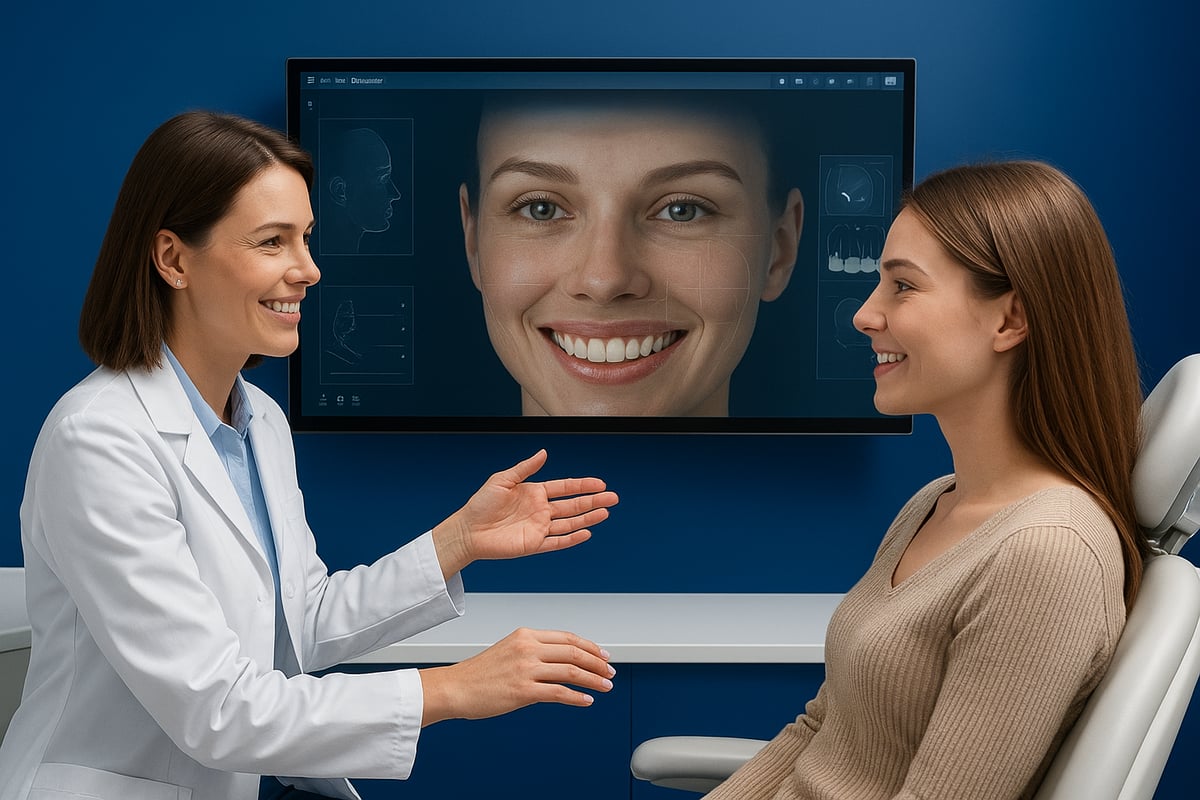
These features not only streamline the workflow but also bridge the communication gap between dentists and patients. With digital previews, patients can see potential outcomes before treatment begins, which increases trust and boosts case acceptance. Facially driven planning ensures each smile is harmonious and natural, taking into account the patient’s lips, gums, and facial proportions.
Integration is another key strength of modern smile design software. Many platforms now connect directly with CAD/CAM systems, intraoral scanners, and digital imaging devices. This interoperability allows clinicians to move effortlessly from digital planning to prosthetic fabrication, reducing errors and saving valuable chair time. For a deeper look at how imaging and AI tools enhance these workflows, see Imaging and Clinical AI Tools.
Market adoption of smile design software is accelerating. According to recent industry reports, a growing percentage of dental clinics worldwide are investing in digital planning tools, with usage rates expected to rise sharply through 2026. Clinics that have embraced these solutions often report significant improvements in patient engagement and treatment acceptance. For example, one multi-location practice saw a 25% increase in case acceptance after incorporating digital previews into their consultations.
Smile design software is no longer a futuristic concept. It has become a practical, proven solution that empowers dental professionals to deliver outstanding results while enhancing the patient experience. As technology continues to evolve, practices that invest in these tools will be well positioned to stay ahead of the curve and meet the rising expectations of their patients.
Key Features & Capabilities to Look for in 2026
Choosing the right smile design software in 2026 means looking for more than just basic tools. With rapid advancements, dental professionals need platforms that combine precision, efficiency, and seamless patient engagement. Let’s break down the essential features shaping the next generation of digital smile design.
High-Resolution Imaging and Seamless Integration
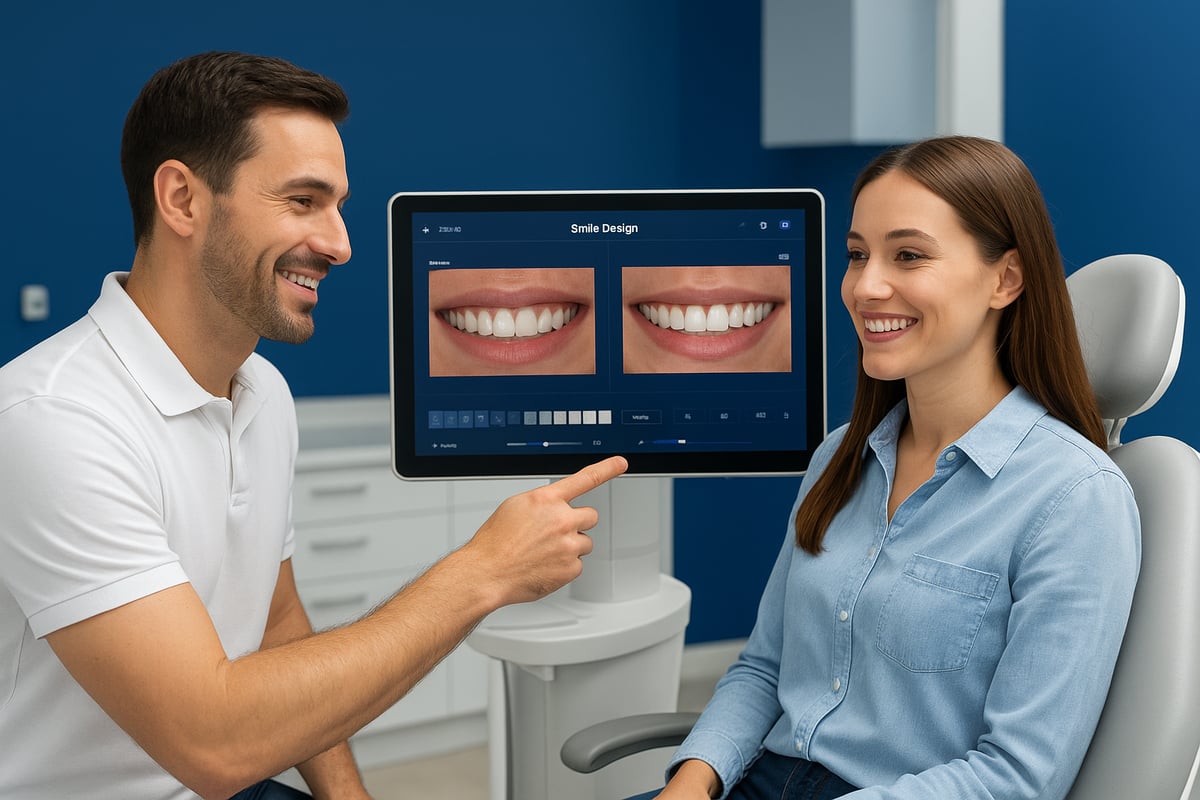
Today’s leading smile design software offers crisp 2D and 3D imaging. These platforms connect effortlessly with intraoral scanners, capturing every detail of the patient’s smile. The result? More accurate assessments and a digital workflow that eliminates manual errors. This integration streamlines the diagnostic phase and ensures that every tooth and facial feature is mapped with incredible precision. In 2026, expect even tighter links between imaging devices and design platforms, making the process smoother from start to finish.
AI-Powered Smile Analysis and Real-Time Visualization
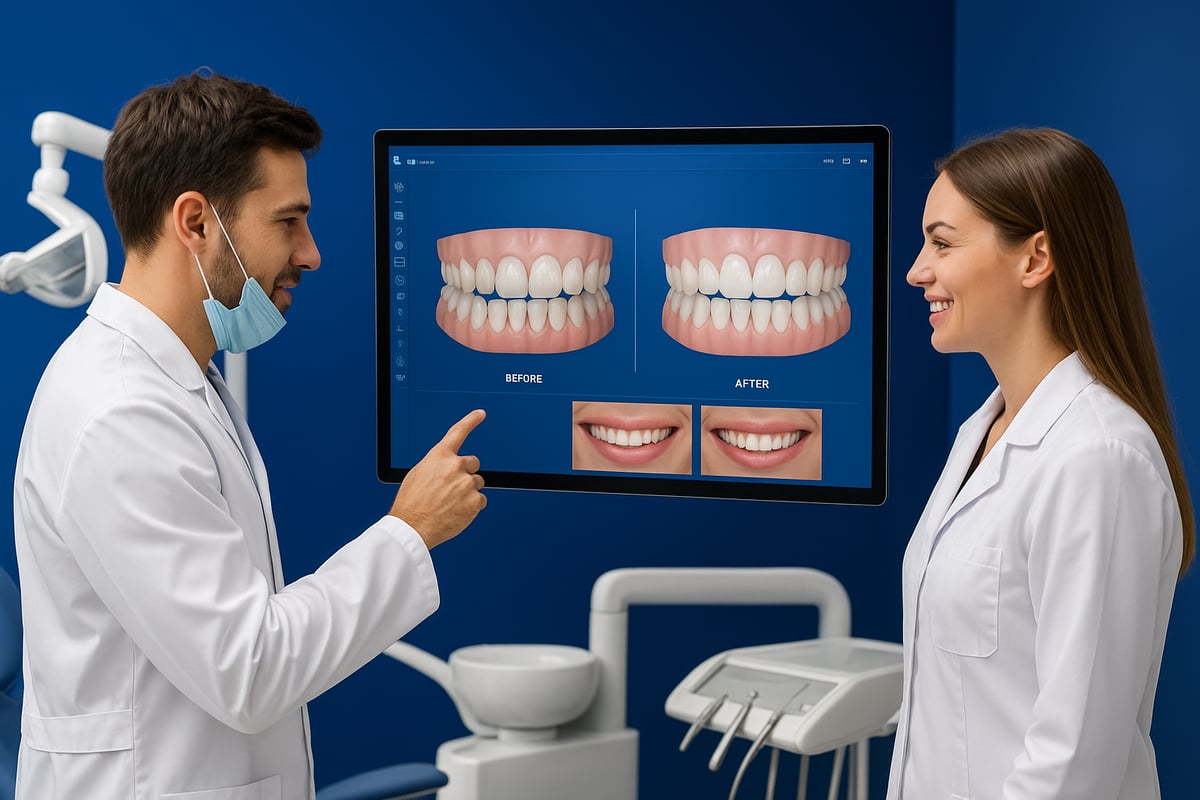
Artificial intelligence now drives many core functions in smile design software. AI algorithms automatically detect facial and dental landmarks, offering instant aesthetic suggestions. This minimizes subjective guesswork and enhances consistency across cases. Real-time simulation tools let patients see before and after images within seconds, boosting engagement and confidence in the treatment plan.
A recent AI-Enhanced Smile Design Study found that these intelligent features not only personalize outcomes but also accelerate the planning process. With AI, clinicians can quickly adjust tooth shape, position, and proportions, matching each patient’s unique facial harmony.
Cloud-Based Collaboration, Customization, and Compatibility
Modern smile design software is built for teamwork. Cloud-based platforms allow dentists, specialists, and labs to collaborate from anywhere. Multi-specialist input becomes easy, whether for complex restorative cases or routine cosmetic upgrades. Practices can use customizable smile libraries and templates, speeding up the design process without sacrificing individuality.
Compatibility with CAD/CAM systems and dental labs ensures a seamless transition from digital planning to physical restorations. Sharing cases, notes, and design files happens instantly, reducing delays and miscommunications.
Data Security, Compliance, and Enhanced Communication
Protecting patient data is non-negotiable. The best smile design software adheres to strict HIPAA and GDPR standards, ensuring sensitive information remains secure. Encrypted cloud storage and robust access controls are standard.
Advanced patient communication tools, such as interactive previews and messaging, keep patients informed and engaged throughout their journey. This transparency builds trust and improves satisfaction rates.
Feature Comparison Table: What to Look for in Smile Design Software
| Key Feature | 2026 Standard | Why It Matters |
|---|---|---|
| High-Res 2D/3D Imaging | Seamless scanner integration | Precision diagnostics, workflow speed |
| AI Smile Analysis | Automated landmark detection | Consistent, personalized designs |
| Real-Time Visualization | Instant before/after previews | Patient engagement, faster decisions |
| Cloud Collaboration | Multi-provider, remote access | Teamwork, lab communication |
| Custom Libraries/Templates | Pre-built and customizable | Efficiency, tailored outcomes |
| CAD/CAM Compatibility | Direct lab integration | Smooth restorative process |
| Data Security/Compliance | HIPAA, GDPR, encryption | Patient trust, legal protection |
Real-World Impact: Faster Planning, Higher Acceptance
Adopting advanced smile design software can transform daily workflows. For example, a multi-location dental group reported a 30% reduction in treatment planning time after switching to AI-driven analysis. With real-time feedback and digital previews, patients felt more confident, leading to higher case acceptance rates and stronger practice growth. Staying ahead means choosing software that delivers both innovation and reliability.
Expert Tips for Implementing Smile Design Software in Your Practice
Successfully implementing smile design software in your practice requires more than just installing a program. It’s about transforming workflows, improving patient experiences, and maximizing your investment. Here are practical tips to guide you every step of the way.
Assessing Practice Needs
Start by evaluating your practice’s unique requirements. Are you a solo provider or part of a multi-location group? Consider your primary services, such as cosmetic dentistry, orthodontics, or restorative work.
Identify your patient demographics and their expectations regarding digital experiences. Understanding these factors helps you select smile design software that aligns with your clinical goals and patient demands.
Choosing the Right Smile Design Software
Selecting smile design software is a critical decision. Look for platforms that offer seamless integration with your existing imaging systems and CAD/CAM equipment.
Key evaluation criteria include:
- User-friendly interface for efficient workflows
- Compatibility with intraoral scanners and lab communication tools
- Strong support and regular software updates
- Data security and regulatory compliance
Don’t fall for flashy features alone. Compare real user experiences and independent reviews. Resources like Dental Software Reviews and Comparisons can help you make an informed choice based on unbiased insights.
Training & Onboarding Your Team
A smooth transition to digital workflows hinges on effective team training. Involve your entire staff, from clinicians to front-desk personnel.
Provide hands-on onboarding sessions and access to vendor tutorials. Encourage ongoing education to keep up with new features and updates in your chosen smile design software.
Promote a culture of digital literacy so everyone can confidently use the tools and troubleshoot minor issues independently.
Enhancing Patient Consultations
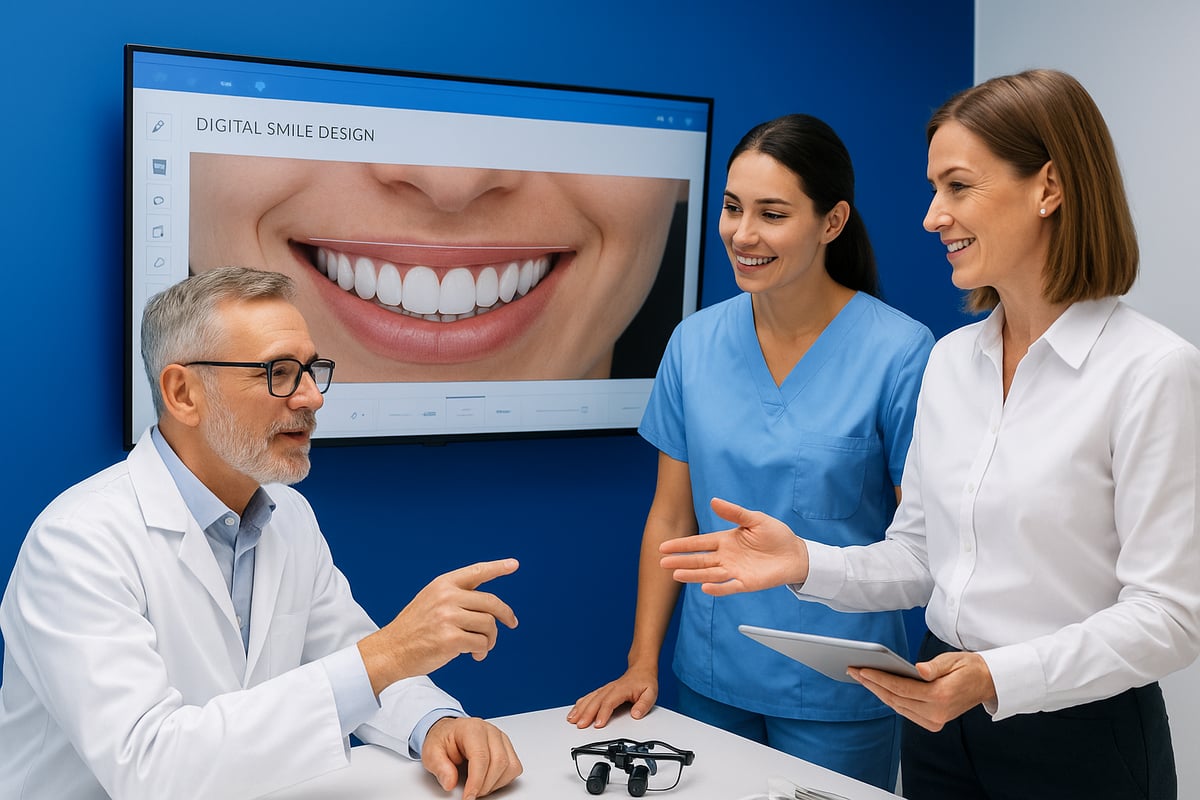
Leverage the visualization capabilities of smile design software to boost patient engagement. Use digital previews to show before-and-after simulations during consultations.
Invite patients to participate in the design process, making adjustments together to ensure satisfaction. This collaborative approach not only improves case acceptance rates but also builds trust and transparency.
Personalized digital experiences can set your practice apart and foster long-term loyalty.
Ensuring Workflow Efficiency & Security
Customize your workflow to fit the unique rhythm of your practice. Integrate smile design software with appointment systems, digital records, and lab communication for seamless case management.
Prioritize data security by following best practices for HIPAA or GDPR compliance. Regularly back up digital records and update your software to protect patient information.
If technical challenges arise, rely on vendor support and peer forums for quick resolutions. Practices that have transitioned from analog to digital often report significant time savings, fewer errors, and measurable ROI within the first year.
Leading Smile Design Software Platforms: 2026 Comparison
Choosing the right smile design software is a pivotal decision for any dental practice in 2026. With so many platforms offering advanced features, seamless integration, and AI-driven insights, the landscape can feel overwhelming. Understanding the unique strengths and differences of each leading solution helps practices make informed investments for better patient care and workflow efficiency.
Top Smile Design Software Platforms
Let’s look at the standout platforms defining the future of smile design software in 2026:
Planmeca Romexis
Planmeca Romexis is known for its comprehensive digital ecosystem. It integrates seamlessly with imaging devices, CAD/CAM workflows, and lab communication, making it a favorite among multi-location and tech-forward practices. The platform offers robust 2D and 3D imaging, facially driven smile planning, and secure cloud collaboration. Users praise its reliable data handling and the ability to coordinate complex restorative cases efficiently.
DSDApp (Digital Smile Design App)
Pioneered by Dr. Christian Coachman, DSDApp focuses on patient engagement and facially driven planning. It simplifies the creation of highly customized, natural-looking smiles. DSDApp's standout feature is its visual communication tools, which allow patients to see and co-design their new smile in real time. Its cloud-based approach supports remote consultations and easy collaboration with specialists.
3Shape Smile Design
3Shape Smile Design is renowned for its intuitive interface and advanced AI-powered smile analysis. The platform automates detection of dental and facial landmarks, streamlining the design process. 3Shape’s integration with intraoral scanners and CAD/CAM systems is seamless, making it ideal for practices seeking efficiency. For a detailed breakdown of features and pricing, see the 3Shape Software Pricing and Features guide.
Other Notable Platforms
- Exocad Smile Creator: Valued for its open architecture, flexibility, and strong CAD/CAM compatibility.
- SmileFy: Focuses on mobile-first design, easy patient previews, and rapid case simulation.
- Carestream Dental CS Solutions: Offers integration with imaging and practice management, with a user-friendly interface.
Feature Comparison Table
Here’s a quick comparison of critical factors for top smile design software platforms:
| Platform | User Interface | AI Capabilities | Integration | Cost Model | Patient Engagement |
|---|---|---|---|---|---|
| Planmeca Romexis | Modern | Moderate | Imaging, CAD/CAM, Labs | Subscription | High |
| DSDApp | Intuitive | Moderate | Cloud, Labs | Subscription | Very High |
| 3Shape Smile Design | Streamlined | Advanced | Scanners, CAD/CAM | Subscription | High |
| Exocad Smile Creator | Flexible | Basic | Open CAD/CAM | Perpetual/Cloud | Moderate |
| SmileFy | Simple | Moderate | Mobile, Cloud | Subscription | High |
Real-World Feedback, Licensing, and Trends
User feedback highlights that seamless integration with existing hardware is a top priority. Many practices report that adopting smile design software has reduced treatment planning time and improved patient satisfaction. Subscription models dominate the market, but some platforms like Exocad still offer perpetual licenses, giving practices more flexibility.
In 2026, notable updates include enhanced AI analysis, improved cloud collaboration, and better mobile interfaces. According to Top Digital Dental Trends for 2026, the growing use of AI and remote patient engagement tools is shaping platform development and user expectations.
Making the Right Choice
When evaluating smile design software, consider your practice’s unique needs, team size, and technology infrastructure. Prioritize platforms with strong integration, intuitive design tools, and robust patient communication features. With the right solution, your practice can deliver more predictable outcomes and elevate the patient experience.
Future Trends & Innovations in Smile Design Software for 2026
The next evolution of smile design software is already taking shape, promising to transform dental practices and patient journeys alike. As we look to 2026, several technology trends are converging to redefine what’s possible in digital dentistry. Staying ahead of these innovations ensures you deliver exceptional care and remain competitive in a rapidly changing market.
AI & Machine Learning: Predictive Power
Artificial intelligence is at the core of the latest smile design software advancements. Modern platforms now use machine learning to analyze vast datasets, offering predictive analytics for treatment outcomes and patient satisfaction. AI algorithms can automatically identify facial and dental landmarks, recommend optimal tooth proportions, and even forecast how a smile will age. This technology means clinicians can personalize treatment plans with greater precision, reducing planning time and increasing accuracy.
AR & VR: Immersive Patient Experiences
Augmented reality and virtual reality are revolutionizing how patients visualize their future smiles. With AR, patients can see real-time overlays of their new smiles during consultations, making the experience interactive and engaging. VR takes this further, allowing patients to immerse themselves in a virtual environment and preview results in 3D. These innovations boost confidence and case acceptance, as discussed in Augmented Reality in Smile Design, where clinics report higher satisfaction due to enhanced visualization.
Mobile-First Design & Teledentistry
Smile design software is becoming increasingly mobile-centric. Patients can now review, approve, and collaborate on designs from their smartphones or tablets, no matter where they are. This mobile-first approach, combined with teledentistry, enables virtual consultations and remote treatment planning. As a result, practices can reach more patients and streamline workflows, increasing efficiency and convenience for both providers and patients.
Personalization & Big Data
Personalization is another major trend shaping smile design software. By leveraging big data, platforms can deliver hyper-customized aesthetics tailored to each individual’s facial features, age, and preferences. This data-driven approach means treatment plans are not just clinically sound but also aligned with patient desires, leading to more natural and harmonious results.
Interoperability & Open APIs
The future of smile design software lies in seamless integration with the broader digital dental ecosystem. Open APIs enable platforms to connect with practice management systems, imaging devices, and dental labs. This interoperability ensures data flows smoothly between tools, reducing manual entry and potential errors. Practices benefit from a unified workflow, saving time and enhancing collaboration among providers.
Data Security & Compliance
As digital workflows expand, safeguarding patient information becomes paramount. Top smile design software for 2026 will prioritize robust data security, encryption, and compliance with regulations like HIPAA and GDPR. Practices need to ensure that digital records are protected from breaches, maintaining trust and meeting legal obligations.
Real-World Impact & Market Growth
Early adopters of advanced smile design software are already seeing measurable benefits. Clinics report faster case acceptance, improved workflow efficiency, and higher patient satisfaction. According to the Digital Smile Design Software Market Report 2025, adoption rates are projected to rise significantly, with the global market expected to grow year over year as more practices embrace digital transformation.
The future is bright for smile design software. By adopting these innovations, dental professionals can deliver more predictable, efficient, and personalized care, setting the stage for a new era in cosmetic dentistry.