Dental technology is advancing at lightning speed, making it harder than ever for practices to keep up with patient demands using outdated methods. Many dental teams still struggle with paper charts and inefficient workflows, leading to lost time and costly errors.
That is why dental emr systems have become essential for modern practices. With digital tools now at the core of dental care, choosing the right EMR can transform operations, boost patient satisfaction, and ensure compliance with strict regulations.
This guide will help you understand what dental EMR systems are, explore their core features, and see how they outperform traditional record-keeping. You will also find expert tips on selecting a system, a comparison of top solutions, practical steps for implementation, and a glimpse into future trends.
Ready to leave inefficiency behind? Use this comprehensive roadmap to confidently navigate dental emr systems and future-proof your practice.
Understanding Dental EMR Systems: Definition, Core Features, and Benefits
Dental practices have transformed rapidly in recent years, and digital solutions now sit at the heart of modern patient care. At the core of this digital shift are dental emr systems, which provide a structured way for practices to manage patient information, treatment workflows, and communications.
These systems have replaced paper charts, sticky notes, and manual filing cabinets, making it easier for dental teams to deliver efficient, compliant, and high-quality care. To understand why dental emr systems are indispensable in 2026, let's break down what they are, their essential features, and how they outperform traditional record-keeping.

What Is a Dental EMR System?
A dental emr system is a specialized electronic medical record platform designed specifically for dental practices. Unlike general EHRs, which serve a wide range of healthcare providers, dental emr systems focus on the unique needs of dentistry, including detailed tooth charts, dental imaging, and specialized treatment plans.
These platforms digitize everything from patient histories to treatment notes, allowing for seamless management of clinical and administrative tasks. The shift from paper to digital has been accelerated by new regulations, patient expectations for speed and transparency, and the growing complexity of dental care.
In 2026, dental emr systems have become essential tools. They provide a single source of truth for patient data, streamline communication among staff, and support better decision-making. As practices face increasing demands for efficiency and compliance, adopting a dental emr system is no longer optional—it is a necessity for staying relevant and competitive.
Core Features of Modern Dental EMR Systems
Modern dental emr systems come packed with features tailored to streamline every aspect of a dental office. Here are some of the most critical capabilities:
- Digital Patient Charts: Store demographics, medical and dental histories, exam notes, and treatment plans in one place.
- Clinical Documentation: Use progress notes, electronic consent forms, and customizable templates to save time and reduce errors.
- Imaging Integration: Instantly access X-rays, 3D scans, and intraoral photos directly within the patient record.
- E-Prescribing: Manage medications and check for drug interactions electronically.
- Scheduling Tools: Streamline appointment booking, reminders, and recall systems for better patient retention.
- Billing and Insurance: Submit electronic claims, track payments, and generate financial reports with minimal manual effort.
- Patient Portals: Offer secure online communication, access to forms, and educational materials for patients.
- Data Analytics: Monitor clinical outcomes and business performance with real-time metrics.
With these features, dental emr systems help practices operate more smoothly, reduce paperwork, and improve the patient experience.
Advantages Over Traditional Record-Keeping
Switching from paper charts to dental emr systems brings several advantages that directly impact productivity and patient care:
- Accessibility: Providers and staff can access records instantly from anywhere, eliminating time wasted searching for files.
- Legibility: Typed records remove the risk of misreading handwritten notes, which can lead to clinical mistakes.
- Security: Advanced encryption, user access controls, and compliance with regulations like HIPAA protect sensitive information.
- Efficiency: Automation reduces time spent on data entry, scheduling, billing, and reporting.
- Collaboration: Digital records make it easier to share information with specialists and care teams.
- Data-Driven Decisions: Built-in analytics help practices identify trends, improve quality, and grow the business.
For example, retrieving a paper chart might take several minutes, while digital access is nearly instant. According to Dental EMR adoption statistics, over 70% of dental practices now use dental emr systems, underscoring their widespread benefits and the industry’s shift toward digital excellence.
Key Considerations When Selecting a Dental EMR System in 2026
Choosing the right dental emr systems in 2026 is a pivotal decision for any dental practice. With technology evolving quickly, knowing what to look for ensures your investment pays off in efficiency, compliance, and patient care.
Assessing Practice Needs and Goals
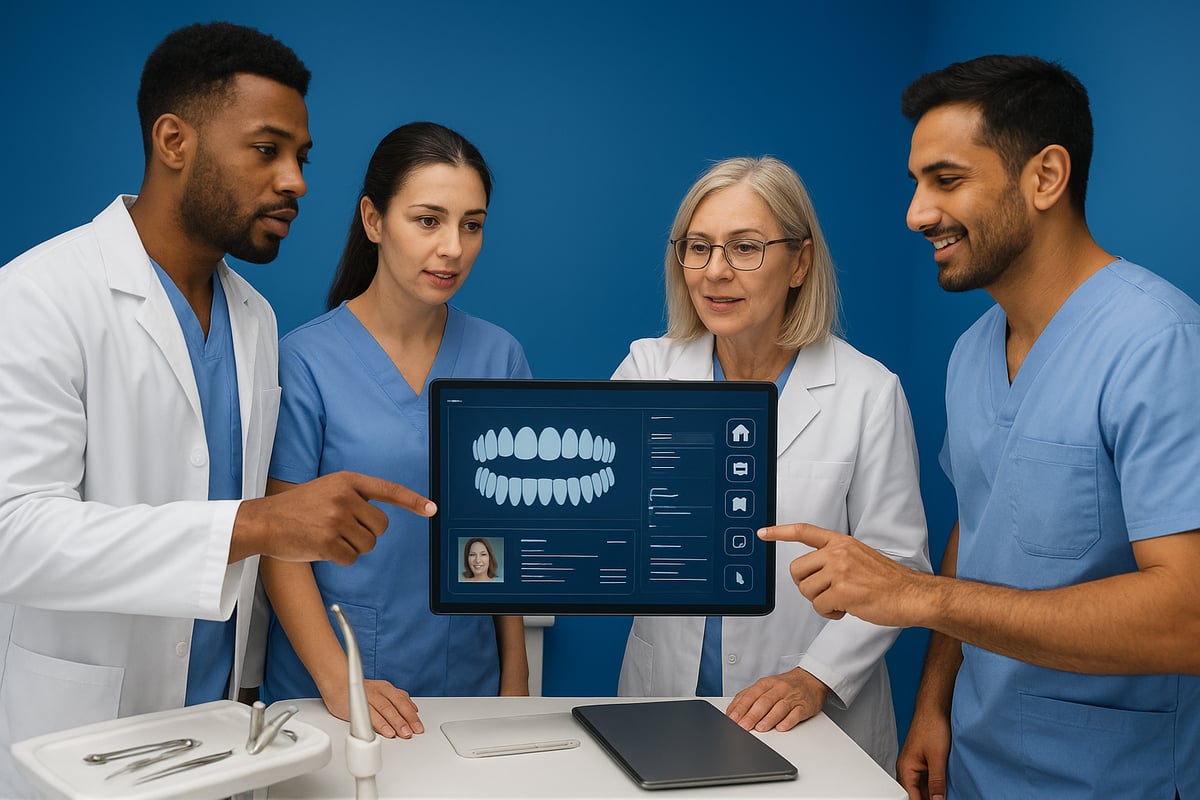
Every dental practice is unique, so start by identifying your core requirements. Assess your practice size, whether you’re a solo provider or manage a multi-location group. Consider the specialties you offer, such as orthodontics, periodontics, or general dentistry.
Think about your workflow complexity and current pain points. Are billing errors a common headache? Do missed appointments or data silos slow you down? Make a clear list of must-have features versus nice-to-have add-ons.
For instance, smaller practices may value ease of use and quick setup, while larger organizations might need robust integrations and analytics. To compare options effectively, leverage resources like the Dental software reviews hub, which aggregates unbiased insights on leading dental emr systems.
Evaluating Usability and User Experience
A dental emr systems platform should make daily tasks easier, not harder. Prioritize software with intuitive interfaces that work for both clinical and administrative staff. Look for customization options—can you tailor templates, charting styles, and workflows to fit your team’s habits?
Mobile access is now essential, allowing providers to review records or schedules from any device. Decide whether a cloud-based or on-premise solution aligns with your IT setup and security needs. Many practices report reduced training time and higher satisfaction with user-friendly dental emr systems, so be sure to demo software before committing.
Integration and Compatibility
Seamless integration is crucial for maximizing the benefits of dental emr systems. Ensure the platform you choose connects smoothly with imaging devices, billing software, and laboratory systems. Open APIs and strong third-party app support make future upgrades easier.
For example, practices that integrate digital imaging with their dental emr systems often experience faster diagnosis and treatment planning. Confirm that the system supports your existing hardware and software, minimizing disruption during the transition.
Security, Compliance, and Data Privacy
With cyber threats and data breaches on the rise, security is a top priority for dental emr systems. Make sure any solution you consider is fully HIPAA-compliant and meets regional data protection regulations. Look for advanced encryption, multi-factor authentication, and detailed audit trails.
Assess the vendor’s reputation for timely updates and rapid breach response. According to industry data, healthcare data breaches increased by 25% in 2025, so robust security protocols are non-negotiable for dental emr systems today.
Total Cost of Ownership
Beyond upfront costs like licensing, hardware, and implementation, factor in ongoing expenses for support, upgrades, and staff training. Calculate the return on investment by considering efficiency gains, fewer billing errors, and improved revenue cycles.
For example, many practices see a 15% reduction in administrative costs after adopting dental emr systems. Make sure you understand the full pricing model, including any hidden fees, and ask about contract flexibility. Weigh the long-term value against the initial investment to make a sustainable choice.
Common Challenges and Solutions in Dental EMR Adoption
Adopting dental emr systems is a transformative step, but the path is not without obstacles. Understanding these common challenges—and how to solve them—can help your practice transition smoothly and maximize your investment.

Overcoming Implementation Barriers
Adopting dental emr systems often means facing upfront costs, workflow changes, and staff hesitation. Practices worry about budgeting for new technology and managing disruptions to daily routines. Common hurdles include:
- Initial investment and budget planning
- Staff resistance to change
- Data migration from paper or legacy software
To overcome these barriers, consider phased rollouts or pilot programs. Involve key stakeholders early to build buy-in. For a deeper dive into these challenges and practical solutions, see this Challenges in EHR implementation resource. With careful planning and communication, your team can tackle the transition confidently.
Training and Support for Dental Teams
Training is essential for dental emr systems adoption. Comprehensive onboarding and role-specific instruction help staff feel capable and reduce errors. Effective strategies include:
- Live webinars and hands-on tutorials
- Vendor support lines and on-demand resources
- Ongoing refresher training sessions
Practices that invest in continuous education report higher satisfaction and smoother workflows. In fact, ongoing training can boost user satisfaction by 30 percent. Make learning a priority to empower your team and keep everyone up to speed as features evolve.
Ensuring Data Security and Business Continuity
Security is a top concern for dental emr systems. Threats like ransomware or phishing can disrupt operations and compromise patient data. Safeguard your practice by:
- Implementing regular data backups
- Creating disaster recovery and incident response plans
- Providing staff with cybersecurity training
Annual security audits help identify vulnerabilities, and practices that conduct them see 50 percent fewer incidents. Prioritize data privacy and business continuity to meet compliance standards and protect your reputation.
Measuring Success and Continuous Improvement
Tracking progress is crucial when using dental emr systems. Define key performance indicators (KPIs) to measure outcomes, such as:
- Claims processing time
- Appointment no-show rates
- Patient satisfaction scores
Use built-in analytics to refine workflows and target areas for growth. For example, one dental group improved recall rates by 20 percent after analyzing EMR data. Regular reviews and optimization ensure your investment delivers lasting value.
Leading Dental EMR Systems for 2026: Comparative Overview
Choosing the right dental emr systems can make or break your practice’s efficiency and patient satisfaction in 2026. With so many options available, it’s crucial to know how to evaluate and compare these solutions. In this section, we’ll explain what to look for, provide a side-by-side comparison of leading dental emr systems, and introduce a trusted resource for unbiased software reviews.
Criteria for Evaluating Top Solutions
When assessing dental emr systems, several criteria can help you separate the best from the rest. Begin by reviewing the feature set. Look for essentials like digital charting, imaging integration, e-prescribing, and patient portals. Scalability matters too, especially if you plan to grow or add providers.
Consider specialty focus. Some dental emr systems are designed for general practices, while others cater to orthodontics, periodontics, or multi-specialty groups. Integration capabilities are key as well. Seamless connections with imaging devices, billing software, and labs will streamline your daily workflow.
Check user reviews and industry awards for real-world performance. Support quality is another make-or-break factor—fast, knowledgeable help can save the day during critical moments. Finally, seek pricing transparency and flexible contracts to avoid costly surprises down the road.
In-Depth Comparison of Top Dental EMR Systems
Let’s break down the leading dental emr systems for 2026, highlighting their strengths, specialties, and what real users are saying. Use the table below for a quick overview, then read on for more details.
| System | Key Strengths | Unique Features | Ideal Practice Types | Pricing |
|---|---|---|---|---|
| Dentrix | Comprehensive, robust | Imaging, strong reporting, automation | Mid-large, multi-location | Tiered, custom |
| Eaglesoft | User-friendly, mobile | Integrated imaging, analytics | Multi-provider, general | Subscription |
| Open Dental | Open-source, flexible | Broad integrations, customizable | All sizes, cost-focused | Affordable |
| Curve Hero | Cloud-based, intuitive | Teledentistry, mobile, easy onboarding | Multi-location, remote | Subscription |
| Dovetail | Modern, analytics | Sleek UI, cloud, strong data insights | Growing, tech-forward | Transparent |
| Practice-Web | Web-based, customizable | E-prescribing, templates, reporting | General, solo/group | Value-based |
Dentrix by Henry Schein:
Dentrix is a powerhouse among dental emr systems, offering a comprehensive suite for mid-to-large practices. Its strengths include deep imaging integration, advanced reporting, and powerful automation tools. Users highlight its ability to centralize operations across multiple locations. The solution is highly scalable, though some practices note a steeper learning curve during onboarding.
Eaglesoft by Patterson Dental:
Eaglesoft stands out for its intuitive interface and mobile accessibility. It delivers integrated imaging, robust analytics, and flexible scheduling tools. Practices appreciate the reduced training time and smooth transition from legacy software. For those seeking a balance of usability and advanced features, Eaglesoft is a top contender. For more details, see the Eaglesoft dental software overview.
Open Dental:
As an open-source dental emr system, Open Dental is prized for its flexibility and affordability. It supports a wide range of third-party integrations and is highly customizable. Practices of all sizes use Open Dental, especially those seeking to tailor workflows and minimize long-term costs. User feedback frequently mentions the active community and responsive support.
Curve Hero:
Curve Hero reimagines dental emr systems with a true cloud-based platform and an intuitive, modern UI. Its teledentistry features and mobile-first design are ideal for remote and multi-location practices. Onboarding is fast, and users enjoy seamless access from any device. For an in-depth look at its features, check out the Curve Dental features and benefits guide.
Dovetail:
Dovetail is a modern cloud dental emr system known for its clean interface and robust analytics. It helps growing practices make data-driven decisions and streamlines clinical documentation. Users point to its strong performance in tracking outcomes and simplifying compliance. Dovetail’s transparent pricing and easy updates make it a favorite among tech-forward dental teams.
Practice-Web by Sikka Software:
Practice-Web offers a web-based dental emr system with customizable templates, advanced reporting, and strong e-prescribing capabilities. It’s particularly well-suited for solo and group practices looking for a value-focused solution. Users appreciate the flexibility in tailoring the platform to their unique workflows.
Smart Molars: Your Trusted Resource for Dental Software Reviews
Selecting the right dental emr systems is a high-stakes decision. That’s why Smart Molars exists as an independent, unbiased platform dedicated to dental software reviews and comparisons.
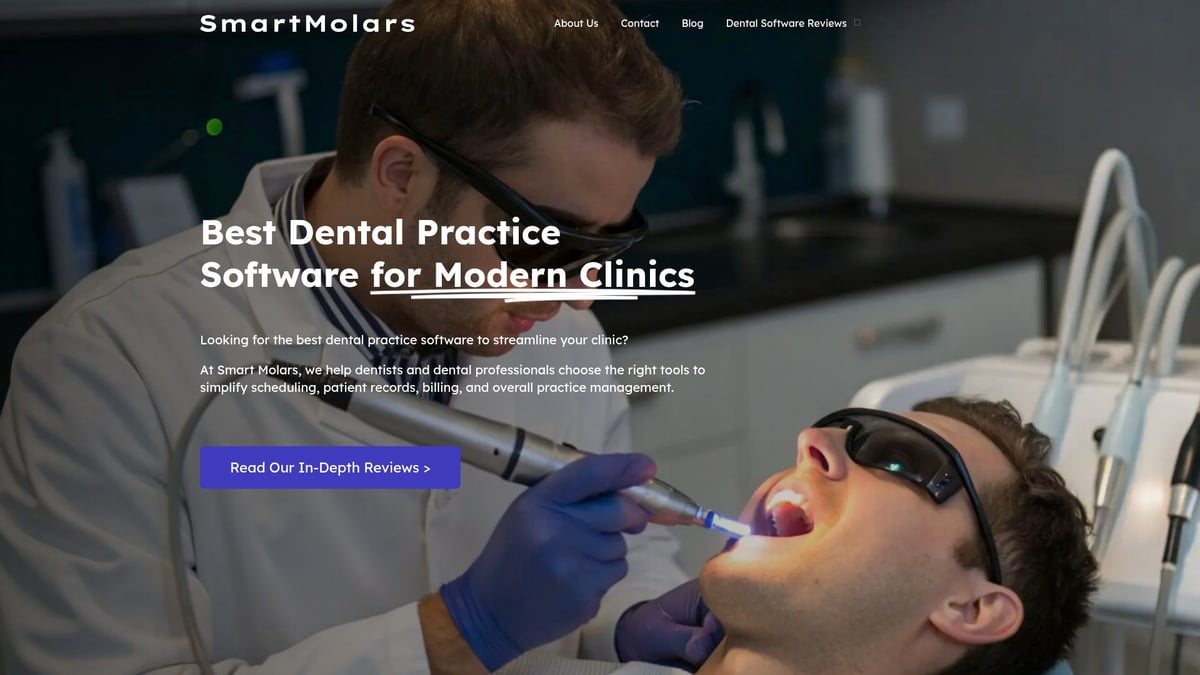
Smart Molars delivers in-depth analyses, side-by-side comparisons, and real user feedback for all leading dental emr systems. This resource saves you time, boosts your confidence, and helps ensure you choose the best-fit software for your practice’s needs.
All resources are freely accessible, updated regularly, and tailored specifically to dental professionals. Whether you’re just starting your search or ready to decide, Smart Molars is your go-to guide for navigating the world of dental emr systems.
Step-by-Step Guide to Implementing a Dental EMR System
Transitioning to dental emr systems is a journey that requires clear planning, teamwork, and the right resources. Below is a step-by-step guide to help your dental practice successfully implement dental emr systems, minimize disruption, and maximize the benefits of digital transformation.
Step 1: Needs Assessment and Vendor Selection
Start by forming a project team that represents clinical, administrative, and IT staff. Evaluate your current workflows, pinpoint bottlenecks, and list the must-have features for your new dental emr systems. Consider practice size, specialties, and whether you need cloud or on-premise solutions.
Research vendors using side-by-side comparison tools and independent review platforms. For a deep dive into one leading option, check out the Open Dental software guide for features and real-world implementation tips. Schedule product demos and request trial access to ensure the systems meet your needs.
Step 2: Planning and Data Migration
Develop a structured implementation timeline with clear milestones. Prepare your team for data migration by digitizing paper records and cleaning up existing digital files. Verify that all necessary information, such as patient histories and billing data, is accurate and up to date before importing into your dental emr systems.
Address legacy system integration early, and create backup plans to prevent data loss. Assign roles for data transfer, testing, and verification to streamline the process and avoid unnecessary delays.
Step 3: Training and Go-Live Preparation
Effective adoption of dental emr systems depends on thorough training. Organize comprehensive training sessions tailored to each staff role. Provide access to user manuals, video tutorials, and practice scenarios to build confidence and minimize errors.
Set up user permissions and test workflows to ensure everyone understands their responsibilities. Pilot the system with a small team or single department, collecting feedback to address any issues before the full rollout.
Step 4: Go-Live and Immediate Support
When launching dental emr systems practice-wide, keep vendor support readily available to resolve issues quickly. Monitor system performance, gather staff feedback, and communicate any changes in workflow to your team.
Inform patients about new digital tools and portals, highlighting benefits like online forms and secure messaging. Quick response to questions and proactive troubleshooting will help maintain momentum and morale during this critical phase.
Step 5: Post-Implementation Review and Optimization
After go-live, review key performance indicators such as efficiency, billing accuracy, and patient satisfaction. Use insights from your dental emr systems' analytics to identify workflow improvements and schedule periodic follow-up training.
Maintain regular contact with your vendor for software updates and new features. Continuous optimization ensures your investment delivers lasting value, supporting both quality care and practice growth.
Future Trends in Dental EMR Systems: What to Expect Beyond 2026
The landscape of dental emr systems is evolving rapidly. As we look to the future, several groundbreaking trends are poised to reshape how dental professionals deliver care, interact with patients, and manage data. Staying informed about these trends will help practices remain competitive and compliant in a digital-first world.
Artificial Intelligence and Predictive Analytics
Artificial intelligence is transforming dental emr systems by enhancing diagnostic accuracy, streamlining workflows, and supporting clinical decision-making. AI-driven imaging tools now assist dentists in detecting caries, periodontal disease, and other oral conditions with impressive accuracy, often exceeding 90%. For instance, AI in dental radiography demonstrates the capability of AI to analyze panoramic radiographs, helping providers identify subtle findings more efficiently.
Predictive analytics is also gaining traction, enabling practices to forecast patient recall needs, optimize scheduling, and anticipate revenue trends. As a result, dental professionals can make more proactive, data-driven decisions that benefit both clinical outcomes and business growth.
Enhanced Patient Engagement and Teledentistry
Patient expectations for convenience and digital access are driving major changes in dental emr systems. Integrated teledentistry modules now allow practices to offer virtual consultations, follow-ups, and remote triage, extending care beyond the traditional office visit. More than 60% of dental practices in 2026 have adopted some form of teledentistry, reflecting the growing demand for flexible care options.
Patient portals and mobile apps empower individuals to manage appointments, access educational resources, and communicate securely with their providers. According to Dental software market growth, these innovations are fueling the rapid expansion of digital solutions across the dental industry.
Interoperability and Data Exchange
Seamless data sharing is becoming a cornerstone of modern dental emr systems. Practices are moving toward interoperability, allowing dental, medical, and specialist providers to exchange patient information effortlessly. Adoption of standardized data formats and open APIs is making it easier for systems to connect, reducing data silos and improving care coordination.
Regional health information exchanges now include dental data, enabling a more holistic approach to patient health. This connectivity not only streamlines referrals and consultations but also ensures that all providers have access to the most up-to-date information.
Regulatory and Security Developments
As dental emr systems handle increasingly sensitive patient data, regulatory scrutiny and security requirements are intensifying. Stricter data privacy laws are being introduced globally, demanding greater transparency and patient consent for data usage. Practices must now implement robust encryption, multi-factor authentication, and continuous monitoring to safeguard information.
The focus on cybersecurity is also growing, with new protocols and best practices emerging to combat evolving threats. Dental practices are expected to stay informed about regulatory changes and invest in ongoing staff training to maintain compliance and protect patient trust.